Trekking in Pakistan: Best Treks, Routes & Tours
Explore the best trekking in Pakistan, from legendary K2 Base Camp and Nanga Parbat treks to remote Hindukush trekking routes in Yasin, Ishkoman, Ghizer and Chitral. Discover high-altitude trekking tours across the Karakoram, Himalaya and Hindukush, with routes ranging from scenic valley hikes to challenging multi-day mountain expeditions. Find your ideal Pakistan trekking tour and explore some of the country’s most spectacular and off-the-beaten-path mountain landscapes with Trips Nomad Adventure.
| No. | Trekking Programme | Range | Days | Highest Pass | Booking |
|---|---|---|---|---|---|
| 01 | Thui Pass – Yasin to Yarkhun | Hindukush | 14 | 4,999 m | Book Now |
| 02 | Attar & Ghamubar – Ishkoman to Yasin | Hindukush | 12 | 4,700 m | Book Now |
| 03 | Assumbar & Thui Pass – Ishkoman to Chitral | Hindukush | 16 | 4,999 m | Book Now |
| 04 | Darmandir, Makuli & Polish Pass | Hindukush | 14 | 4,700 m | Book Now |
| 05 | Assumbar Pass – Ishkoman to Yasin | Hindukush | 14 | 4,400 m | Book Now |
| 06 | Ghamubar Pass – Darkot to Thui | Hindukush | 8 | 4,300 m | Book Now |
| 07 | K2 Base Camp & Gondogoro La Trek | Karakoram | 21 | 5,600 m | Book Now |
| 08 | Patundas Trek – Upper Hunza Valley | Karakoram | 10 | 4,100 m | Book Now |
| 09 | Attar Pass – Yasin to Darkot to Ghotolti Ishkoman | Hindukush | 8 | 4,700 m | Book Now |
| 10 | Naltar Pakhora & Attar Pass – Yasin | Hindukush/Karakoram | 14 | 4,700 m | Book Now |
Why Choose Pakistan for Trekking?
Pakistan is one of the world’s most spectacular destinations for mountain trekking. Located at the meeting point of the Karakoram, Himalaya and Hindukush mountain ranges, northern Pakistan offers an extraordinary variety of landscapes, from enormous glaciers and snow-covered peaks to alpine lakes, green meadows and remote mountain valleys.
For international trekkers, Pakistan offers much more than famous mountain destinations. It is a place where adventure meets traditional mountain culture. You can walk through centuries-old villages, meet local communities, cross high mountain passes and camp beneath some of the world’s most impressive peaks.
Unlike many heavily commercialised trekking destinations, several regions of Pakistan remain relatively unexplored. In particular, the Hindukush Mountains around Yasin, Ishkoman, Ghizer and Chitral offer opportunities to discover remote trails and traditional communities away from the busiest trekking routes.
At Trips Nomad Adventure, we specialise in exploring these mountain regions and organising trekking journeys that combine natural beauty, cultural experiences and responsible local tourism.
The Three Major Mountain Ranges for Trekking in Pakistan
Pakistan’s northern mountains offer three major trekking regions. Each has its own character, landscapes and level of adventure.
1. Karakoram Range: Legendary Peaks and Massive Glaciers
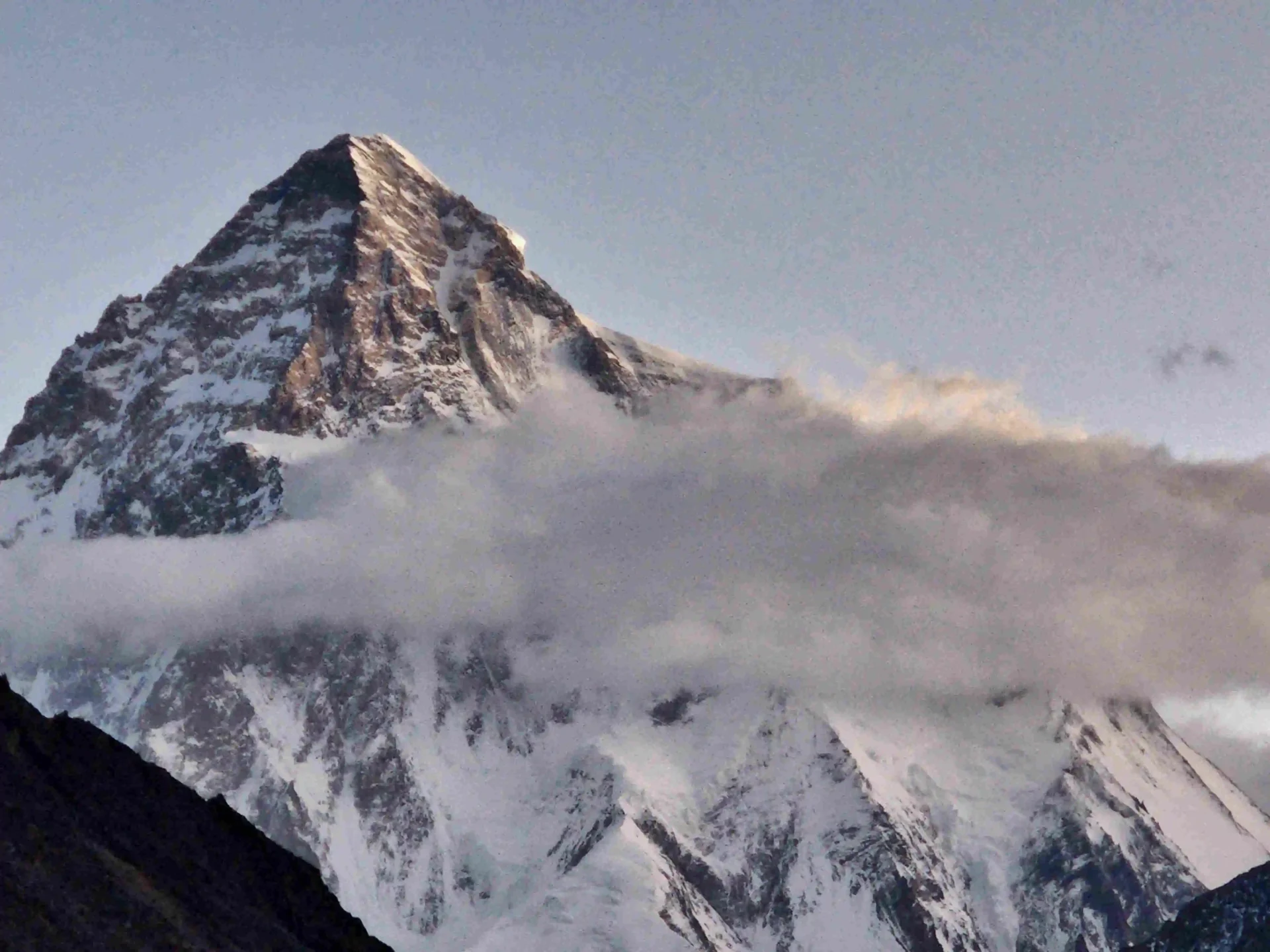
The Karakoram is home to some of the world’s highest mountains, including K2 (8,611 m), the second-highest mountain on Earth. It is one of the most spectacular regions for high-altitude trekking and glacier expeditions.
The region features enormous glaciers, dramatic granite towers, remote campsites and breathtaking mountain scenery.
Some of the most popular trekking routes include:
K2 Base Camp and Gondogoro La Trek
One of the most famous trekking expeditions in the world, the K2 Base Camp Trek follows the Baltoro Glacier towards Concordia, where several magnificent mountain peaks meet. The route offers extraordinary views of K2, Broad Peak and the Gasherbrum group.
Trekkers with suitable experience and preparation can include the Gondogoro La crossing for an even more challenging mountain journey.
Snow Lake and Biafo Hispar Glacier Trek
This remote expedition crosses an immense glacial landscape connecting the Biafo and Hispar glacier systems. It is an excellent choice for experienced trekkers seeking wilderness, glacier travel and extended mountain exploration.
Rush Lake Trek
Located in the Nagar region, Rush Lake offers spectacular views of surrounding Karakoram peaks. The route passes through mountain villages, alpine pastures and high-altitude landscapes.
Batura and Patundas Treks
The Upper Hunza region offers beautiful trekking opportunities around Batura Glacier and Patundas. These routes combine glacier scenery, green summer pastures and traditional Wakhi settlements.
2. Himalaya Range: Dramatic Mountains and Beautiful Alpine Meadows
The Himalayan region of Pakistan is known for its dramatic mountain scenery, forests, alpine meadows and impressive views of Nanga Parbat (8,126 m), the ninth-highest mountain in the world.
It offers a variety of trekking experiences, from relatively accessible mountain walks to demanding high-altitude expeditions.
Fairy Meadows and Nanga Parbat Base Camp Trek
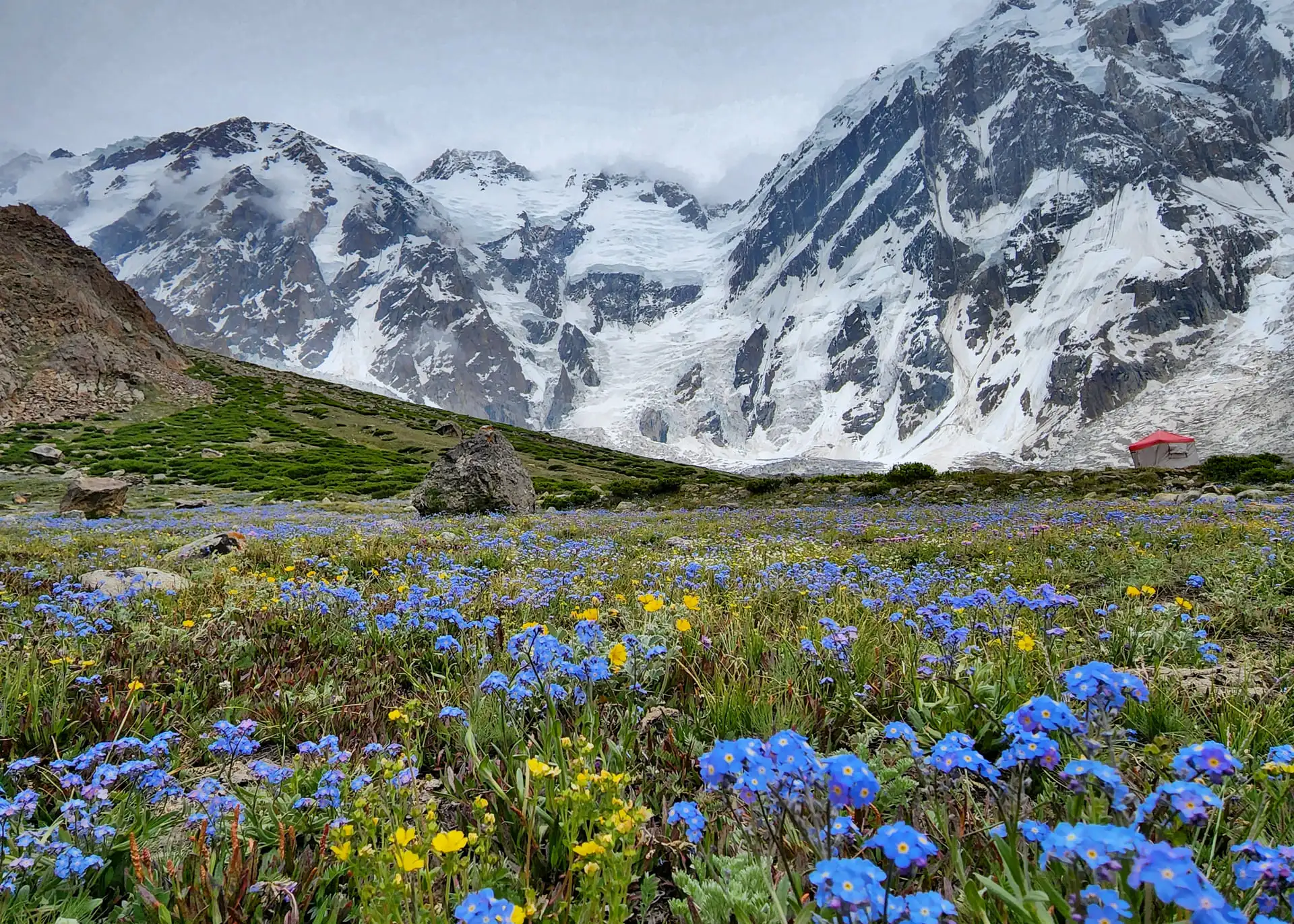
Fairy Meadows is one of Pakistan’s most beautiful mountain destinations. Located beneath the massive north face of Nanga Parbat, it offers spectacular views, peaceful camping locations and opportunities for further trekking towards the mountain’s base camp.
Nanga Parbat Rupal Face Trek
The Rupal Face provides another remarkable perspective of Nanga Parbat. The route explores the mountain’s dramatic southern side and offers an adventurous experience for trekkers interested in remote Himalayan landscapes.
Rama Lake and Astore Valley
Astore Valley provides access to beautiful mountain scenery, forests, lakes and alpine pastures. Rama Lake is a popular destination for visitors looking for shorter hikes and natural landscapes.
3. Hindukush Range: Explore Pakistan’s Untapped Mountains
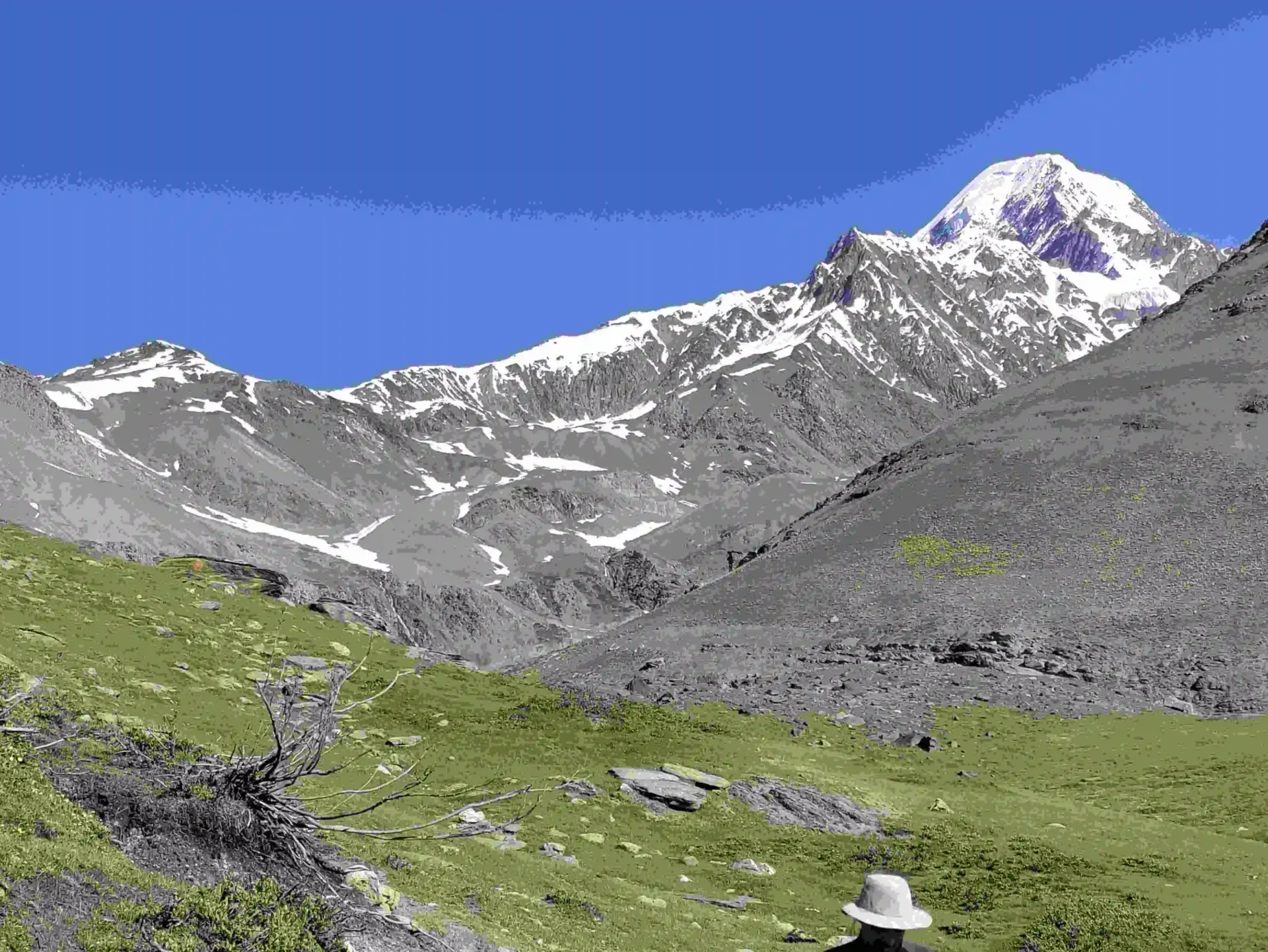
The Hindukush is one of the most fascinating mountain regions in northern Pakistan. Stretching across Chitral, Ghizer and neighbouring areas, it offers a remarkable combination of high mountain passes, glaciers, traditional villages and relatively unexplored trekking routes.
Unlike some of the more famous trekking destinations, many Hindukush routes remain quiet and remote. Trekkers can experience mountain life, local hospitality and landscapes that are still unfamiliar to many international visitors.
For Trips Nomad Adventure, the Hindukush is not simply another trekking destination. It is a region we know through years of exploration, guiding and close connections with local mountain communities.
Our main exploration areas include Yasin Valley, Ishkoman Valley, Darkot, Phander and the remote valleys towards Chitral.
Thui Pass Trek: Yasin to Yarkhun Valley
Thui Pass connects Yasin Valley with Yarkhun Valley in the Hindukush. The journey crosses spectacular mountain terrain, glaciers and high-altitude landscapes, providing a rewarding experience for adventurous trekkers.
Assumbar Pass Trek: Ishkoman to Yasin
Assumbar Pass connects Ishkoman and Yasin valleys. The route passes through green meadows, mountain settlements and remote landscapes, offering an excellent combination of trekking and cultural discovery.
Attar and Ghamubar Pass Treks
These routes explore the mountain landscapes between Yasin, Darkot and Ishkoman. They are ideal for trekkers interested in lesser-known trails and authentic mountain experiences.
Darkot Pass Trek
Darkot Pass connects Yasin with the Broghil region. It follows an old mountain corridor through glaciers, high pastures and remote settlements.
Amin Pass Expedition
Amin Pass is an exploratory route between Ishkoman and Broghil. Reaching approximately 5,500 metres, it is one of the demanding high-altitude adventures in our Hindukush exploration programme.
Hindukush Traverse Trek: Naltar to Chitral
For those seeking a longer expedition, the Hindukush Traverse offers a remarkable journey across mountain valleys and high passes, connecting Naltar with the remote valleys towards Chitral.
Explore our Hindukush trekking expeditions in Pakistan to discover more routes.
Best Time for Trekking in Pakistan
The best time for trekking in Pakistan depends on the mountain range, altitude, weather and route conditions.
The main trekking season in northern Pakistan generally runs from June to September, although some lower-altitude routes can be accessible earlier or later.
Spring: May to June
Spring is an excellent time for lower-altitude hikes and valley exploration. Mountain villages become greener, flowers begin to bloom and rivers flow with snowmelt.
Some high passes may remain covered with snow, so route selection is important.
Summer: July to September
Summer is the main season for high-altitude trekking in Pakistan.
Many Karakoram, Himalayan and Hindukush routes become accessible during this period. It is also the best time for most glacier crossings and high mountain pass expeditions, depending on weather and snow conditions.
Autumn: September to October
Autumn is one of the most beautiful seasons for exploring northern Pakistan. Forests change colour, mountain villages become quieter and the landscapes take on golden shades.
Lower-altitude trekking and selected mountain routes can offer wonderful experiences during this period. High passes may become difficult as temperatures fall and snowfall approaches.
Always confirm the latest local conditions before planning a high-altitude trek.
Trekking Difficulty in Pakistan: Which Route Is Right for You?
Pakistan offers trekking experiences for different fitness levels and levels of mountain experience.
Choosing the right route is important because altitude, walking duration, terrain and weather can significantly affect the difficulty of a trek.
Easy to Moderate Treks
These routes are suitable for travellers with reasonable fitness who enjoy walking and exploring mountain landscapes.
Examples include selected hikes around Fairy Meadows, Rama Lake and shorter valley trails.
Moderate to Challenging Treks
These journeys involve longer walking days, uneven mountain trails, higher camps and sometimes glacier approaches.
Examples include selected routes around Rush Lake, Assumbar Pass and other Hindukush crossings.
Challenging High-Altitude Expeditions
These treks require good physical fitness, preparation and previous mountain experience.
Examples include K2 Base Camp, Gondogoro La, Snow Lake and demanding high Hindukush pass expeditions.
Before booking, discuss your previous trekking experience, physical fitness and expectations with your trekking operator.
Experience Local Culture During Trekking in Pakistan
One of the most rewarding aspects of trekking in Pakistan is the opportunity to experience traditional mountain life.
The northern regions are home to diverse communities, languages, traditions and ways of life. From the Balti communities of Baltistan to the people of Hunza, Yasin, Ishkoman and Chitral, each region offers its own cultural identity.
During trekking journeys, visitors may encounter traditional stone houses, summer settlements, livestock herding, local farming practices and mountain hospitality.
In remote Hindukush valleys, interactions with local families and shepherd communities can become some of the most memorable parts of a journey.
At Trips Nomad Adventure, we believe trekking should be more than reaching a mountain pass or campsite. It should also provide meaningful connections with the people and places along the trail.
Is Trekking in Pakistan Safe?
Trekking in Pakistan can be a rewarding experience when journeys are planned carefully and appropriate safety measures are followed.
High-altitude trekking always involves risks, including altitude sickness, sudden weather changes, difficult terrain, glacier hazards and limited access to emergency services.
We recommend the following precautions:
- Choose routes according to your fitness and trekking experience.
- Travel with experienced local guides who understand the terrain.
- Allow sufficient time for acclimatisation.
- Follow your guide’s instructions during glacier crossings and high-pass sections.
- Carry suitable clothing, footwear and personal equipment.
- Arrange travel insurance that specifically covers your planned trekking activities and altitude.
- Have an emergency and evacuation plan before starting your trek.
Some trekking areas may require permits or additional official arrangements. Requirements can vary according to the route and current regulations, so confirm these before departure.
What to Pack for Trekking in Pakistan
Packing correctly makes a significant difference to your comfort and safety in the mountains.
Your equipment will depend on the season, altitude, duration and type of trek.
Essential equipment generally includes:
- Comfortable and properly fitted trekking boots.
- Warm base layers and insulating clothing.
- Waterproof and windproof jacket and trousers.
- Sleeping bag suitable for expected temperatures.
- Trekking poles.
- Sunglasses, sunscreen and a sun hat.
- Personal first-aid kit and prescribed medication.
- Headlamp with spare batteries.
- Water bottles and water purification equipment.
- Backpack and waterproof packing bags.
- Personal toiletries and essential travel documents.
For longer camping expeditions, your trekking operator should provide a detailed equipment checklist before departure.
Why Choose Trips Nomad Adventure for Trekking in Pakistan?
Choosing the right local trekking company can make a significant difference to your experience in Pakistan.
Trips Nomad Adventure is a locally based adventure travel company specialising in trekking, cultural journeys and mountain exploration across northern Pakistan.
Our experience is particularly strong in the Hindukush region, where we focus on discovering remote routes and introducing international visitors to lesser-known mountain valleys.
We offer:
Local Mountain Knowledge
Our experience comes from years of working and exploring in the mountains of northern Pakistan. We understand local routes, communities and the practical challenges of organising mountain journeys.
Remote and Less-Crowded Destinations
We encourage travellers to look beyond the most famous trekking destinations and discover places such as Yasin, Ishkoman, Darkot and the remote valleys of the Hindukush.
Experienced Local Trekking Teams
Our trekking programmes are supported by local guides, porters and mountain staff who contribute their knowledge and experience to each journey.
Cultural Experiences
We believe in combining trekking with meaningful interaction with local communities, traditional mountain lifestyles and regional cultures.
Customised Trekking Adventures
Whether you are interested in a shorter mountain hike, a challenging high-altitude expedition or a multi-week journey across remote valleys, we can help you select a suitable trekking programme.
Explore our trekking programmes in Pakistan or contact our team to discuss your next mountain adventure.
Frequently Asked Questions About Trekking in Pakistan
1. Is Pakistan a good destination for trekking?
Yes. Pakistan is an outstanding destination for trekking because it offers the Karakoram, Himalaya and Hindukush mountain ranges, spectacular glaciers, alpine lakes, high passes and remote mountain valleys.
2. What is the best month for trekking in Pakistan?
July, August and September are generally the main months for high-altitude trekking. However, the best season depends on the region, route and snow conditions.
3. Which are the best trekking routes in Pakistan?
Some of the best-known routes include K2 Base Camp, Gondogoro La, Snow Lake, Rush Lake, Fairy Meadows, Nanga Parbat Base Camp, Thui Pass, Assumbar Pass and the Hindukush Traverse.
4. Can beginners go trekking in Pakistan?
Yes. Pakistan has several shorter and relatively accessible trekking routes. Beginners should select suitable itineraries, prepare physically and travel with experienced local guides.
5. How difficult is the K2 Base Camp Trek?
The K2 Base Camp Trek is a strenuous high-altitude expedition involving long walking days, glacier terrain and several days above 4,000 metres. Good physical fitness and previous trekking experience are strongly recommended.
6. Is Hindukush trekking suitable for international visitors?
Yes. The Hindukush offers excellent opportunities for international visitors interested in remote trekking, mountain culture and less-crowded destinations. Some routes require good fitness and careful logistical preparation.
7. Do I need a guide for trekking in Pakistan?
An experienced local guide is strongly recommended, particularly for remote trails, high mountain passes and glacier routes. Some restricted areas also have specific permit and guide requirements.
8. What is the cost of trekking in Pakistan?
The cost depends on the duration, route, group size, accommodation, transport, camping arrangements, permits and support crew. Contact Trips Nomad Adventure for a customised quotation based on your preferred itinerary.
9. Do international visitors need a visa for Pakistan?
Most international visitors need an appropriate visa before travelling. Requirements depend on nationality and travel purpose. Check the official Pakistan visa portal for the latest information and apply under the correct travel category.
10. Can I join a group trek in Pakistan as a solo traveller?
Yes. Solo travellers can join selected group departures to share trekking costs and enjoy the experience with other international visitors. Check our Join Group Tours Pakistan page for available opportunities and upcoming departures.
Plan Your Next Trekking Adventure in Pakistan
Pakistan offers extraordinary mountain journeys for travellers who want to experience something beyond ordinary holidays. From the legendary glaciers of the Karakoram to the dramatic Himalayan landscapes and remote valleys of the Hindukush, every region has its own character and adventure.
At Trips Nomad Adventure, we invite you to discover both the famous trekking destinations and the lesser-explored mountain routes of northern Pakistan.
Whether you dream of reaching K2 Base Camp, crossing a high mountain pass or exploring the untapped Hindukush, our team is ready to help you plan your journey.
Explore the mountains. Discover local cultures. Experience the untapped Pakistan.
About Author
Amin Shah – Founder and CEO, Trips Nomad Adventure
Amin Shah is the founder of Trips Nomad Adventure Pakistan. With more than 30 years of trekking guide experience and over 40 years of living among the mountains of northern Pakistan, he has explored remote valleys and mountain passes across the Hindukush, Karakoram and Himalaya.
His exploration experience includes Amin Pass between Ishkoman and Broghil and Polish Pass between Darkot and Thui Valley. He continues to develop trekking opportunities in lesser-explored regions of northern Pakistan.