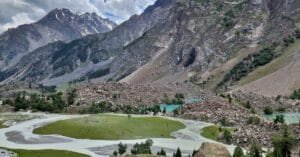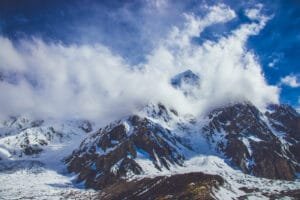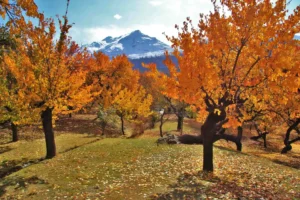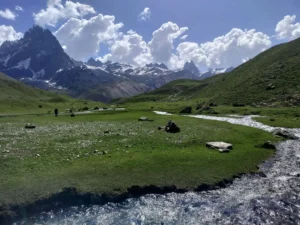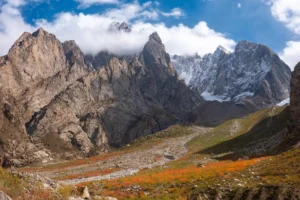
Swat Valley is one of the most appealing mountain destinations in Pakistan’s Khyber Pakhtunkhwa province. Known for its green valleys, forested mountains, flowing rivers, alpine lakes and rich archaeological heritage, Swat offers a rewarding combination of nature, culture and history.
The best places to visit in Swat range from the popular mountain resort of Malam Jabba and the scenic town of Kalam to the beautiful Mahodand Lake and the historic sites around Saidu Sharif. Visitors can enjoy mountain scenery, explore local markets, discover Buddhist heritage and experience the traditional hospitality of the region.
Whether you are planning a family holiday, a cultural journey or a summer escape in the mountains, this guide introduces some of the most interesting places to explore in Swat Valley.
Table of Contents
Why Visit Swat Valley in Pakistan?
Swat is situated in the Malakand Division of Khyber Pakhtunkhwa, with the Swat River running through much of the valley. Its landscape changes as you travel north, from the towns and historical attractions of lower Swat to the forests, rivers and mountain scenery of upper Swat.
The region is particularly interesting because it brings together several different travel experiences:
- Mountain scenery: Forests, rivers, green hillsides and high mountain landscapes.
- Lakes and nature: Mahodand Lake, Kundol Lake and other scenic alpine destinations.
- Winter activities: Malam Jabba is known for its ski resort and winter recreation.
- History and archaeology: Swat has an important place in the history of ancient Gandhara and Buddhism.
- Local culture: Traditional markets, regional food, handicrafts and village life.
For travellers exploring Pakistan beyond its most famous northern destinations, Swat offers a varied introduction to the mountains and cultural heritage of Khyber Pakhtunkhwa. Visit to the Swat Museum to experience the historical and archaeological collections
Best Places to Visit in Swat Valley
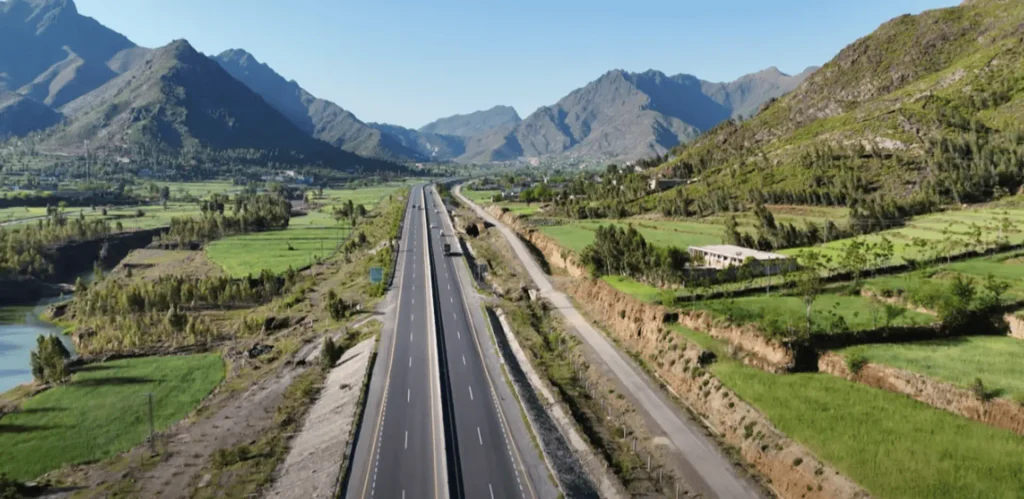
The following destinations offer a good introduction to Swat. Some are easy to reach from the main towns, while others require additional driving and, in certain seasons, local transport.
1. Kalam Valley
Kalam is one of the best-known mountain destinations in upper Swat. Located beside the Swat River, it is surrounded by forested slopes, mountain scenery and smaller valleys.
The town serves as a convenient base for exploring the surrounding region. Visitors can enjoy riverside views, local restaurants, mountain drives and excursions towards Ushu, Utror and Mahodand Lake.
Kalam is especially popular during the summer months when travellers visit to enjoy cooler temperatures and green landscapes.
Things to enjoy in Kalam:
- Explore the town and its local markets.
- Enjoy views of the Swat River.
- Visit nearby forests and mountain villages.
- Take day trips towards Ushu and Mahodand Lake.
- Photograph the surrounding mountain scenery.
2. Malam Jabba Ski Resort
Malam Jabba is one of Pakistan’s recognised winter tourism destinations. Situated in the mountains of Swat, it is particularly known for its ski resort and opportunities for winter recreation.
During the snowy season, visitors come for skiing and snowboarding, while the surrounding mountain scenery attracts travellers during warmer months as well.
The resort has facilities for winter sports and recreational activities, although their availability can depend on the season and operating conditions.
Things to enjoy at Malam Jabba:
- Skiing and snowboarding when conditions permit.
- Mountain views and photography.
- Chairlift rides when operating.
- Relaxing in the surrounding mountain environment.
Malam Jabba is a good destination for visitors interested in experiencing a different side of Pakistan’s mountain tourism.
3. Mahodand Lake
Mahodand Lake is among the most recognised natural attractions of upper Swat. It is located beyond Kalam in the Ushu Valley area and is surrounded by mountains and natural landscapes.
The lake is known for its scenic setting, changing colours of water and opportunities for photography. During suitable conditions, visitors may also find boating and other recreational activities available locally.
Reaching Mahodand generally involves travelling from Kalam through the upper valley. Road conditions can vary, and a suitable local vehicle may be necessary, particularly on difficult sections.
Travel advice: Check road conditions before planning your excursion. Snowfall, rainfall and seasonal changes can affect access.
4. Kundol Lake
Kundol Lake is another beautiful alpine lake in the upper Swat region, situated in the Utror Valley area.
Unlike the more accessible attractions around Kalam, reaching Kundol generally involves a mountain journey followed by a hike. It is therefore better suited to visitors who are comfortable with walking in mountainous terrain.
The surrounding landscape includes mountain slopes and natural scenery, making it an appealing destination for hiking and photography.
Visitors should arrange suitable local guidance, check weather conditions and carry appropriate equipment before attempting the journey.
5. Bahrain
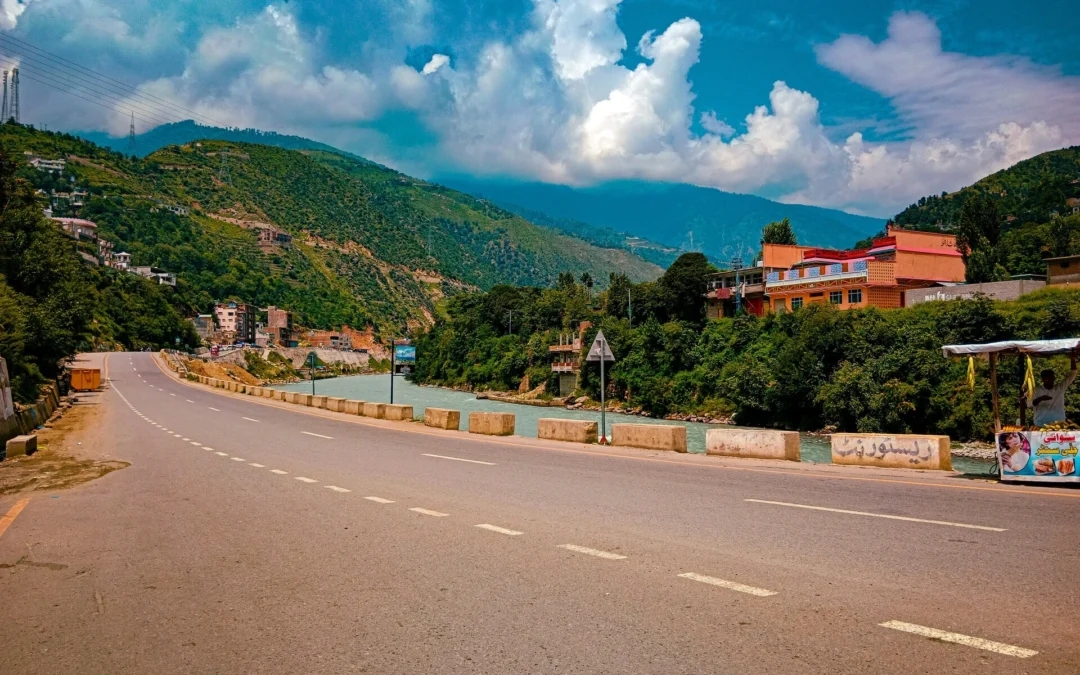
Bahrain is a popular riverside town located along the main route towards Kalam. It is known for its mountain surroundings, river views, local markets and traditional wooden architecture.
The town is a useful stopping point for travellers moving between lower Swat and upper Swat.
Visitors can explore the local bazaar, enjoy traditional food and spend time beside the river. Its location also makes it convenient for a short break during a longer journey towards Kalam.
6. Madyan
Madyan is a well-known mountain town in Swat, situated along the road between Mingora and Bahrain.
The town is known for its riverside setting, surrounding hills, local markets and trout restaurants. It is a pleasant place to stop for refreshments and enjoy the scenery while travelling towards upper Swat.
Madyan is also a useful destination for visitors interested in experiencing everyday life in the mountain communities of the region.
7. Ushu Forest
Ushu Forest, located beyond Kalam, is known for its tall trees and beautiful mountain environment.
The forest offers a different experience from the busy markets and tourist centres. Visitors can enjoy the natural surroundings, photography and peaceful walks where local conditions allow.
It is often included in excursions towards Mahodand Lake because of its location along the upper Kalam route.
Please follow local guidance when exploring forest areas and avoid leaving waste behind.
8. Swat Museum, Saidu Sharif
Swat is not only a destination for nature lovers. It also has an important place in the history of ancient Gandhara and Buddhist civilisation.
The Swat Museum, located along the Saidu Sharif road near Mingora, is an excellent place to learn about the region’s archaeological and cultural heritage.
Its collection includes Gandharan sculptures and objects connected with the history of Swat. The museum also displays examples of traditional local craftsmanship, including embroidery, woodwork and jewellery.
For international travellers interested in the historical side of Pakistan, the museum is a worthwhile addition to a Swat itinerary.
Before visiting, check current opening arrangements with the relevant museum authorities.
9. White Palace, Marghazar
The White Palace, also known as Sufed Mahal, is a historic building situated in Marghazar, south of Saidu Sharif.
Associated with the former rulers of Swat State, the palace is recognised for its distinctive white architecture and historical importance.
Its location among the surrounding hills makes it an interesting destination for visitors who want to explore the history of the former Swat State as well as the region’s natural scenery.
The White Palace can be combined with a visit to Saidu Sharif and the Swat Museum.
10. Butkara I Buddhist Archaeological Site
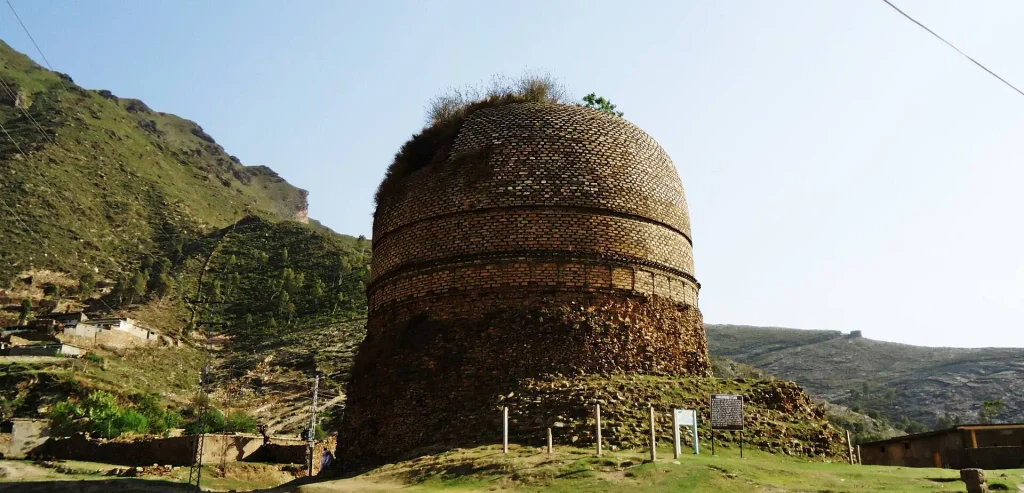
Butkara I is one of the important archaeological sites in Swat. Located near Saidu Sharif, it is a historic Buddhist stupa and monastery complex associated with the ancient Buddhist heritage of the region.
The site provides an opportunity to understand the importance of Swat within the wider history of Gandhara.
Visitors interested in archaeology and ancient history can combine Butkara I with the Swat Museum for a more meaningful cultural excursion.
The site is documented by Pakistan’s Department of Archaeology and Museums.
11. Miandam
Miandam is a mountain resort area in Swat, known for its green surroundings, forested hills and relatively peaceful atmosphere.
It offers an alternative to the busier tourist centres for travellers who prefer a quieter mountain stay.
Visitors can enjoy scenic drives, local walks and the surrounding natural environment. It is also a suitable place for those interested in spending time away from crowded commercial areas.
12. Marghazar and the Surrounding Hills
Marghazar is known for its green landscape and the historic White Palace. Its location near Saidu Sharif makes it convenient for a short excursion from the main towns.
The area is a good choice for visitors interested in combining historical attractions with a relaxed drive through the surrounding hills.
Best Time to Visit Swat Valley
Swat can be visited throughout the year, but the best season depends on the type of experience you want.
Spring: March to May
Spring brings fresh greenery and pleasant conditions to many lower and middle parts of Swat. It is a good season for sightseeing, cultural visits and enjoying the changing mountain landscape.
Higher areas may still experience cold weather and snow.
Summer: June to August
Summer is one of the busiest travel seasons in Swat. Many visitors travel to Kalam, Mahodand Lake, Ushu and other upper valley destinations to enjoy the mountain environment.
This is generally a suitable period for sightseeing and outdoor activities, although rainfall can affect roads and travel plans.
Autumn: September to November
Autumn brings cooler temperatures and changing colours to the landscape. It can be a rewarding time for photography and exploring the towns and valleys.
Conditions become colder at higher elevations as the season progresses, so travellers should check local weather and road conditions.
Winter: December to February
Winter brings snowfall to several parts of Swat, particularly the higher mountain areas.
Malam Jabba is a popular destination for winter sports when snow and resort operations permit. Other mountain roads and attractions may experience difficult access during this period. Check out for more about Swat’s local destinations and information.
How to Reach Swat Valley
Swat can be reached by road from major cities in Pakistan. Many travellers begin their journey from Islamabad or Peshawar before continuing towards Mingora.
By Road from Islamabad
Travellers can drive from Islamabad towards Swat using the motorway network and connecting roads. Mingora is a common starting point for exploring the valley.
The journey time depends on traffic, road conditions, stops and the final destination.
By Road from Peshawar
Swat can also be reached from Peshawar by road through the Malakand region.
Public transport and private vehicles are common options for reaching the main towns.
Local Transport
Once in Swat, travellers can arrange local transport to explore different destinations.
- Private vehicles offer greater flexibility for sightseeing.
- Local taxis can be useful for shorter journeys.
- Suitable four-wheel-drive vehicles may be required for some upper valley excursions.
- Local guides can help visitors understand the area and plan excursions safely.
For remote destinations such as Mahodand and Kundol lakes, confirm the current route and transport arrangements before travelling.
Travel Tips for Visiting Swat
A little preparation can make your visit to Swat more comfortable and enjoyable.
- Check the weather: Mountain weather can change quickly, especially in upper Swat.
- Plan your route: Attractions are spread across the valley, so allow enough time for driving and sightseeing.
- Choose suitable transport: Some mountain roads require vehicles appropriate for local conditions.
- Pack appropriate clothing: Even in summer, evenings can be cool in higher areas.
- Respect local culture: Dress appropriately and ask permission before photographing people.
- Protect the environment: Take your rubbish with you and respect forests, rivers and lakes.
- Check accommodation: Book ahead during busy summer and winter holiday periods.
- Use local advice: Confirm access, road conditions and available activities with reliable local sources before departure.
How Many Days Do You Need in Swat?
The time required depends on how many destinations you want to explore.
| Trip Duration | Suggested Experience |
|---|---|
| 2–3 days | Mingora, Saidu Sharif, Swat Museum, White Palace and Malam Jabba |
| 4–5 days | Add Madyan, Bahrain, Kalam and Ushu Forest |
| 6–7 days | Allow additional time for Mahodand Lake and other upper valley excursions |
| Longer stay | Explore additional mountain areas, local communities and suitable hiking routes |
These are suggested planning durations rather than fixed itineraries. Actual travel time depends on road conditions, weather and the activities you choose.
Responsible Tourism in Swat Valley
Swat’s natural environment and cultural heritage are important assets for local communities and future generations.
Responsible travelers can help protect the region by avoiding littering, respecting local traditions, supporting locally owned businesses and following guidance in protected and archaeological areas.
When visiting historical sites, avoid touching or removing archaeological objects. These places are part of Pakistan’s cultural heritage and deserve proper protection.
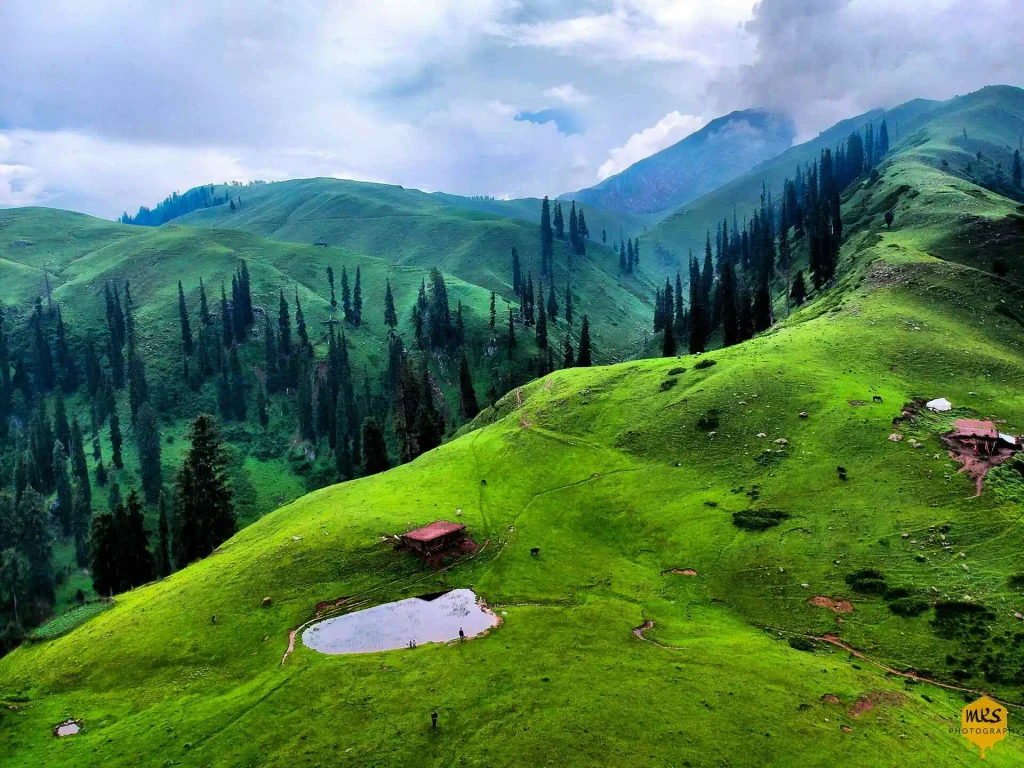
Mountain scenery and green valley in Kalam, Swat, Pakistan
Plan Your Pakistan Journey with Trips Nomad Adventure
Pakistan offers a remarkable variety of travel experiences, from the mountain landscapes of the north to the historic cities and cultural destinations of the country.
At Trips Nomad Adventure, we specialise in introducing international travellers to Pakistan through cultural journeys, historical tours and mountain adventures.
Our experience is rooted in the northern regions of Pakistan, particularly the remote valleys of Yasin, Ishkoman and the wider Hindukush. We believe in responsible travel, local knowledge and meaningful connections with the places and communities we visit.
If you are planning a wider journey through Pakistan, explore our Pakistan Tour Packages and Pakistan Outdoor Adventure Tours.
Discover Pakistan beyond the usual routes with Trips Nomad Adventure.
Frequently Asked Questions About Visiting Swat
1. What are the best places to visit in Swat Valley?
Some of the most popular places include Kalam Valley, Malam Jabba, Mahodand Lake, Kundol Lake, Bahrain, Madyan, Ushu Forest, Swat Museum and White Palace in Marghazar.
2. What is Swat Valley famous for?
Swat is known for its mountain scenery, rivers, forests, alpine lakes, winter tourism and ancient Buddhist archaeological heritage.
3. What is the best time to visit Swat?
Summer is popular for exploring Kalam, Mahodand Lake and other upper valley destinations. Winter is suitable for experiencing snowfall and skiing at Malam Jabba when conditions permit. Spring and autumn are also attractive for sightseeing.
4. Is Swat suitable for families?
Yes. Many destinations, including Mingora, Saidu Sharif, Malam Jabba, Madyan and Bahrain, can be included in family holidays. Families should choose excursions according to road conditions, travel time and the ages of children.
5. How many days are enough to explore Swat?
A two- or three-day visit can cover some of the main attractions around Mingora and Malam Jabba. Four to seven days allow more time to explore Kalam, Bahrain, Ushu and Mahodand Lake.
6. Can visitors explore lakes in Swat?
Yes. Mahodand Lake and Kundol Lake are among the best-known lakes in the region. However, access conditions and the amount of walking required differ, so visitors should plan accordingly.
7. Is Swat worth visiting for history lovers?
Yes. Swat has an important archaeological heritage connected with ancient Gandhara and Buddhism. The Swat Museum and Butkara I are worthwhile places for visitors interested in the history of the region.
8. How can international tourists reach Swat?
International visitors commonly arrive in Islamabad or another major Pakistani city and continue to Swat by road. Private transport and public transport options are available for reaching the main towns.
9. Is Swat accessible during winter?
Some main towns and destinations remain accessible, but snowfall and difficult road conditions can affect travel to higher areas. Visitors should confirm local conditions before departure.