
Pakistan is a land of extraordinary contrasts, where ancient civilizations, historic cities, vibrant cultures and dramatic mountain landscapes come together. From the Mughal monuments of Lahore and the archaeological ruins of the Indus Valley Civilization to the spectacular peaks and lakes of Gilgit-Baltistan, the country offers memorable experiences for many kinds of travellers.
If you are planning a holiday in Pakistan, this guide introduces 25 tourist attractions worth considering. Explore historic forts, Buddhist archaeological sites, sacred places, national parks, alpine lakes and traditional mountain valleys. Whether you love history, photography, cultural experiences or outdoor adventures, Pakistan has plenty to discover.
The destinations below cover several regions of the country. Travel times, road conditions, seasonal access and local security conditions can vary, so plan your itinerary carefully before setting out.
1. Lahore Fort: Discover the Grandeur of the Mughal Empire
Table of Contents
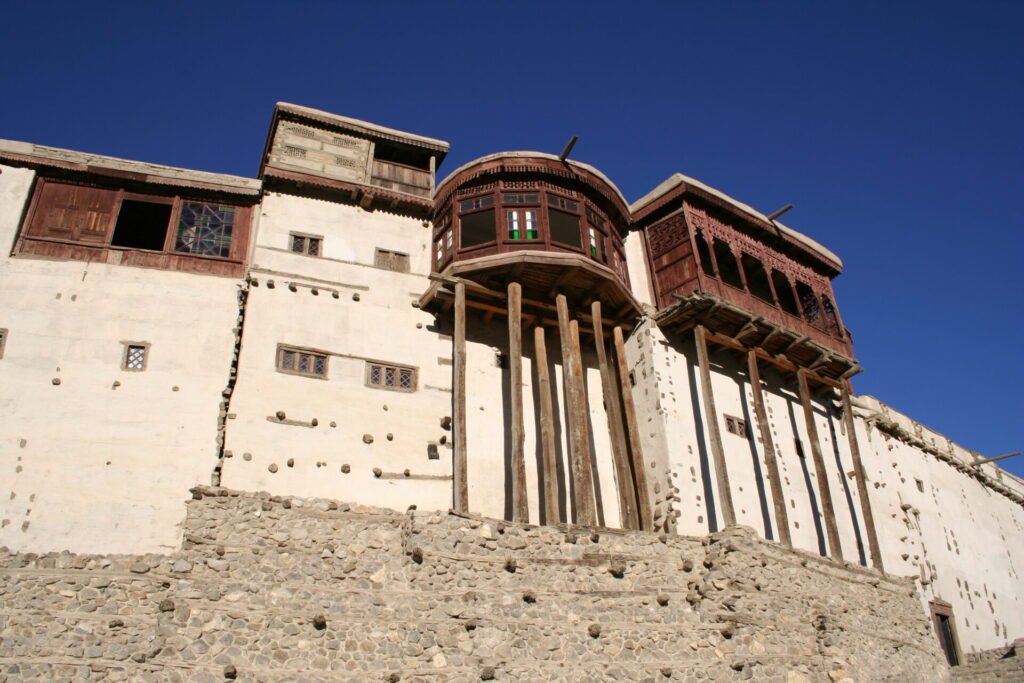
Located in the historic heart of Lahore, Lahore Fort is one of Pakistan’s most important architectural landmarks. Its history stretches across several periods, and the fort was substantially developed during the Mughal era, particularly under Emperor Akbar in the 16th century.
Inside the complex, visitors can explore remarkable structures such as Sheesh Mahal, famous for its intricate mirror work, and the elegant Naulakha Pavilion. Decorative tilework, carved details and impressive courtyards offer insight into the artistic achievements of the Mughal period.
Lahore Fort and the nearby Shalimar Gardens are recognised together as the UNESCO World Heritage property known as Fort and Shalamar Gardens in Lahore. History lovers should allow enough time to explore the fort rather than treating it as a quick photo stop.
2. Shalimar Gardens: A Mughal Landscape Masterpiece
Shalimar Gardens in Lahore were commissioned by Mughal Emperor Shah Jahan in the 17th century. Designed as a formal garden, the complex features terraces, water channels, fountains and pavilions that reflect the Mughal appreciation of landscape design.
The gardens provide a different perspective on Lahore’s history from the city’s forts and mosques. Their planned layout demonstrates how water, architecture and greenery were combined to create an elegant recreational space.
Shalimar Gardens form part of the same UNESCO World Heritage property as Lahore Fort. They are an excellent addition to a cultural itinerary that includes other historic landmarks in Lahore.
3. Mohenjo-Daro: Explore the Indus Valley Civilization
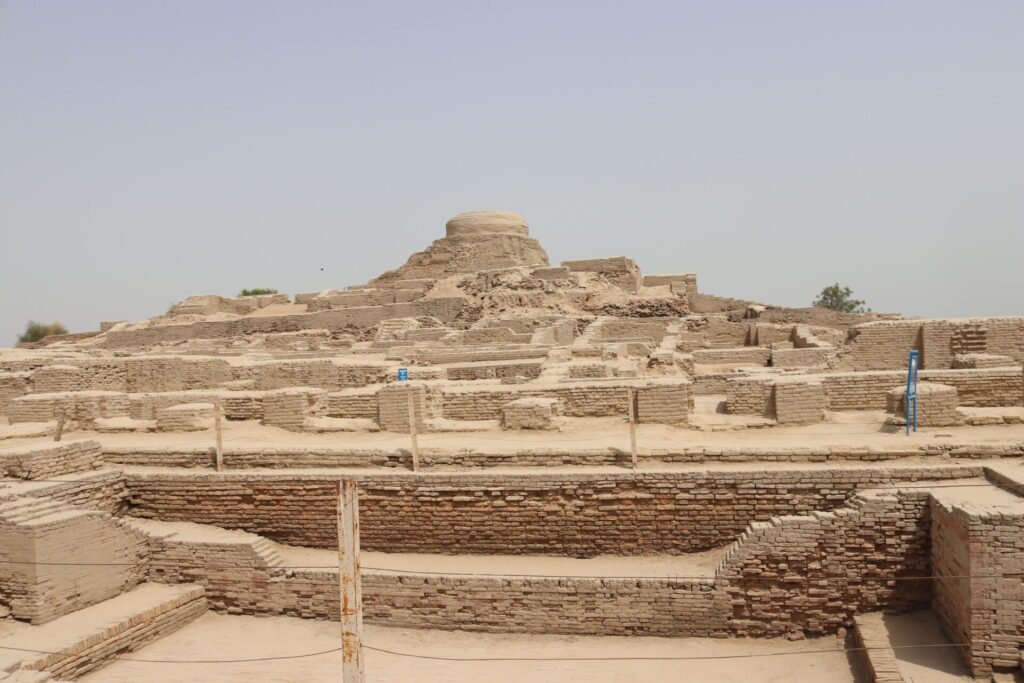
Mohenjo-Daro, in Sindh, is one of the most significant archaeological sites associated with the ancient Indus Valley Civilization. Flourishing around 4,500 years ago, the city reveals evidence of sophisticated urban planning, organised streets, drainage systems and carefully constructed buildings.
Among its best-known features is the Great Bath, a large structure believed to have had an important communal or ritual function. The remains offer visitors a glimpse into an early urban society that developed long before many of the world’s famous ancient cities.
Mohenjo-Daro is a UNESCO World Heritage Site and an important destination for travellers interested in archaeology and early human settlements. The site can be very hot during summer, so plan visits around comfortable hours and follow local guidance.
4. K2: Journey into the World of High Mountains
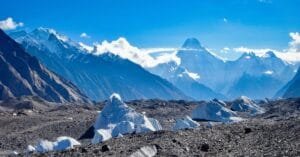
Rising to 8,611 metres, K2 is the world’s second-highest mountain. Located in the Karakoram range near Pakistan’s border with China, it is renowned among mountaineers for its altitude, difficult terrain and demanding climbing conditions.
For trekking enthusiasts, the K2 Base Camp journey is one of Pakistan’s major high-altitude adventures. The route travels through dramatic mountain scenery, including the Baltoro Glacier and the spectacular meeting of peaks around Concordia. Trekkers experience immense rock walls, glaciers and some of the most striking landscapes in the Karakoram.
This is not an ordinary sightseeing excursion. The trek requires careful preparation, suitable equipment, acclimatisation and experienced logistical support. Weather, permits and seasonal conditions can affect the itinerary.
Travellers looking for a guided mountain expedition can explore the K2 Base Camp and Gondogoro La Trek with Trips Nomad Adventure.
5. Hunza Valley: One of the Most Beautiful Tourist Places in Pakistan
Hunza Valley in Gilgit-Baltistan is known for its dramatic mountain views, traditional settlements, orchards and welcoming communities. Set among the Karakoram peaks, it is a favourite destination for travellers who want to combine scenery with cultural exploration.
Visit Baltit Fort and Altit Fort to learn about the region’s historic heritage and former local rulers. Attabad Lake, formed following a major landslide in 2010, is famous for its striking blue water and surrounding mountain walls. On clear days, the peaks around Hunza provide exceptional opportunities for photography.
Spring brings blossoms to many orchards, while autumn colours the landscape with shades of gold and red. Summer is popular for sightseeing and outdoor activities. Travellers should allow time for village visits and scenic stops instead of rushing through the valley.
6. Badshahi Mosque: An Icon of Lahore
Badshahi Mosque is one of Lahore’s most recognisable landmarks. Commissioned by Mughal Emperor Aurangzeb and completed in 1673, it is celebrated for its vast courtyard, red sandstone architecture, marble details and impressive domes.
The mosque stands near Lahore Fort, making it convenient to combine the two attractions in one visit. Its scale and architectural design offer a memorable introduction to the city’s Mughal heritage.
Visitors should dress modestly, respect prayer times and follow the mosque’s rules for entry and photography. A guided walk through the surrounding historic area can help put the mosque into its wider cultural and architectural context.
7. Taxila: Discover Gandhara’s Buddhist Heritage
Taxila, near Islamabad and Rawalpindi, is one of Pakistan’s most important archaeological destinations. The wider archaeological area contains remains from different historical periods, reflecting centuries of cultural exchange across South and Central Asia.
Visitors can explore ancient settlement remains, Buddhist monasteries and stupas associated with the Gandhara civilisation. The Taxila Museum provides additional context through its collection of sculptures and archaeological objects, including examples of Gandharan art.
Taxila is a UNESCO World Heritage Site and an excellent destination for travellers interested in ancient history, Buddhism and archaeology. Consider arranging a knowledgeable guide to help explain the different sites and their historical significance.
8. Neelum Valley: Green Landscapes and Mountain Villages
Neelum Valley in Azad Jammu and Kashmir follows a beautiful river corridor surrounded by forested slopes and mountain scenery. Its settlements, meadows and winding roads make it attractive to travellers looking for a quieter natural escape.
Sharda and Kel are among the places visitors may include in an itinerary, depending on road access and local conditions. The valley offers opportunities for photography, riverside stops and walks in suitable areas.
Spring and summer bring greener landscapes, while autumn can add colour to the forests. Weather and road conditions can change quickly in mountainous areas, and some journeys take longer than expected. Check current local guidance before travelling and confirm which areas are accessible.
9. Kalash Valleys: Experience a Distinctive Cultural Heritage
The Kalash valleys of Bumburet, Rumbur and Birir lie in the Chitral region of northwestern Pakistan. They are home to the Kalash people, whose distinctive traditions, community life, festivals, clothing and cultural practices are an important part of the region’s heritage.
Visitors can learn about Kalash culture by exploring the villages respectfully, visiting cultural spaces where permitted and learning from local residents or guides. Festivals can provide an opportunity to understand traditional music, dance and community celebrations, but dates and access should be confirmed before travelling.
The Kalash valleys are surrounded by mountain scenery, making the journey a combination of cultural discovery and natural beauty. Visitors should ask permission before photographing people or entering private or ceremonial spaces, and should respect local customs.
The wider Chitral region also offers mountain landscapes, traditional settlements and opportunities for guided cultural journeys.
10. Swat Valley: Famous Tourist Destination in Pakistan
Swat Valley in Khyber Pakhtunkhwa combines river scenery, forested mountains, green meadows and a rich historical background. Depending on the season and route, visitors can enjoy scenic drives, village visits and outdoor activities.
Swat is also important for its Buddhist heritage. Archaeological sites such as Butkara Stupa and Udegram reflect the region’s historical connections with Buddhism and Gandhara.
The valley’s landscape changes throughout the year, from lush summer scenery to snow-covered winter areas. Travellers should select activities according to the season and check current road, weather and security conditions before making arrangements.
11. Fairy Meadows: A View of Nanga Parbat
Fairy Meadows is a renowned mountain destination in Gilgit-Baltistan, offering dramatic views towards Nanga Parbat, which rises to 8,126 metres. The meadow is surrounded by alpine forest and mountain scenery, creating a memorable setting for photography and outdoor experiences.
Visitors commonly travel towards the area by road and then continue on foot along a mountain trail. The route can be steep and exposed in places, so suitable footwear, a reasonable level of fitness and attention to local guidance are important.
Some travellers continue towards the Nanga Parbat Base Camp area, but this involves additional walking and should not be confused with a casual visit to the meadow. Weather can change rapidly, and accommodation and access are seasonal.
Fairy Meadows is best enjoyed with sufficient time to appreciate the landscape rather than rushing through a day trip.
12. Harappa: Another Window into an Ancient Civilization
Harappa, in Punjab, is one of the principal archaeological sites associated with the Indus Valley Civilization. Along with Mohenjo-Daro, it provides important evidence of an early urban culture that flourished thousands of years ago.
The archaeological remains help visitors understand the layout of ancient settlements, building practices and aspects of daily life. The site’s historical importance makes it especially interesting for travellers exploring the origins of urban civilisation in South Asia.
Harappa is not currently inscribed on UNESCO’s World Heritage List, although it has been included on Pakistan’s Tentative List. Visitors interested in archaeology may find it useful to combine the visit with a broader journey through the historic sites of Punjab.
13. Makli Necropolis: A Remarkable Historic Cemetery
Near Thatta in Sindh, the Makli Necropolis is an extensive historic cemetery containing tombs and mausoleums built over several centuries. The monuments reflect a variety of architectural styles and decorative traditions, making the site particularly valuable for understanding the history of Sindh.
Intricate stonework, carved details and monumental tombs reveal the artistic skill of the communities and rulers associated with the region. The atmosphere of the site also offers a different experience from Pakistan’s bustling cities and mountain destinations.
UNESCO recognises the site as the Historical Monuments at Makli, Thatta. Visitors should allow time to explore respectfully and avoid touching or damaging the historic structures.
Makli can be included in a cultural itinerary that also explores Thatta and other historical destinations in Sindh.
14. Hingol National Park: Desert Landscapes and the Arabian Sea
Hingol National Park in Balochistan contains a striking range of landscapes, from arid mountains and mud formations to coastal scenery along the Arabian Sea. The park is known for unusual geological features, including the formation commonly called the Princess of Hope.
The Makran Coastal Highway provides access to some of the region’s memorable scenery, although routes and stops must be planned carefully. Visitors may encounter rocky landscapes, remote stretches of coastline and distinctive natural formations.
Hingol is a large, remote area rather than a single attraction with all facilities nearby. Travellers should arrange suitable transport, carry sufficient water and supplies, check local access and security conditions, and avoid assuming that fuel or services will be readily available.
For nature lovers and photographers, Hingol offers a different side of Pakistan from the alpine scenery of the north.
15. Katas Raj Temples: A Historic Hindu Sacred Site
The Katas Raj Temples are a historic Hindu temple complex in Punjab’s Salt Range. The complex includes several temples surrounding a sacred pond and reflects the region’s long history of religious traditions and architectural development.
Local religious traditions associate the pond with the Hindu deity Shiva. Visitors can learn about the site’s spiritual significance as well as its historic architecture and setting among the Salt Range hills.
Katas Raj is a meaningful destination for travellers interested in religious heritage and the cultural diversity of Pakistan. Visitors should dress respectfully, follow site rules and be considerate of people visiting for worship.
The temples can be included in a wider itinerary through Punjab, alongside other historical sites and landscapes in the Salt Range.
16. Multan: The City of Saints
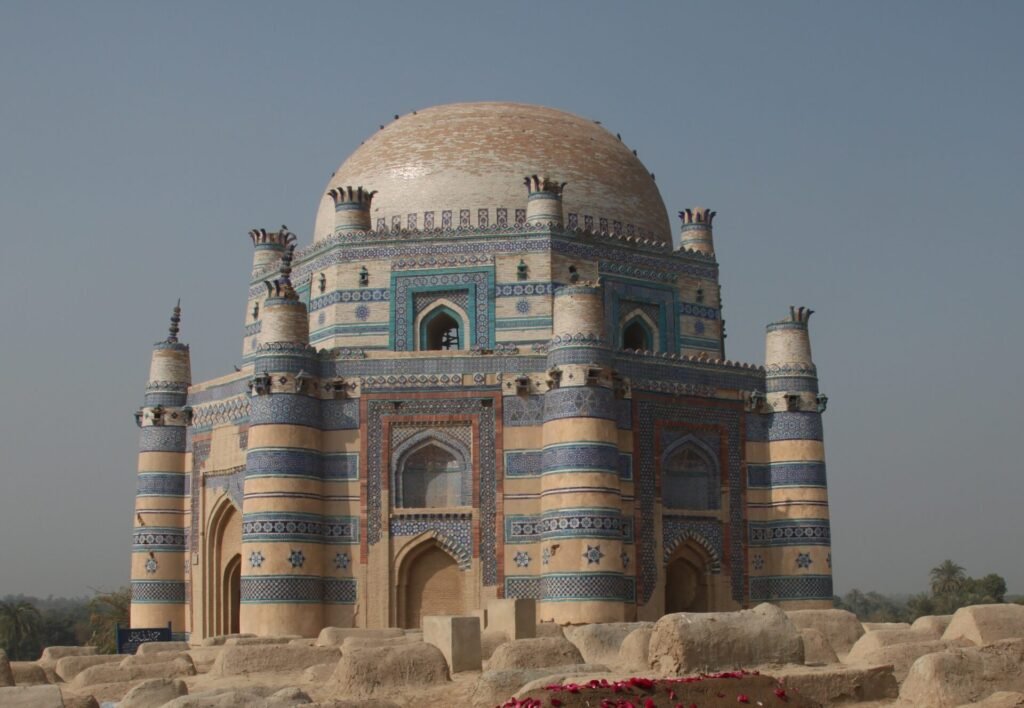
Multan is one of South Asia’s historic cities and is widely known as the City of Saints because of its many Sufi shrines. Its history, religious traditions, bazaars and distinctive blue-tiled monuments make it an important stop for cultural travellers.
Among the best-known landmarks is the mausoleum of Shah Rukn-e-Alam, recognised for its monumental form and decorative brickwork. The shrine of Bahauddin Zakariya is another important destination for visitors interested in Sufi history.
Multan Fort’s historic site and surrounding area also reflect the city’s past, although much of the old fortification was destroyed during the British siege of 1848–49. It is more accurate to explore the surviving historic landscape and nearby monuments than to expect an intact fort complex.
A guided walk can help visitors understand Multan’s religious traditions, architecture and local crafts. For travellers exploring Pakistan’s cultural heritage, the city provides a valuable contrast to the mountain regions in the north.
17. Ranikot Fort: The Great Wall of Sindh
Ranikot Fort lies in the rugged landscape of Sindh and is widely known by the nickname the Great Wall of Sindh. Its extensive defensive walls follow the contours of the surrounding hills, creating a dramatic historic landscape.
The fort’s immense circumference has led to claims that it is the world’s largest fort, although such superlatives depend on how a fort’s boundaries and size are measured. Its scale, remote setting and long stretches of stone wall are impressive without needing an absolute ranking.
Visitors should plan transport and supplies in advance because facilities may be limited in the surrounding area. The best experience comes from appreciating the landscape and architecture while following local guidance and avoiding damage to the historic masonry.
Ranikot is a distinctive option for travellers who want to explore Sindh beyond its major cities.
18. Shrine of Lal Shahbaz Qalandar: The Sufi Heritage of Sehwan
The Shrine of Lal Shahbaz Qalandar in Sehwan Sharif, Sindh, is one of the region’s most significant Sufi religious destinations. The shrine honours the celebrated Sufi saint Lal Shahbaz Qalandar and attracts pilgrims and visitors throughout the year.
The site is associated with devotional music, spiritual traditions and community gatherings. For visitors interested in the living culture of Pakistan, it provides an opportunity to learn about the role of Sufism in local religious and social life.
As with all religious sites, visitors should dress appropriately, follow local guidance and be respectful during prayers and gatherings. Large events can be busy, so allow extra time and check local conditions before travelling.
Sehwan can be part of a wider journey through Sindh that includes archaeological sites, historic towns and the cultural landscapes of the Indus region.
19. Skardu: One of the Best Places to Visit in Northern Pakistan
Skardu, in Gilgit-Baltistan, is surrounded by rugged mountains, broad valleys and striking lakes. It serves as an important gateway for journeys into the Karakoram and towards some of Pakistan’s most famous trekking and mountaineering destinations and also see Trekking in Pakistan.
Visitors can explore the landscape around Skardu, enjoy views of the Indus Valley and visit nearby lakes and historic sites, depending on their itinerary and the season. The region is also a starting point for expeditions to areas such as the Baltoro Glacier and K2 Base Camp.
Skardu offers a different experience throughout the year. Summer is popular for sightseeing and trekking, while colder months can bring snow and travel disruptions. Road journeys may take longer than expected, and mountain weather can affect transport plans.
For travellers who want to explore the northern mountains, Skardu is an excellent base for a carefully planned itinerary.
20. Satpara Lake: A Mountain Lake Near Skardu
Satpara Lake lies near Skardu and is surrounded by an impressive mountain landscape. Its water and rugged surroundings make it a popular stop for travellers exploring the area.
The lake can be included in a day of sightseeing around Skardu, with opportunities for photography and enjoying the scenery. Facilities and permitted activities may vary, so visitors should confirm local arrangements rather than assume that boating or other services are always available.
Satpara Lake is also associated with routes towards Deosai National Park, although access depends on road conditions and the season. If you are planning to visit both, allow sufficient time and check whether the road is open.
For visitors interested in the landscapes of Gilgit-Baltistan, Satpara is an accessible way to experience the region’s mountain scenery.
21. Deosai National Park: The Land of Giants
Deosai National Park is a high-altitude plateau between the Skardu and Astore regions. Known as the Land of Giants, it features vast open plains, mountain views, seasonal wildflowers and a distinctive alpine environment.
The park is also important for wildlife conservation, including the Himalayan brown bear. Visitors should observe wildlife from a respectful distance and follow park rules to avoid disturbing animals and their habitat.
Summer is generally the most suitable period for visiting, but access depends on snow, weather and road conditions. The high elevation can affect visitors who are not acclimatised, and facilities are limited in many areas.
Deosai is not simply a scenic drive; it is a sensitive natural environment that deserves responsible travel. Carry necessary supplies, take waste away with you and confirm access conditions before departing.
22. Bala Hisar Fort: A Historic Landmark in Peshawar
Bala Hisar Fort stands in Peshawar, one of the historic cities of Khyber Pakhtunkhwa. Its strategic position reflects the city’s long-standing importance as a meeting point for trade, migration and cultural exchange between South and Central Asia.
The fort has undergone changes over time and has served different military and administrative purposes. Access may be restricted because of its current use, so visitors should verify whether entry is permitted before planning a visit.
Peshawar has other important cultural attractions, including the Peshawar Museum and historic mosques and neighbourhoods. The city’s traditional markets and architecture can add depth to a cultural itinerary when local conditions allow.
Travellers should check current official travel advice and local security conditions before visiting Peshawar or other parts of the region.
23. Rawal Lake: A Peaceful Escape Near Islamabad
Rawal Lake is a reservoir near Islamabad and a familiar recreational landscape for residents and visitors. Surrounded by green areas and hills, it offers a break from the busy streets of the capital.
Visitors can enjoy the views, take photographs and explore designated recreational areas where access is permitted. Nearby viewpoints and parks may be included in a broader sightseeing day around Islamabad.
Facilities and permitted activities can change, so check local information before making specific plans. The lake is particularly convenient for travellers who want a short outdoor visit without undertaking a long journey from the city.
If you have additional time in Islamabad, consider combining the lake with other cultural and scenic attractions in the capital region.
24. Khewra Salt Mine: An Underground Attraction in Punjab
Khewra Salt Mine, located in Punjab’s Salt Range, is one of Pakistan’s best-known mining attractions. Visitors can explore designated underground areas and learn about salt extraction, the mine’s history and the geological features of the region.
The underground route includes striking salt formations and constructed displays. It offers a very different experience from Pakistan’s archaeological sites, historic cities and mountain landscapes.
Khewra can be included in a wider journey through the Salt Range, although travel time depends on your starting point and road conditions. Check current opening hours, entry arrangements and visitor rules before travelling.
For visitors travelling between Islamabad and Lahore, a visit to Khewra may be possible with careful itinerary planning rather than as an unplanned stop.
25. Hiran Minar: A Mughal-Era Landmark in Sheikhupura
Hiran Minar, in Sheikhupura near Lahore, is a distinctive historic complex associated with Mughal Emperor Jahangir. The site includes a tall minaret and a large water tank with a pavilion, combining architecture and landscape design.
The complex is traditionally associated with Jahangir’s beloved deer, giving it a story that distinguishes it from many other Mughal monuments. Its open setting makes it a rewarding destination for visitors interested in history, photography and historic architecture.
Hiran Minar is on Pakistan’s UNESCO Tentative List, but it is not currently one of the country’s inscribed UNESCO World Heritage properties. Visitors can combine it with a wider exploration of Lahore and other historic places in Punjab.
Allow time to appreciate the full complex, and check local access and opening arrangements before setting out.
Travel Insurance for a Trip to Pakistan
Travel insurance is an important consideration when planning a trip to Pakistan, especially if your itinerary includes remote mountain regions, long road journeys or outdoor adventures. Unexpected illness, injury, travel delays or cancellations can create additional expenses.
Before purchasing a policy, read its terms carefully. Check whether it covers your planned activities, medical treatment, emergency evacuation, trip interruptions and the destinations you intend to visit. Some policies exclude high-altitude trekking or require specific cover for certain activities.
Trips Nomad Adventure recommends that travellers arrange suitable insurance before departure. You can explore SafetyWing Travel Insurance and check whether its current coverage meets your individual needs and itinerary.
Insurance does not replace careful planning. Check official travel advice for your nationality, follow local guidance and confirm that your policy remains valid for the areas and activities you plan to undertake.
Frequently Asked Questions About Tourist Attractions in Pakistan
How many UNESCO World Heritage Sites are there in Pakistan?
Pakistan has six properties inscribed on the UNESCO World Heritage List: Mohenjo-Daro, the Buddhist Ruins of Takht-i-Bahi and neighbouring remains at Sahr-i-Bahlol, Taxila, Fort and Shalamar Gardens in Lahore, the Historical Monuments at Makli in Thatta, and Rohtas Fort. Several other sites are on Pakistan’s Tentative List, which is separate from the official World Heritage List.
What are the best places to visit in Pakistan for first-time travellers?
Lahore is an excellent choice for Mughal architecture, museums and food culture. Islamabad offers a convenient introduction to the capital region, while Hunza and Skardu are popular for mountain scenery. The best itinerary depends on your available time, travel season, interests and current access conditions.
What is the best time to visit Pakistan?
The best time depends on the region. Spring and autumn are often pleasant for many cultural destinations and parts of the lowlands. Summer is generally popular for visiting northern mountain valleys and high-altitude trekking routes. Winter can bring snow and road closures in mountainous areas, so check conditions for each destination before travelling.
Is Pakistan safe for international tourists?
Safety conditions vary by region and can change. Before travelling, consult the latest official travel advisory issued by your government, check local conditions and follow advice from trusted local authorities. Do not assume that every destination is equally accessible or suitable for travel at a given time.
What is the most challenging trek in Pakistan?
K2 Base Camp is a demanding high-altitude trekking expedition, involving long days on rough terrain and travel across glaciers. Other expeditions in the Karakoram and Himalaya can also be extremely challenging. Difficulty depends on the route, weather, altitude, fitness and experience, so choose an itinerary suited to your abilities and use qualified local support.
Which city in Pakistan is known as the City of Saints?
Multan is widely known as the City of Saints because of its many Sufi shrines and long religious history. Visitors can explore important monuments such as the mausoleum of Shah Rukn-e-Alam and the shrine of Bahauddin Zakariya.
Why is Makli Necropolis important?
Makli Necropolis near Thatta is an extensive historic cemetery containing tombs and mausoleums from different periods. Its architecture and decorative stonework make it an important part of Sindh’s cultural heritage. UNESCO recognises it as the Historical Monuments at Makli, Thatta.
Can I visit historical sites and northern Pakistan on the same trip?
Yes, with enough time and a well-planned itinerary. You could combine Lahore’s Mughal monuments and archaeological sites in Punjab with a separate journey to the northern mountain regions. However, distances are considerable, and mountain travel can be affected by weather and road conditions. Avoid trying to cover too many places in a short visit.
Explore Pakistan with Trips Nomad Adventureu003cbru003e
Pakistan offers far more than a list of famous landmarks. Its historic cities preserve the legacies of ancient civilisations and empires, while its valleys and mountain regions reveal remarkable landscapes and living cultural traditions. Whether you are interested in archaeology, Mughal architecture, Sufi heritage, mountain scenery or trekking, choosing the right destinations can make your journey more rewarding. At Trips Nomad Adventure, we focus on helping travelers discover Pakistan’s landscapes, cultures and mountain regions through thoughtfully planned travel experiences. Pakistan tours and trekking adventures to start planning your journey.