
The Broad Peak avalanche of July 30, 2026, was one of the most tragic events of the 2026 Pakistan mountaineering season. Ten climbers from an international expedition were swept away on Broad Peak in the Karakoram, including renowned mountaineer Nirmal “Nimsdai” Purja. All ten climbers were subsequently confirmed dead. This day Broad Peak Avalanche 2026 will be remembered forever in the mountaineering history of the world.
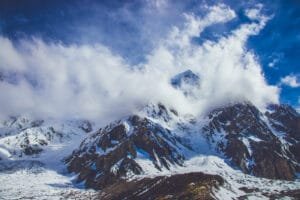
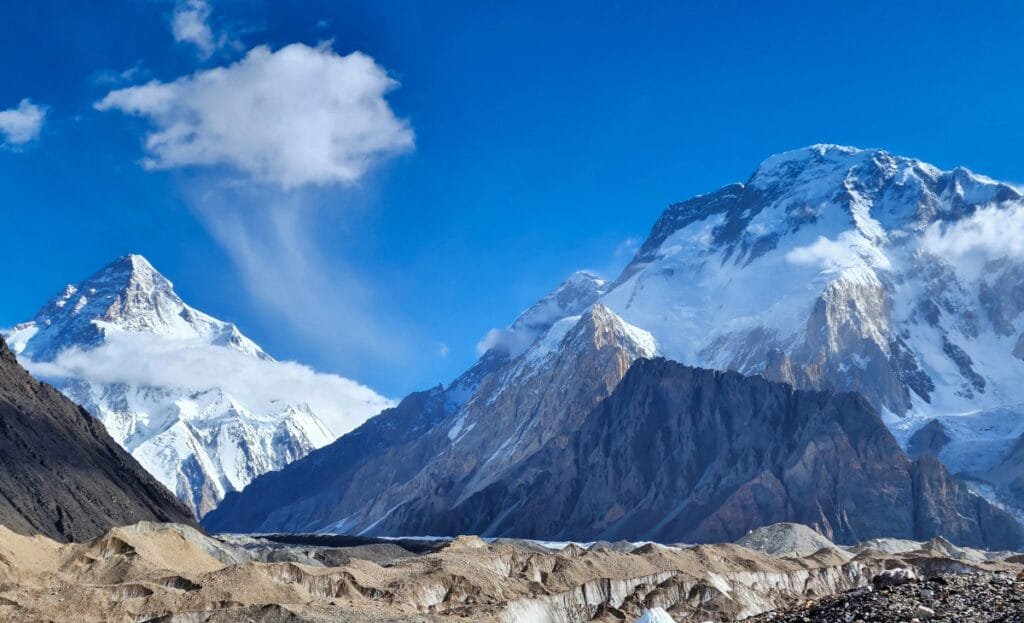
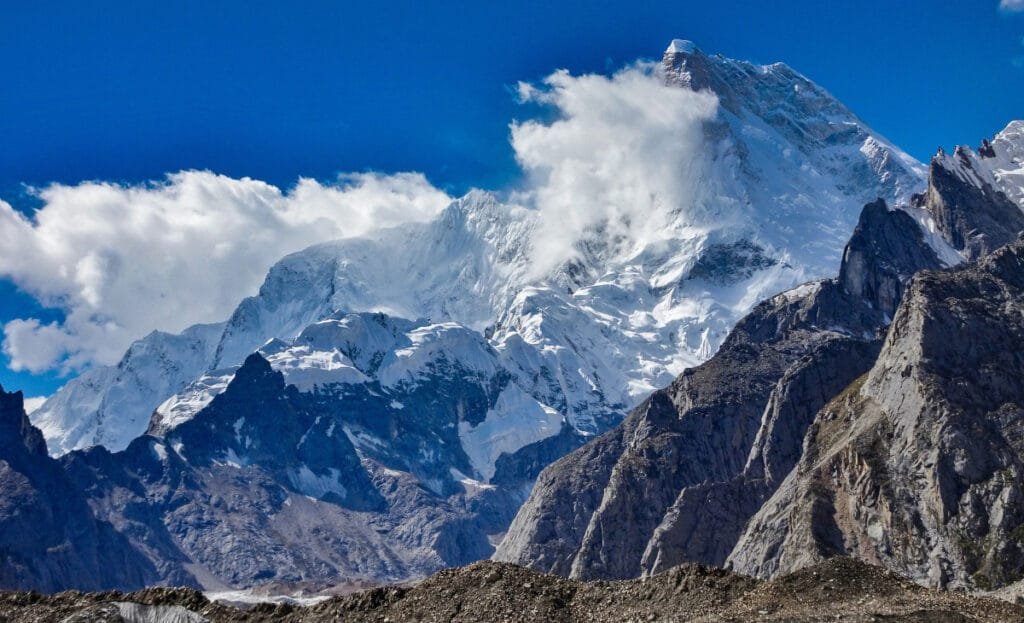
Broad Peak is an 8,051-metre mountain in Pakistan’s Karakoram range and is one of the world’s fourteen 8,000-metre peaks. Its location near K2 places it within one of the most spectacular—and demanding—high-altitude environments on Earth.
For the mountaineering community, the tragedy is a painful reminder that experience, preparation and determination cannot completely eliminate the objective dangers of climbing above 8,000 metres.
At Trips Nomad Adventure, we believe the Broad Peak tragedy should be remembered with respect while also encouraging a deeper understanding of mountain safety, expedition preparation and responsible adventure in Pakistan.
What Happened on Broad Peak in 2026?
On July 30, 2026, an avalanche struck an international group of climbers on Broad Peak as they were climbing in the upper mountain between Camps II and III.
The group included ten climbers associated with an international expedition. Among them was renowned Nepali-British mountaineer Nirmal “Nimsdai” Purja, one of the most recognized high-altitude climbers of his generation.
The avalanche swept the climbers down the mountain and immediately created an extremely difficult search-and-rescue situation.
Search teams from Pakistan, supported by helicopters and ground rescuers, began efforts to locate the missing climbers. However, the combination of high altitude, unstable snow, steep terrain and poor weather made the operation exceptionally dangerous.
On July 31, several bodies had been located, while rescue teams continued searching for the remaining climbers. By August 1–2, all ten members of the expedition were confirmed dead.
When Did the Broad Peak Avalanche Happen?
The avalanche occurred on July 30, 2026.
This date is important because some early reports published during the rescue operation described the climbers as missing rather than confirmed dead. As search and recovery operations progressed, the status of the expedition became clearer.
The final confirmation of all ten deaths came during the following days.
Broad Peak Avalanche 2026 Timeline
July 30, 2026
An avalanche struck the climbing team on Broad Peak.
July 31, 2026
Pakistani search teams located several bodies. Helicopter operations were affected by difficult weather conditions.
August 1, 2026
The expedition company confirmed that Nirmal Purja and the other members had not survived.
August 2, 2026
Further recovery operations located additional bodies, and reports confirmed the deaths of all ten climbers.
Who Were the 10 Climbers Lost on Broad Peak?
The expedition was an international group of highly experienced mountaineers and climbing professionals.
Those identified in reports include:
- Nirmal “Nimsdai” Purja — Nepal/Britain
- Pur Bahadur Gurung “Yukta” — Nepal
- Kili Pemba Sherpa “Kilu” — Nepal
- Nima Sherpa — Nepal
- Nawang Thindu Sherpa — Nepal
- Gyalu Sherpa — Nepal
- Nadhira Ahmed Abdullah Al Harthy — Oman
- Sohail Sakhi — Pakistan
- Wang Zhong — China
- Mallory Geis — United States
Radio Nepal reported the ten names and noted that six of the victims were Nepali, alongside climbers from Pakistan, Oman, China and the United States.
The climbers came from different backgrounds, but they shared a common goal: climbing one of Pakistan’s great 8,000-metre mountains.
Their loss represents not only a mountaineering tragedy but also the loss of individuals, families, friends, guides and communities around the world.
Remembering Nirmal “Nimsdai” Purja
Nirmal Purja was one of the most recognizable names in modern Himalayan mountaineering.
He became internationally famous after climbing all fourteen of the world’s 8,000-metre peaks in record time in 2019. His achievement was later featured in the Netflix documentary 14 Peaks: Nothing Is Impossible.
Purja was also part of the team that achieved the first winter ascent of K2 in 2021.
His death on Broad Peak therefore resonated far beyond Pakistan and Nepal, with climbers and mountaineering communities around the world mourning one of the sport’s most prominent figures.
His legacy, however, goes beyond records.
It reflects the determination, physical endurance and commitment required to operate in the world’s highest mountains.
Why Is Broad Peak So Dangerous?
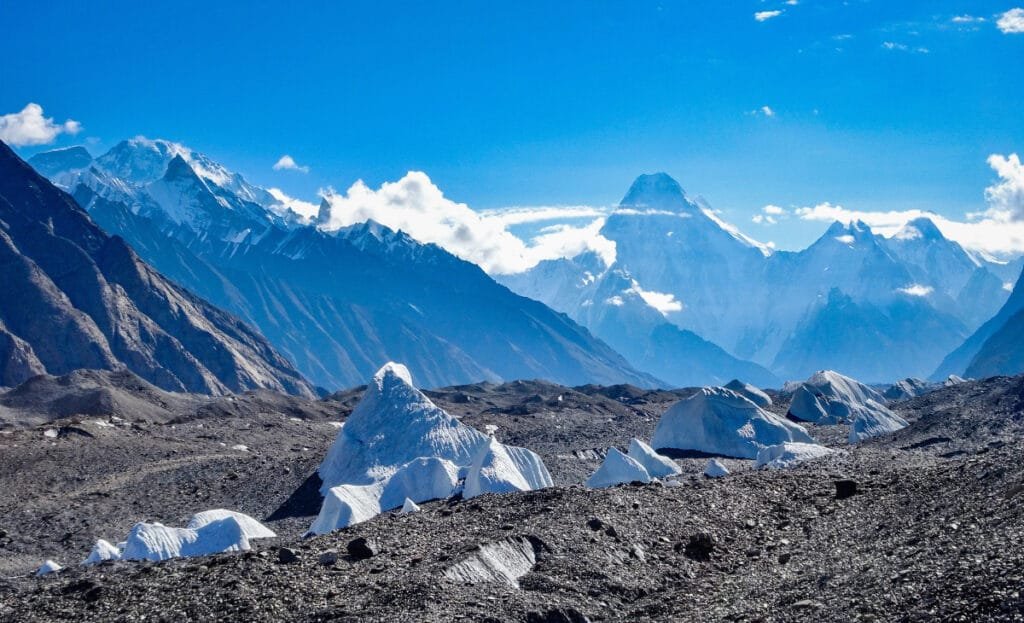
Broad Peak reaches approximately 8,051 metres above sea level.
At this elevation, mountaineers operate in an environment where the human body is under severe physiological stress and where the mountain itself can present rapidly changing hazards.
Broad Peak should never be regarded simply as another trekking destination.
It is a serious high-altitude mountaineering objective requiring appropriate experience, technical preparation, acclimatization, equipment, weather assessment and professional expedition management.
1. Extreme altitude
At elevations above 8,000 metres, oxygen availability is dramatically reduced.
Climbers can experience severe fatigue, impaired judgment, hypothermia and altitude-related illness. Even experienced mountaineers must carefully manage their time at extreme altitude.
2. Avalanche danger
Avalanches are among the most serious objective hazards in high mountains.
They can be influenced by:
- New snowfall
- Wind loading
- Snowpack instability
- Temperature changes
- Terrain
- Cornices
- Steep slopes
- Previous snowfall
- Rapid weather changes
Importantly, an avalanche does not necessarily mean that a climber made a mistake.
High mountains contain objective hazards that sometimes cannot be completely predicted or controlled.
3. Rapidly changing weather
Weather in the Karakoram can change rapidly.
Cloud, snowfall, strong winds, poor visibility and extreme cold can transform climbing conditions within a short period.
This is why expedition teams constantly monitor weather forecasts and mountain conditions.
4. Difficult rescue conditions
Broad Peak is located in a remote and extremely high-altitude environment.
A rescue operation at these elevations is fundamentally different from an ordinary search-and-rescue operation.
Helicopter operations can be restricted by:
- Wind
- Clouds
- Visibility
- Altitude
- Terrain
- Snow conditions
Ground rescuers themselves may face serious risks while attempting to reach an accident site.
What Can Climbers Learn From the Broad Peak Avalanche?
There is no single lesson that can explain a complex mountain accident.
However, the Broad Peak tragedy reinforces several important principles of high-altitude mountaineering.
Mountain safety begins before the expedition
Good decision-making starts long before reaching base camp.
Climbers should understand:
- Their own experience and limitations
- The technical difficulty of the route
- Seasonal weather patterns
- Avalanche hazards
- Acclimatization requirements
- Emergency procedures
- Communication systems
- Evacuation limitations
- Insurance and rescue arrangements
Experience does not remove objective risk
One of the most important lessons from Broad Peak is that experience cannot eliminate mountain hazards.
Experienced climbers can make excellent decisions and still encounter unpredictable conditions.
The goal of expedition planning is therefore not to make the mountain risk-free.
It is to understand, reduce and manage risk as responsibly as possible.
Knowing when to turn around matters
In mountaineering, reaching the summit is only one measure of success.
A responsible expedition leader must be prepared to change plans when conditions deteriorate.
A summit is never worth compromising the safety of the team.
Broad Peak and the High Mountains of Pakistan
Pakistan is home to some of the most extraordinary mountains on Earth.
The country’s northern regions contain parts of the:
- Karakoram
- Himalaya
- Hindukush
- Pamir mountain systems
Among the country’s best-known high peaks are:
K2 — 8,611 m
The second-highest mountain on Earth and one of the most technically demanding major peaks in the world.
Nanga Parbat — 8,126 m
Known as the “Killer Mountain,” Nanga Parbat rises dramatically above the Diamer region of Gilgit-Baltistan.
Broad Peak — 8,051 m
Located in the Karakoram near K2, Broad Peak is one of Pakistan’s fourteen 8,000-metre peaks.
Gasherbrum I — 8,080 m
Also known as Hidden Peak, Gasherbrum I is another major high-altitude climbing objective in the Karakoram.
Gasherbrum II — 8,035 m
One of the world’s 8,000-metre peaks and another major expedition destination in Pakistan.
These mountains attract elite climbers from around the world.
But Pakistan’s mountains offer much more than extreme high-altitude expeditions.
Trekking in Pakistan: Adventure Beyond the 8,000-Metre Peaks
For travelers who want to experience Pakistan’s mountains without attempting an 8,000-metre summit, the country offers an extraordinary range of trekking and cultural adventures.
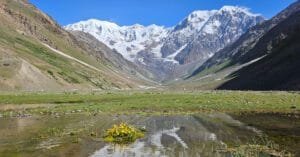
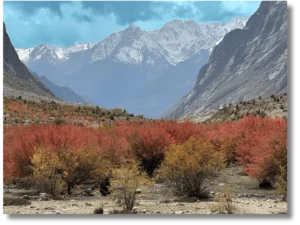
The Hindukush, Karakoram and western Himalaya contain valleys, passes, glaciers, alpine meadows and remote communities that can be explored through carefully planned trekking journeys.
Destinations such as Yasin Valley, Ishkoman, Ghizer, Hunza, Chitral and the wider Karakoram region offer opportunities to experience some of Pakistan’s most spectacular mountain landscapes.
These journeys can provide an immersive mountain experience without requiring the extreme technical and physiological demands of an 8,000-metre expedition.
Responsible Adventure in Pakistan
At Trips Nomad Adventure, we believe that responsible adventure begins with respect—for the mountains, local communities, guides, porters and the environment.
Every mountain journey should be planned according to:
- Experience
- Fitness
- Season
- Weather
- Route conditions
- Group size
- Local knowledge
- Appropriate equipment
- Emergency planning
Our goal is not simply to take travelers into remote mountains.
It is to help them experience Pakistan’s landscapes and cultures responsibly and meaningfully.
Broad Peak Is More Than a Summit
The Broad Peak tragedy reminds us why mountains deserve respect.
A mountain does not become safe simply because thousands of people have climbed it.
Every season brings different weather, snow conditions and hazards.
For mountaineers, preparation means understanding that the mountain always has the final word.
For travelers, the lesson is equally important: Pakistan’s mountains should be explored with preparation, qualified local support and respect for the environment and communities that call these regions home.
The ten climbers who lost their lives on Broad Peak in July 2026 should be remembered not only for the tragedy that ended their expedition, but also for their passion for the mountains.
Mountain Guide’s Perspective
“The Broad Peak tragedy is a powerful reminder that experience alone cannot eliminate objective mountain hazards. Above 8,000 metres, weather, snow conditions, altitude and terrain can change the risk profile within minutes. Good expedition leadership is not only about reaching the summit—it is also about recognizing when the mountain is telling you to turn around.”
— Amin Shah, Founder & Mountain Guide, Trips Nomad Adventure
Explore the Mountains of Pakistan Responsibly
Pakistan is much more than its 8,000-metre peaks.
From the high passes of the Hindukush to the valleys of the Karakoram, the country offers some of the world’s most remarkable opportunities for trekking, cultural exploration and responsible mountain adventure.
If you are planning to explore Pakistan’s mountains, choose an itinerary that matches your experience, fitness and interests—and work with people who understand the local terrain, culture and conditions.
Explore Pakistan beyond the famous peaks. Discover the valleys, passes, people and landscapes that make the mountains unforgettable.
Recommended Trips Nomad Adventure Resources
- Trekking in Pakistan
- Hindukush Trekking
- Karakoram Treks
- K2 Base Camp Trek
- Yasin Valley Trekking
- Ghizer Valley Adventures
- Pakistan Adventure Tours
- Join Group Tours in Pakistan
Frequently Asked Questions
When did the Broad Peak avalanche happen?
The Broad Peak avalanche occurred on July 30, 2026, during an international mountaineering expedition on the mountain.
How many climbers died in the Broad Peak avalanche?
All 10 climbers in the affected expedition were subsequently confirmed dead.
Was Nirmal Purja killed on Broad Peak?
Yes. Renowned mountaineer Nirmal “Nimsdai” Purja was among the ten climbers who died in the avalanche. His death was confirmed by his expedition company and reported by international media.
How high is Broad Peak?
Broad Peak rises to approximately 8,051 metres (26,414 feet) above sea level and is one of the world’s fourteen 8,000-metre peaks.
Where is Broad Peak located?
Broad Peak is located in Pakistan’s Karakoram mountain range in Gilgit-Baltistan, near K2.
Is Broad Peak difficult to climb?
Yes. Broad Peak is an extreme high-altitude mountaineering objective. Climbers must deal with severe altitude, weather, snow and ice hazards, technical terrain and limited rescue options.
Is Broad Peak harder than K2?
Broad Peak and K2 present different challenges. K2 is widely regarded as one of the world’s most technically demanding major mountains, while Broad Peak also presents serious high-altitude, weather, avalanche and objective hazards. Comparing the two simply by “difficulty” can be misleading because route conditions and individual experience vary.
What is the best season to climb Broad Peak?
The traditional climbing season for Pakistan’s 8,000-metre peaks is generally the summer period, when expedition teams attempt to take advantage of suitable weather windows. However, conditions vary significantly from year to year, and no climbing season should be considered automatically safe.
Can ordinary travelers visit the Broad Peak region?
The wider Karakoram region can be visited through trekking and cultural journeys, but an actual Broad Peak expedition is a highly specialized mountaineering undertaking. Travelers should select routes according to their experience, fitness and technical ability.
Final Thoughts
The Broad Peak avalanche of 2026 will remain a deeply painful chapter in Pakistan’s mountaineering history.
Ten climbers from different countries went into the mountains pursuing a shared passion. Their deaths remind the international climbing community that the world’s highest mountains demand humility, preparation and respect.
Pakistan remains a remarkable destination for mountain adventure—but responsible exploration must always come first.
The mountains will always be there. A successful adventure is one that brings people home safely.
Trips Nomad Adventure — Explore Pakistan. Respect the Mountains. Live the Adventure.