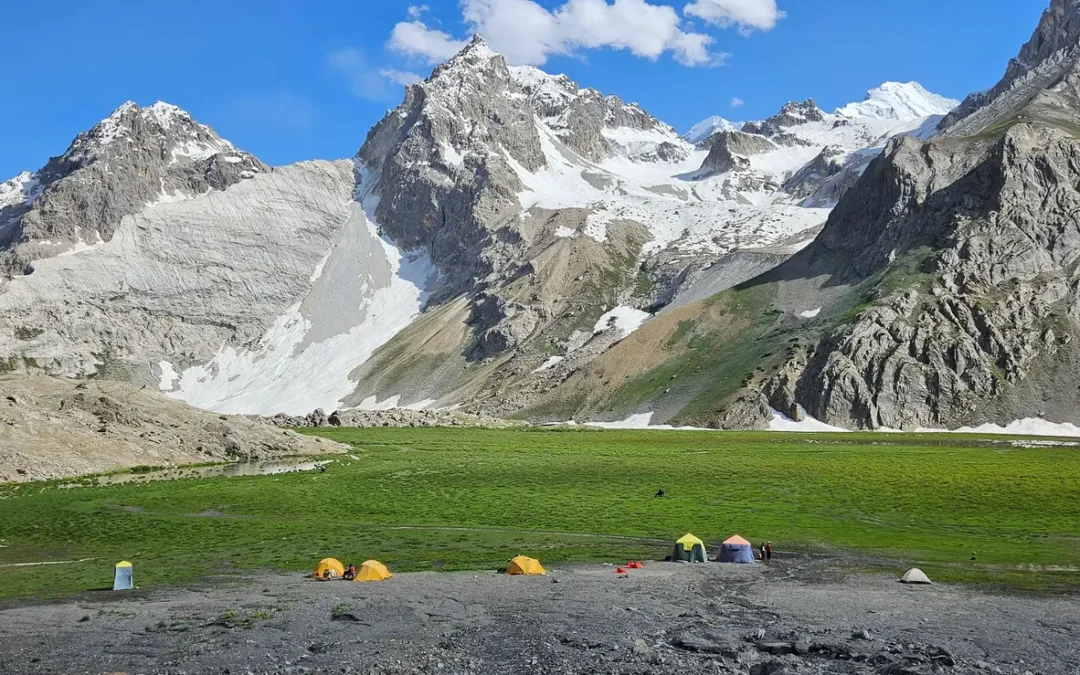
When travelers think of Northern Pakistan, destinations like Hunza and Skardu often take center stage. But beyond the usual routes lies a quieter, more authentic region—Ghizer Valley (Yasin, Ishkoman and Phandar).
Nestled within the mighty Hindukush Mountain Range, Ghizer is not just one valley—it’s a network of breathtaking regions including Yasin, Ishkoman, and Phander. For centuries, these valleys have been connected to Chitral through ancient trekking routes crossing high-altitude passes and the legendary Shandur Pass.
For nature lovers and adventure seekers, this means one thing: a rare chance to explore untouched landscapes, authentic culture, and true Hindukush trekking routes—without the crowds. Discover the best of the best things to do in Ghizer valley in the amazing Hindukush Mountains.
Why it Should Be on Your Travel List and Consider Best of the Best things to do in Ghizer Valley
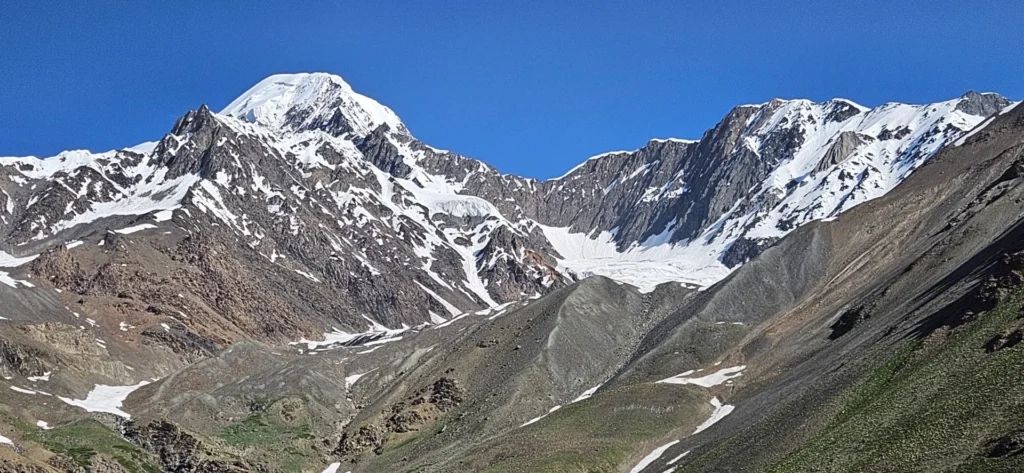
Ghizer Valley stands out as one of the most underrated destinations in Northern Pakistan.
- Untouched and non-commercial tourism
- Clean environment with minimal crowds
- Budget-friendly stays (often under $50)
- Easy road access from Gilgit
- Gateway to remote Hindukush trekking routes
Unlike crowded tourist hotspots, Ghizer offers a more peaceful and authentic experience—perfect for travelers looking to disconnect and explore.
Best Things to Do in Ghizer Valley
Explore the Magical Phander Valley
Phander Valley is often considered one of the most beautiful valleys in Pakistan.
- Crystal-clear rivers and lakes
- Lush green landscapes in summer
- Surrounded by Hindukush peaks
- Ideal for relaxation and photography
Visit the Stunning Khalti Lake
Khalti Lake is a must-visit destination in Ghizer.
- Turquoise-blue water with mountain reflections
- Popular spot for trout fishing
- Freezes beautifully during winter
- Easy to access from the main road
Trek the Hidden Hindukush Passes (4000–4500m)
Ghizer Valley is a paradise for trekking enthusiasts, offering over 30 interconnected routes.
4000–4500 m
- Connects Yasin, Ishkoman, Phander, and Chitral
- Features glaciers, alpine lakes, and waterfalls
- Less crowded than Hunza and Skardu treks
- Suitable for both beginner and experienced trekkers
Legendary Hindukush Treks in Ishkoman and Yasin Valleys
The real adventure begins in Ishkoman and Yasin Valleys—home to some of the best trekking routes in Pakistan.
There are destinations you can go on a day hike or a month long trek. Trips Nomad Adventure organizes all these trips with hands on experiences.
Attar Pass (Darkot to Ishkoman) – 4 Days
- Glacier views and alpine terrain
- Moderate difficulty
- Ideal short Hindukush trek
Panji Pass (Darkot to Ishkoman) – 4 Days
- Less crowded route
- Raw and untouched landscapes
- Great for off-the-beaten-path travel
Assumbar Pass (Ishkoman to Yasin) – 4 Days
- Connects two major valleys
- Cultural and scenic diversity
- Balanced trekking difficulty
See the tour package for this trip.
Darmandir Pass (Darmandir to Yasin) – 4 Days
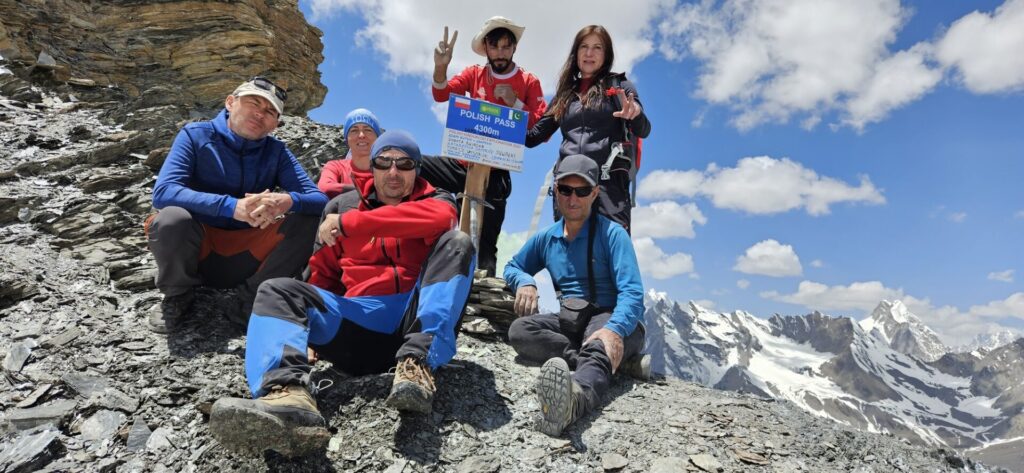
- Remote and rarely visited
- Peaceful camping locations
- Ideal for experienced trekkers
Makuli Pass (Assumbar to Makuli) – 3 Days
- Short and rewarding trek
- Perfect for limited schedules
- Scenic meadows and views
Ghamubar Pass (Darkot to Thui) – 3 Days
- Compact adventure
- Stunning ridgelines
- Moderate challenge
Thui Pass (Yasin to Yarkhun, Chitral) – 5 Days
- One of the most iconic Hindukush crossings
- Connects Gilgit-Baltistan with Chitral
- Diverse landscapes and cultures
Nazbar Pass (Yasin to Phander) – 4 Days
- Connects peaceful valleys
- Scenic and accessible
- Great for intermediate trekkers
Nazbar and Zagar Pass (Yasin to Mastuj, Chitral) – 6 Days
- Multi-pass trekking experience
- Deep wilderness exploration
- Best for experienced adventurers
Dadrilli Pass (Phander to Kalam) – 5 Days
- Connects Ghizer to Swat
- Changing landscapes throughout the trek
- Long but rewarding journey
Darkot Pass (Yasin to Broghil, Chitral)
- Historic trade route
- Dramatic mountain scenery
- High-altitude challenge
Zandhigharam Pass (Yasin to Broghil)
- Remote and demanding trek
- Minimal tourist presence
- True wilderness experience
Discover Glaciers, Waterfalls, and Hidden Nature
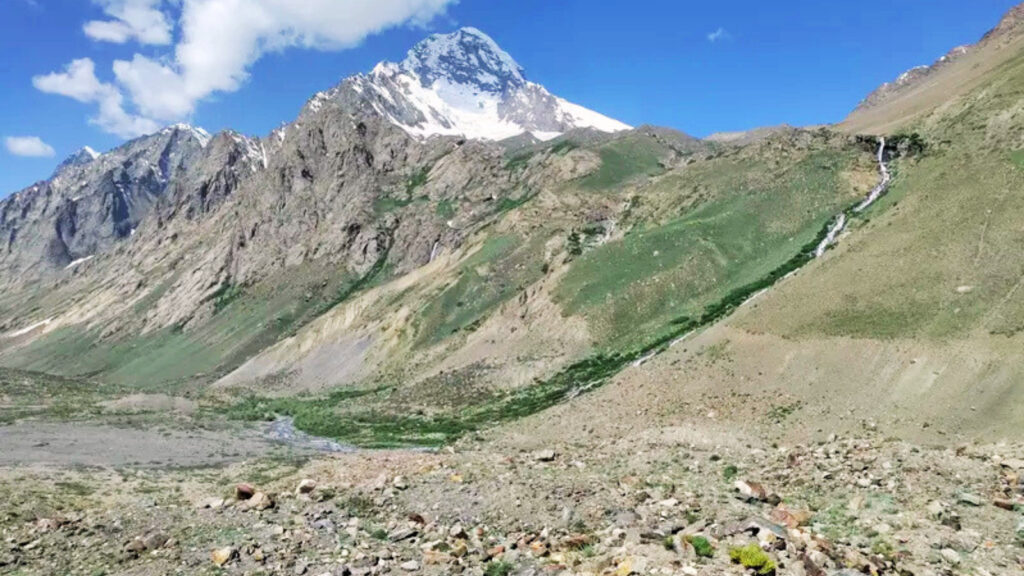
Beyond the trekking routes, Ghizer Valley is filled with hidden natural wonders. Glaciers descend from rugged peaks, waterfalls flow through quiet valleys, and many areas remain completely untouched by tourism.
- Untouched glaciers flowing from the Hindukush
- Hidden waterfalls in remote valleys
- Quiet landscapes with no crowds
- Ideal for nature photography
Camp Under the Stars
Camping in Ghizer is a unique experience. With wide open landscapes and minimal light pollution, the night skies are incredibly clear. Whether near a river or high in the mountains, the sense of peace and isolation is unforgettable.
- Wide open natural landscapes
- Clear night skies with no light pollution
- Peaceful riverside and mountain campsites
Experience Local Culture and Hospitality
The people of Ghizer Valley are known for their warmth and hospitality. Life here remains simple and traditional, offering visitors a chance to experience authentic culture without the influence of heavy tourism.
Enjoy Trout Fishing in Phander River
The Phander River is famous for trout fishing. Even for those who don’t fish, sitting beside the river surrounded by mountains is a calming and memorable experience.
- Famous for fresh trout
- Peaceful riverside experience
- Great for relaxation
Take a Scenic Road Trip Through Ghizer Valley
- Stunning drive from Gilgit
- Rivers, mountains, and villages along the way
- One of the most scenic routes in Northern Pakistan
Best Time to Visit Ghizer Valley
The best time to visit is from May to October. Summer brings lush green landscapes and ideal trekking conditions, while autumn transforms the valley into shades of gold and orange. Winter is beautiful but can be challenging due to snowfall.
- May to October is ideal
- Summer (June–August): Green landscapes and trekking
- Autumn (September–October): Golden colors and fewer tourists
How to Get to Ghizer Valley
Travelers can fly from Islamabad to Gilgit and then continue by road into Ghizer Valley. Compared to other remote destinations, the journey is relatively straightforward, making it accessible for international visitors.
- Fly from Islamabad to Gilgit
- Travel by road into Ghizer Valley
Compared to other remote regions, Ghizer is relatively easy to access.
Where to Stay in Ghizer Valley
Accommodation in Ghizer Valley is affordable and comfortable. Visitors can find guesthouses and hotels for under $50, along with camping options for those seeking adventure. See the post about The Best Places to stay in Ghizer Valley.
- Guesthouses under $50
- Comfortable local hotels
- Camping options available
Travel Tips for International Visitors
Pakistan is generally safe for tourists, especially in northern regions. Visitors should respect local culture, dress modestly, and prepare for changing weather conditions. Iternet access may be limited in remote areas, so it’s best to plan accordingly.
- Northern Pakistan is generally safe for tourists
- Respect local customs and traditions
- Pack for changing weather conditions
- Expect limited internet in remote areas
Ghizer Valley vs Hunza and Skardu
Ghizer offers a different experience compared to popular destinations.
- Less crowded
- Cleaner environment
- More authentic culture
- Untouched trekking routes
Ghizer Valley vs Hunza and Skardu
Ghizer offers a different experience compared to popular destinations.
- Less crowded
- Cleaner environment
- More authentic culture
- Untouched trekking routes
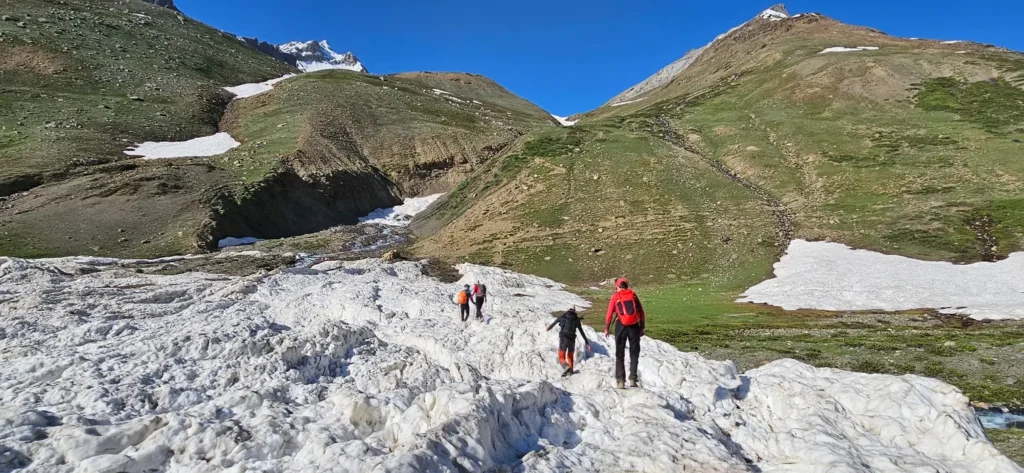
Travel Safety and Insurance
Travel safety is important when exploring remote regions like Ghizer Valley in Northern Pakistan. We strongly recommend having authentic travel insurance before your journey to cover unexpected situations such as medical emergencies, delays, or trip interruptions.
A reliable option for international travelers is SafetyWing Travel Insurance, which offers flexible online coverage you can buy and manage from anywhere in the world. It is designed for digital nomads and adventure travelers, making it a practical choice for trekking and exploring remote mountain areas.
Always travel prepared so you can fully enjoy your adventure with peace of mind.