
A 10 Days Northern Pakistan Tour offers an unforgettable journey through some of the country’s most spectacular mountain landscapes, lush green valleys, alpine meadows, crystal-clear lakes, historic sites, and traditional towns. Located among the mighty Karakoram, Hindukush, and Himalayan mountain ranges, northern Pakistan is an excellent destination for travelers seeking natural beauty, adventure, and cultural experiences.
Table of Contents
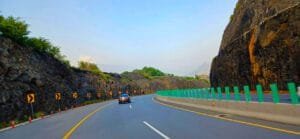
The journey usually begins in Islamabad, Pakistan’s capital city. Travelers can reach the northern regions by road along the famous Karakoram Highway, a spectacular mountain route known for its dramatic scenery. Depending on the destination and road conditions, the drive from Islamabad to Gilgit can take approximately 15–18 hours or longer. During the summer season, the route via Babusar Pass, at approximately 4,100 metres, may provide an alternative when the pass is open, usually between June and October, depending on weather and road conditions.
Travelers can also consider domestic flights from Islamabad to Gilgit or Skardu. Flights are much quicker than traveling by road, but they depend heavily on weather conditions and visibility in the surrounding mountains. Cloud, rain, strong winds, or poor visibility can cause delays or cancellations.
For this reason, flexibility is essential when planning a Northern Pakistan tour. Allowing extra time and having a backup travel plan can help you manage unexpected changes and enjoy your journey with less stress.

Taxila Museum and Archaeological Sites
Historical Significance
Taxila is one of Pakistan’s most important archaeological destinations and a fascinating stop for travelers interested in history and culture. Located near Islamabad, this ancient city was an important centre of learning, trade, and Buddhist culture, connecting different civilizations across Asia.
The archaeological remains of Taxila include ancient settlements, monasteries, stupas, and other structures that reflect the region’s rich Gandharan heritage. The Taxila Museum is an excellent place to learn about this history before exploring the nearby archaeological sites.
What to See at Taxila Museum
The museum houses an important collection of Gandharan art and archaeological discoveries, including stone sculptures, Buddhist reliefs, coins, jewelry, and other historical objects. These exhibits offer insight into the artistic traditions, religious life, and cultural exchanges that shaped the region over many centuries.
For travelers beginning their Northern Pakistan tour in Islamabad, Taxila offers an opportunity to experience Pakistan’s historical heritage before continuing towards the mountains. Visitors should check the museum’s opening arrangements and site access before travelling.
Skardu: A Major Highlight of a 10 Days Northern Pakistan Tour
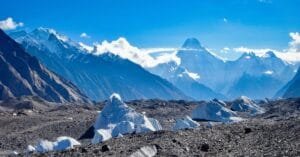
Skardu is one of the main gateways to the spectacular landscapes of Gilgit-Baltistan. Surrounded by dramatic mountains, broad valleys, turquoise lakes, and the mighty Karakoram Range, it is an excellent destination for nature lovers, photographers, and adventure travelers.
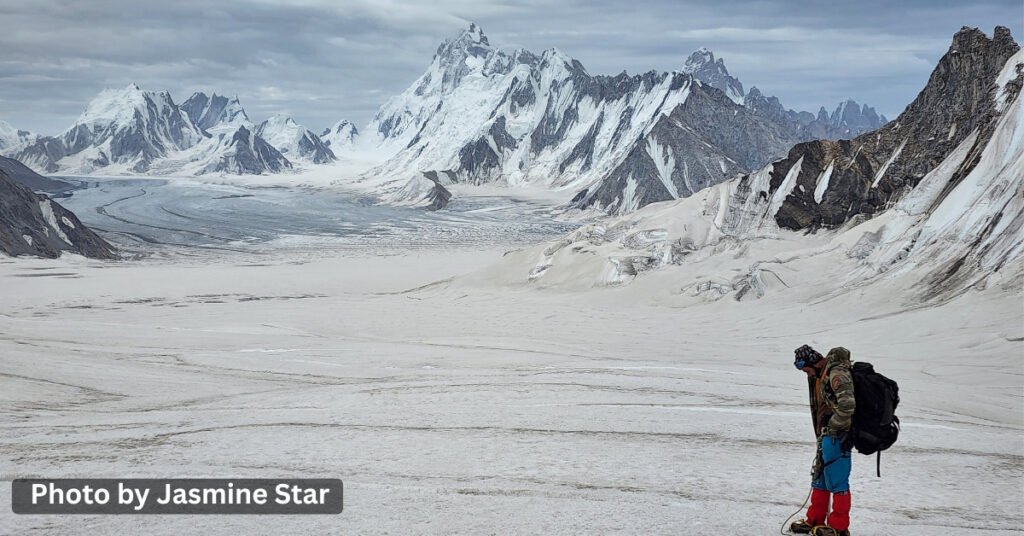
Skardu is also an important starting point for expeditions and treks in the Karakoram, including journeys towards K2, the world’s second-highest mountain. However, reaching K2 Base Camp requires a separate, multi-day trek and cannot normally be included as a short sightseeing excursion within a standard 10-day Northern Pakistan tour.
Top Attractions in Skardu
Some of the most popular places to visit around Skardu include:
- Shangrila Resort and Lower Kachura Lake: Famous for its scenic setting, mountain views, and beautiful lakeside surroundings.
- Satpara Lake: A striking mountain lake near Skardu, surrounded by rugged landscapes.
- Shigar Valley: Known for its traditional settlements, mountain scenery, and historic Shigar Fort.
- Khaplu Valley: A beautiful destination offering cultural heritage, traditional architecture, and views of the surrounding mountains.
The attractions you can visit depend on your itinerary, road conditions, and the amount of time available.
Adventure Activities in Skardu
Skardu offers opportunities for hiking, camping, photography, and cultural exploration. Experienced trekkers and mountaineers can also use the region as a starting point for longer adventures in the Karakoram.
For visitors with limited time, day excursions around Skardu provide an opportunity to enjoy the landscapes without committing to a lengthy expedition. Travelers interested in K2 Base Camp or other high-altitude treks should plan a separate itinerary with sufficient time for trekking, acclimatization, and weather-related delays. “Skardu is one of the major highlights of a 10 Days Northern Pakistan Tour, offering beautiful lakes, mountain scenery, and access to the Karakoram.”
Fairy Meadows: Magnificent Views of Nanga Parbat
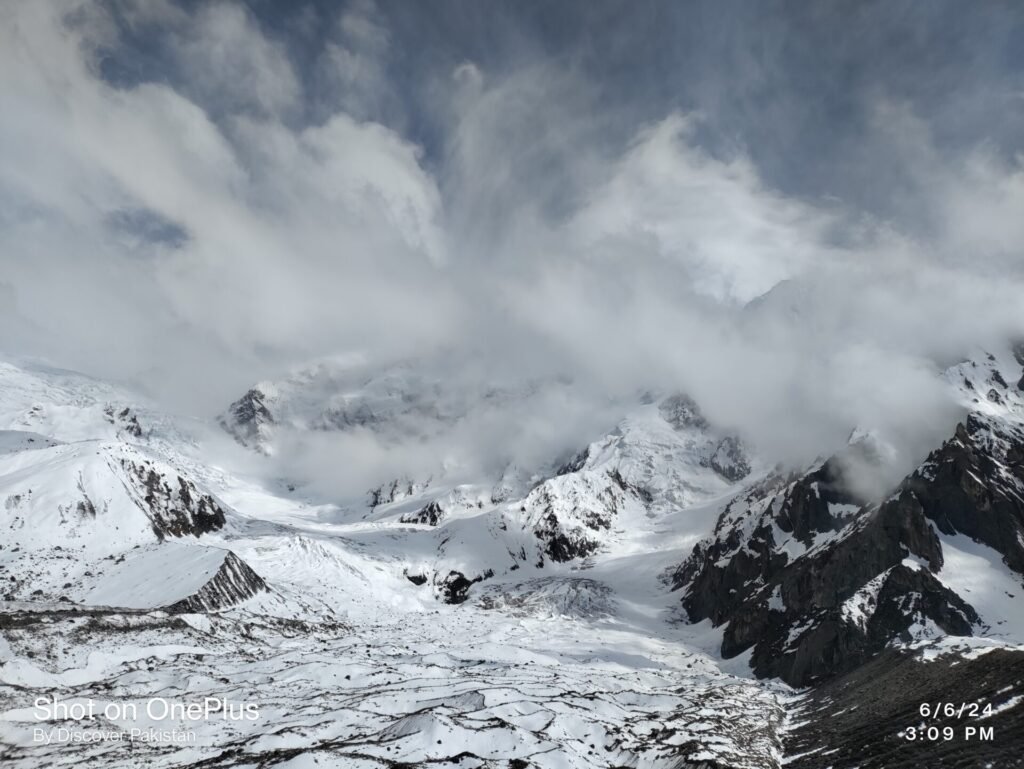
Fairy Meadows is one of the most memorable mountain destinations in northern Pakistan. Located near the base of Nanga Parbat, the world’s ninth-highest mountain, this beautiful alpine meadow is known for its green grasslands, forested slopes, traditional wooden accommodation, and spectacular mountain views.
Reaching Fairy Meadows is part of the adventure. Travelers first drive to the Raikot Bridge area, then take a local jeep along a steep, narrow mountain road to Tato. From Tato, the journey continues on foot along a mountain trail, generally taking around two to three hours depending on walking pace, weather, and trail conditions.
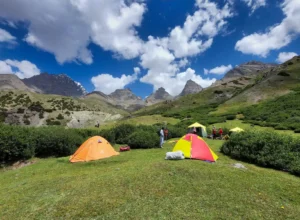
Visitors can stay in local guesthouses or camps and spend time walking through the meadows, photographing Nanga Parbat, and enjoying the peaceful mountain environment. The area also provides opportunities for longer hikes for those with suitable fitness and enough time.
The jeep road and walking trail require care, and conditions can change with the weather. A local guide can help visitors understand the route, arrange transport, and prepare for the hike.
Image suggestion: Use your own photograph of Nanga Parbat viewed from Fairy Meadows, with the caption “Nanga Parbat Viewed from Fairy Meadows, Northern Pakistan.”
Conclusion
A 10 Days Northern Pakistan Tour can combine spectacular mountain scenery, beautiful lakes, traditional valleys, and important historical sites. From exploring the ancient heritage of Taxila to discovering the landscapes of Skardu and enjoying the views of Nanga Parbat from Fairy Meadows, each destination offers a different experience of Pakistan.
The best route depends on your interests, travel dates, road conditions, and whether you prefer sightseeing, cultural experiences, or hiking. Since distances between destinations can be considerable, planning a realistic itinerary is essential.
With thoughtful preparation and some flexibility, a journey through northern Pakistan can become an unforgettable experience of mountains, history, local hospitality, and natural beauty.
Northern Pakistan is a land of wonders, offering a unique blend of natural beauty, rich history, and vibrant culture. From the ancient ruins of Taxila to the towering peaks of the Karakoram Range, every corner of this region has a story to tell. Whether you’re exploring the historical sites, trekking through lush valleys, or simply soaking in the serene landscapes, Northern Pakistan promises an unforgettable journey. So pack your bags, embark on this adventure, and discover the many highlights that make 10 days Northern Pakistan Tour a traveler’s paradise. A 10 Days Northern Pakistan Tour is ideal for discovering selected mountain valleys, cultural attractions, and scenic lakes.”
Frequently Asked Questions (FAQs) “What can you see on a 10 Days Northern Pakistan Tour?”
What is the best time to visit Northern Pakistan?
The best time depends on the destinations you plan to visit. Spring, from April to May, brings blossoms to many valleys, while summer, from June to September, is generally popular for mountain travel, sightseeing, and trekking. Autumn, especially September and October, offers colourful landscapes in many valleys.
High mountain roads and passes can close because of snow, landslides, or other weather conditions. Check local conditions before travelling and allow flexibility in your schedule.
How do you reach Fairy Meadows?
From the Raikot Bridge area on the Karakoram Highway, visitors usually travel by local jeep to Tato village. From there, a mountain trail leads to Fairy Meadows, typically taking around two to three hours on foot.
The trail includes uneven and uphill sections, so suitable footwear, drinking water, and a reasonable level of fitness are recommended. Visitors can stay in local guesthouses or camps and should check current road and trail conditions before departure.
Is Northern Pakistan safe for tourists?
Many travelers visit northern Pakistan for its mountains, culture, and outdoor activities. However, conditions vary by location and season. Before departure, check current travel advisories, local security information, weather forecasts, and road conditions.
For remote mountain journeys, use reliable local transport, carry suitable clothing and supplies, share your itinerary with someone, and consider travelling with an experienced local guide or reputable tour operator. Follow local advice and avoid routes that authorities or guides consider unsafe.
How many days are needed to explore Northern Pakistan?
Ten days can provide a rewarding introduction to selected destinations, but the distances involved mean that you should avoid trying to cover too many valleys in one trip. A longer journey of 12–15 days or more allows additional time for sightseeing, cultural experiences, day hikes, and unexpected travel delays.
Long-distance treks, including K2 Base Camp, require substantially more time and should be planned separately. Travelers interested in less crowded trekking destinations can also explore the Hindukush region of Gilgit-Baltistan, including Yasin and Ishkoman valleys.
Explore the trekking and hiking options offered by Trips Nomad Adventure to find a route that matches your interests and available time.
What local food should you try in Northern Pakistan?
Food is an important part of experiencing the region’s culture. Depending on the area, visitors can try traditional chapshuro, local breads, apricot-based dishes, and regional meat dishes. In Gilgit-Baltistan, traditional foods often feature locally grown grains, dairy products, apricots, and seasonal ingredients.
Food varies between valleys and communities, so ask local hosts about regional specialties. Enjoying a meal in a village or guesthouse, surrounded by mountain scenery, can be one of the most memorable parts of your journey.