Trekking in Hunza Valley is one of the most rewarding adventure travel experiences in Pakistan. Located in the heart of Gilgit-Baltistan, Hunza Valley is surrounded by some of the highest mountains in the world, including Rakaposhi, Ultar Sar and the stunning Ladyfinger Peak. The valley is famous for its dramatic landscapes, glaciers, alpine lakes, welcoming communities, and rich mountain culture.
Hunza Valley has become a top destination for trekking in Pakistan because it offers a wide range of trekking routes suitable for beginners, moderate hikers, and experienced trekkers. From glacier walks to high altitude lakes and base camp adventures, trekking in Hunza Valley provides breathtaking scenery and authentic mountain life. If you are searching for the best trekking destinations in Pakistan, Hunza Valley should be at the top of your list.
This complete guide covers four of the most popular trekking routes in Hunza Valley including the Rakhaposhi Base Camp Trek, Rush Lake Trek, Batura Glacier Trek, and Patundas Trek. Each trek offers a unique experience and highlights why trekking in Hunza Valley is growing rapidly among international adventure travelers.
Why Trekking in Hunza Valley Is So Popular
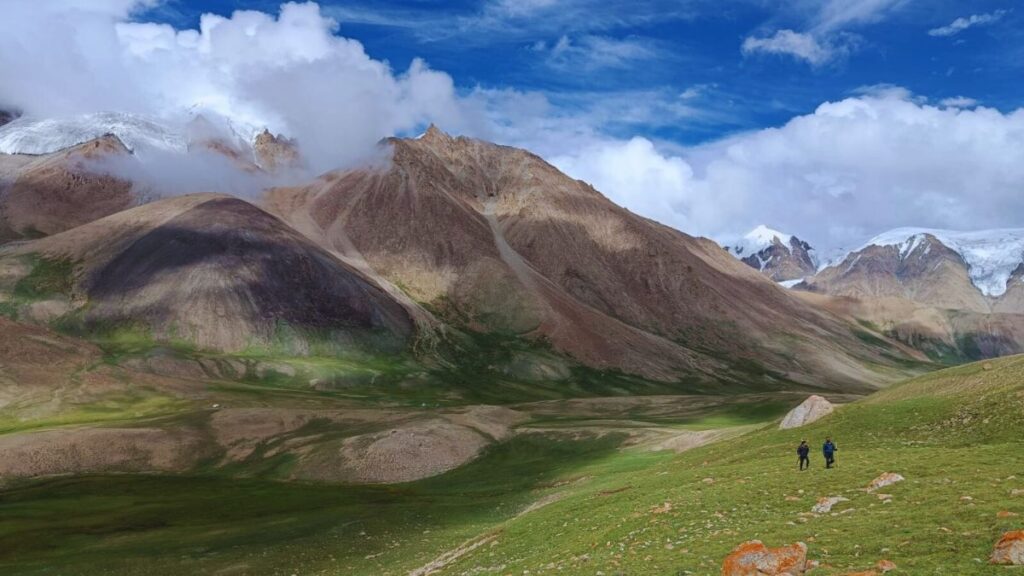
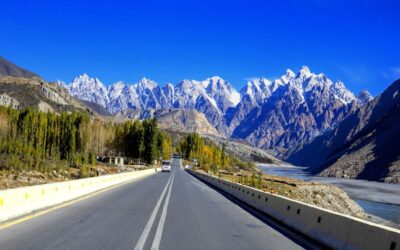
Trekking in Hunza Valley attracts travelers because of its natural beauty and accessibility. The Karakoram Highway connects Hunza with major cities like Islamabad and Gilgit, making it easier for trekkers to reach remote mountain regions. The valley combines high peaks, long glaciers, green pastures, and traditional villages in one destination.
Another reason trekking in Hunza Valley is popular is the diversity of landscapes. Within a short distance, you can move from cultivated orchards and apricot trees to rocky glaciers and high alpine lakes. The trekking routes are well known for their panoramic views of snow covered mountains and clear skies during the trekking season.
The best time for trekking in Hunza Valley is from May to September. During these months, the weather is relatively stable, trails are open, and the mountain views are clear. Spring and summer are especially beautiful when wildflowers bloom across the meadows.
Trekking to Rakhaposhi Base Camp
The Rakhaposhi Base Camp Trek is one of the most iconic routes for trekking in Hunza Valley. Rakhaposhi stands at 7788 meters and is one of the most magnificent peaks in the Karakoram Range. The trek begins from Minapin Village in Nagar Valley and gradually ascends through forests, meadows, and glacier viewpoints.
Trekking in Hunza Valley on this route usually takes four to seven days depending on the itinerary. The trail passes through Hapakun Campsite and continues toward Rakhaposhi Base Camp. As you climb higher, the views become more dramatic with hanging glaciers and steep rock faces dominating the landscape.
This trek is considered moderate to challenging due to steep sections and altitude gain. However, it is one of the most rewarding trekking experiences in Hunza Valley because the base camp offers a close and powerful view of Rakhaposhi Peak. Sunrise and sunset at the base camp are unforgettable moments for trekkers and photographers.
Trekking in Hunza Valley to Rakhaposhi Base Camp is ideal for those who want a true mountain adventure without requiring technical climbing skills.
Trekking to Rush Lake Trek
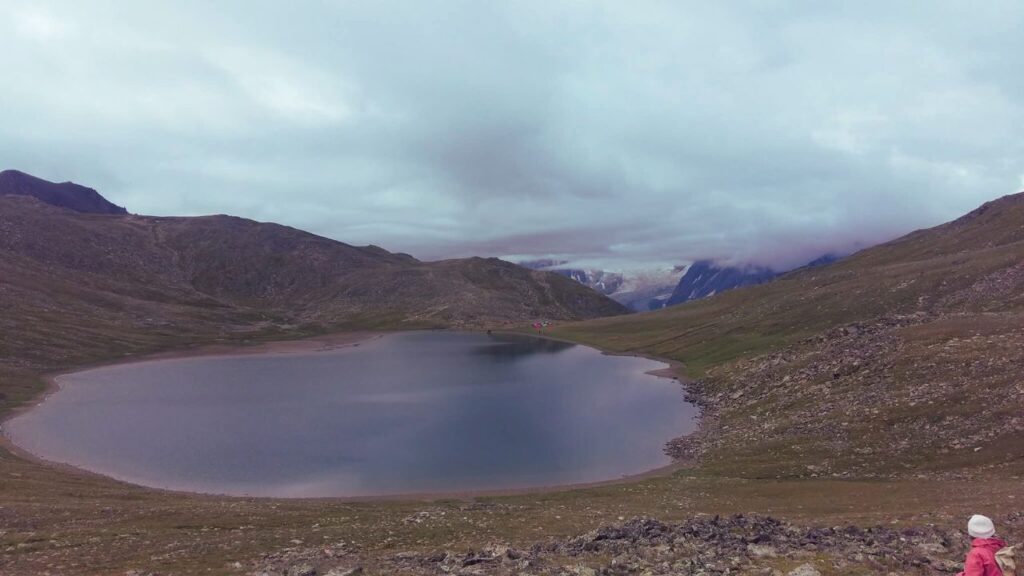
The Rush Lake Trek is another remarkable adventure for those interested in trekking in Hunza Valley. Rush Lake is located at an altitude of over 4600 meters and is considered one of the highest alpine lakes in the world. The trek usually starts from Nagar Valley and takes five to eight days to complete.
Trekking in Hunza Valley on the Rush Lake route offers stunning views of peaks such as Spantik and Malubiting. The trail includes steep climbs, high passes, and glacier crossings. Due to its altitude, this trek is recommended for experienced trekkers who are comfortable with long hiking days and basic camping conditions.
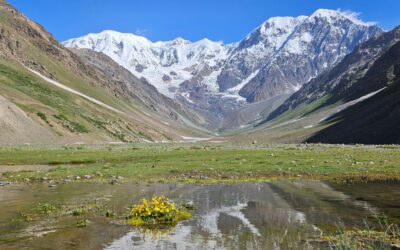
The highlight of trekking in Hunza Valley on this route is reaching Rush Lake itself. The lake reflects the surrounding snow covered peaks, creating a peaceful and dramatic environment. Camping near the lake gives trekkers a rare opportunity to experience silence and untouched wilderness.
Proper acclimatization is important on this trek because of the high elevation. Hiring local guides and porters is recommended to ensure safety and a smooth trekking experience.
Trekking to the Batura Glacier Trek
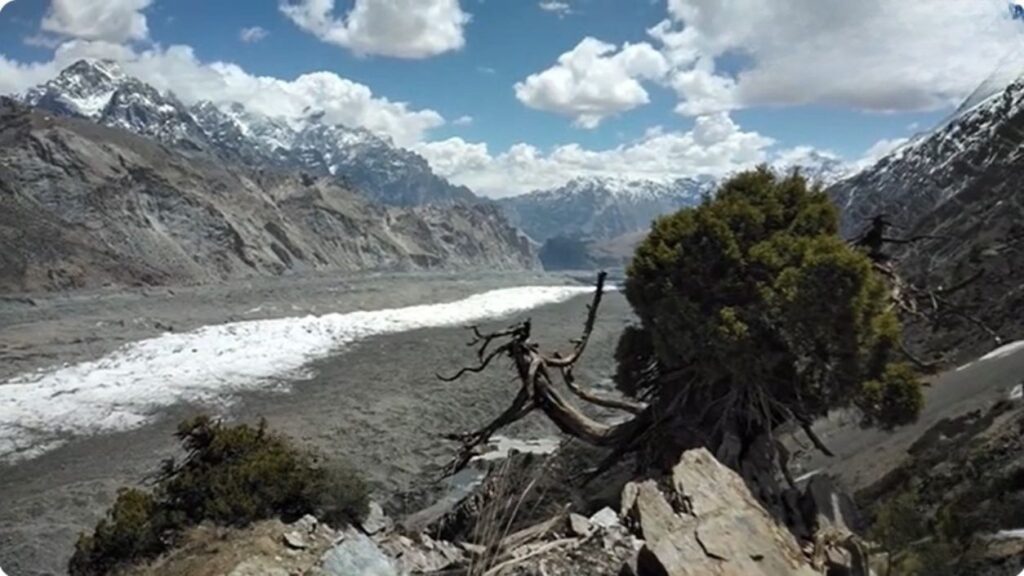
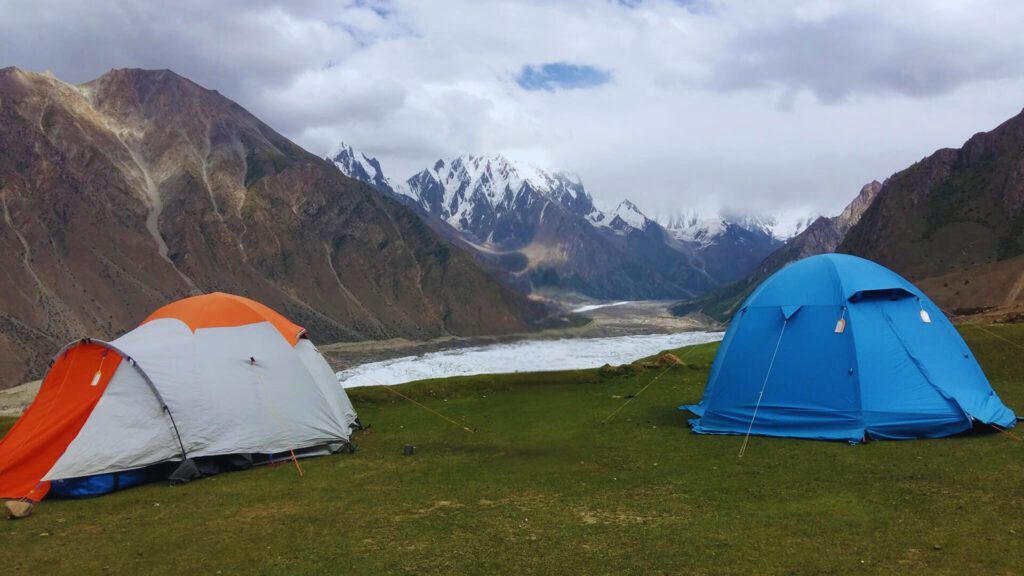
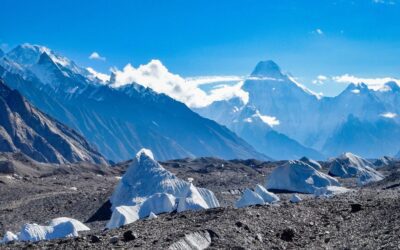
The Batura Glacier Trek is one of the most impressive glacier trekking experiences in Pakistan. Batura Glacier is among the longest glaciers outside the polar regions. Trekking in Hunza Valley along the Batura Glacier allows travelers to explore massive ice formations, moraines, and dramatic mountain scenery.
The trek usually starts from Passu or Batura Village in Upper Hunza and lasts six to nine days. The route runs alongside the glacier rather than directly on ice most of the time, which makes it accessible for non technical trekkers.
Trekking in Hunza Valley on the Batura Glacier route offers views of several high peaks including Batura Sar. The landscape here feels wild and untouched, with towering ice walls and glacial streams flowing through rocky terrain.
This trek is suitable for adventurous hikers who want to experience remote landscapes and long walking days. It is less crowded compared to other trekking routes, making it perfect for travelers seeking solitude in nature.
Patundas Trek
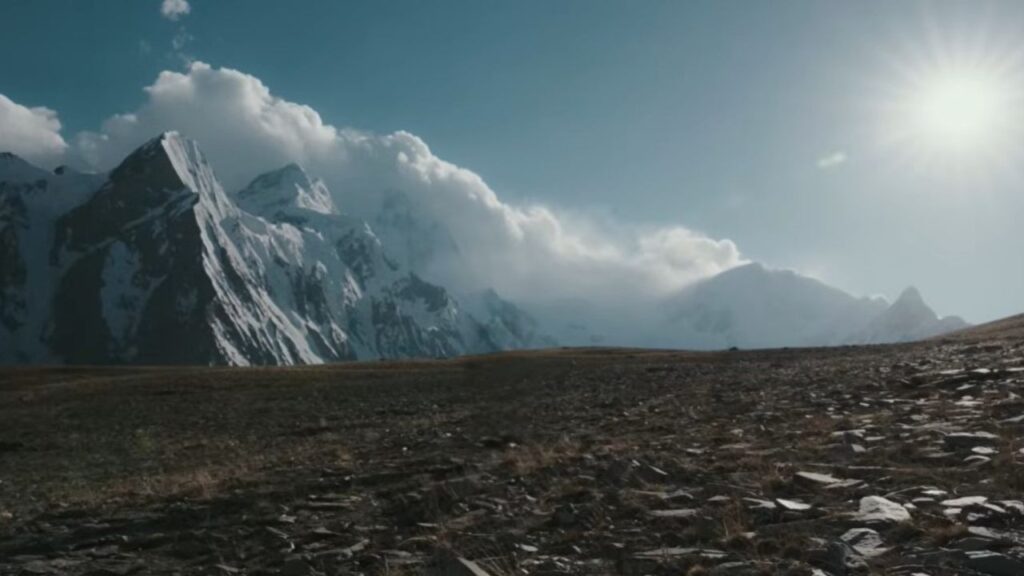
The Patundas Trek is often described as a hidden gem for trekking in Hunza Valley. This trek connects the villages of Upper Hunza and offers spectacular views of Passu Cones and surrounding glaciers. It is generally shorter than the Rush Lake or Batura Glacier treks and can be completed in three to five days.
Trekking in Hunza Valley on the Patundas route provides panoramic viewpoints of mountains and valleys. The trail includes steep climbs but rewards trekkers with wide open landscapes and scenic campsites.
Patundas is suitable for moderately fit hikers who want a high altitude trekking experience without committing to a longer expedition. It is also an excellent option for photographers and adventure travelers exploring Hunza on a limited schedule.
Essential Travel Tips
When planning trekking in Hunza Valley, preparation is important. Trekkers should carry proper hiking boots, warm clothing, a sleeping bag suitable for cold weather, and essential medical supplies. Even during summer, temperatures can drop significantly at higher altitudes.
Hiring experienced local guides enhances the trekking experience in Hunza Valley. Local guides understand the terrain, weather patterns, and cultural customs. They also help support the local economy.
Travel insurance that covers high altitude trekking is highly recommended. Acclimatization days should be included in longer treks to reduce the risk of altitude sickness.
Conclusion
Hunza Valley offers a perfect combination of adventure, culture, and breathtaking mountain landscapes. Whether you choose the Rakhaposhi Base Camp Trek, the high altitude Rush Lake Trek, the dramatic Batura Glacier Trek, or the scenic Patundas Trek, each route provides a unique and unforgettable journey.
For anyone searching for the best trekking in Pakistan, high altitude hiking experiences, or adventure travel in Gilgit-Baltistan, trekking in Hunza Valley remains one of the most rewarding choices. The valley’s natural beauty, welcoming communities, and diverse trekking routes continue to attract explorers from around the world.
Frequently Asked Questions About Trekking in Hunza Valley
What is the best time for trekking in Hunza Valley?
The best time for trekking in Hunza Valley is from May to September. During this period, weather conditions are stable, trails are accessible, and mountain views are clear.
Is trekking in Hunza Valley safe for tourists?
Yes, trekking in Hunza Valley is generally safe for tourists. The region is known for its hospitality and peaceful environment. Hiring local guides and following safety guidelines further ensures a secure experience.
Do I need a guide for trekking in Hunza Valley?
While some short treks can be done independently, hiring a guide for trekking in Hunza Valley is recommended, especially for high altitude routes like Rush Lake and Batura Glacier.
What fitness level is required for trekking in Hunza Valley?
Moderate fitness is required for most trekking routes in Hunza Valley. High altitude treks such as Rush Lake demand good stamina and prior trekking experience.
How do I reach Hunza Valley for trekking?
Hunza Valley can be reached by road from Islamabad via the Karakoram Highway or by flight to Gilgit followed by a drive to Hunza. Proper travel planning is essential during peak trekking season.

0 Comments