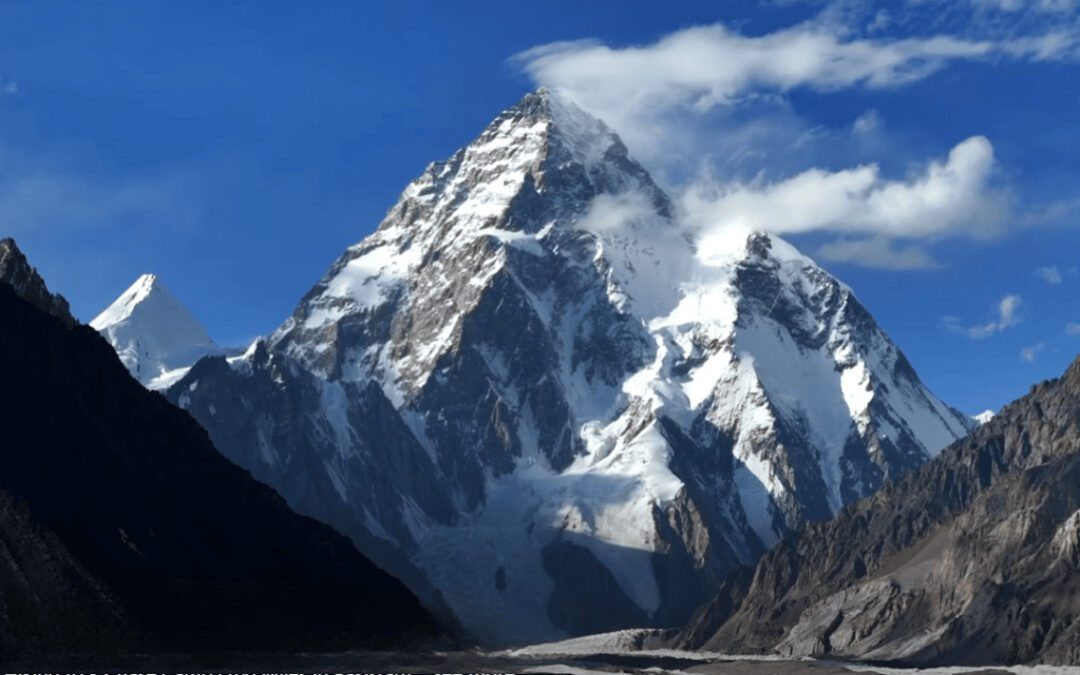
Pakistan, a country that rarely tops mainstream travel bucket lists, yet quietly shelters some of the most breathtaking landscapes, warmest people, and richest civilizations on the planet. If you’ve been scrolling through travel content and wondering whether Pakistan deserves a spot on your itinerary, the answer is a resounding yes. From the second-highest mountain on Earth to turquoise lakes that look computer-generated, this South Asian gem is long overdue for its moment in the global spotlight. The Most Beautiful Places to Visit in Pakistan is your perfect guide find the best holiday destination.
Table of Contents
In this ultimate travel guide, we’ll walk you through the most beautiful places to visit in Pakistan — including well-loved classics and off-the-beaten-path wonders that most tourists never find. Whether you’re planning a two-week adventure or dreaming from your couch, consider this your most comprehensive starting point. Read this post about Top Tourist Destinations in Pakistan.
Why Pakistan Should Be on Every Traveler’s Radar
Let’s address the elephant in the room first: Pakistan has a complicated image problem. Decades of selective media coverage have convinced many potential travelers that the country is inaccessible or unsafe. The reality on the ground tells a very different story.
Pakistan is home to five of the world’s 14 eight-thousanders (mountains above 8,000 meters), more ancient UNESCO World Heritage Sites than most European countries, and landscapes so diverse they span arctic glaciers, subtropical forests, Arabian Sea coastlines, and the sweeping plains of the Indus Valley, all within the same borders.
Tourism in Pakistan has been surging in recent years. Young Pakistani travelers, social media creators, and international adventure seekers have all helped shine a light on places that were previously unknown outside specialist circles. Local infrastructure, roads, guesthouses, tour operators, has improved dramatically, particularly in the northern regions.
In short: the world is just beginning to discover what Pakistanis have always known. Now is the perfect time to visit, before the crowds arrive.
The Northern Highlights: Where Mountains Meet Magic
1. Hunza Valley—Pakistan’s Crown Jewel
If you ask any seasoned traveler to name one place in Pakistan they’d return to without hesitation, most will say Hunza Valley. Nestled deep in the Gilgit-Baltistan region at altitudes between 2,400 and 4,700 meters, Hunza is the kind of place that changes you.
The valley is framed by towering giants, Rakaposhi (7,788m), Ultar Sar (7,388m), and Lady Finger Peak (6,000m), whose snow-capped flanks glow pink and gold at sunrise. In spring (late March to early May), thousands of cherry, apricot, and peach trees erupt into bloom simultaneously, blanketing the valley in shades of white and pink against a backdrop of brown cliffs and blue sky. It’s among the most photographed natural spectacles in Asia.
Attabad Lake is arguably Hunza’s most dramatic feature. Formed in 2010 after a massive landslide dammed the Hunza River, this 21-km long lake is an electric shade of turquoise that looks entirely surreal against the surrounding rocky mountains. Boat rides are cheap, the water is impossibly clear, and the contrast of colors makes every photo look artificially enhanced.
The town of Karimabad serves as the valley’s cultural and commercial hub. Its narrow lanes are lined with apricot vendors, traditional craft shops, and tea stalls where you can linger for hours. Above the town, Baltit Fort (a UNESCO World Heritage Site) and Altit Fort both offer panoramic views and a deep dive into Hunza’s 900-year history.
For the best view in the valley, hike or drive up to Eagle’s Nest at dusk. The panorama of snow peaks glowing orange in the fading light is something that photographs simply cannot do justice.
- Best Time to Visit: Late March to May (blossom season) or September to October (clear skies, golden foliage)
- How to Get There: Fly Islamabad to Gilgit, then drive ~2 hours; or take the legendary Karakoram Highway by road from Islamabad (~14 hours)
- Don’t Miss: Attabad Lake boat ride, Baltit Fort, Eagle’s Nest sunset, Hoper Glacier day hike
2. Skardu—The Gateway to the Roof of the World
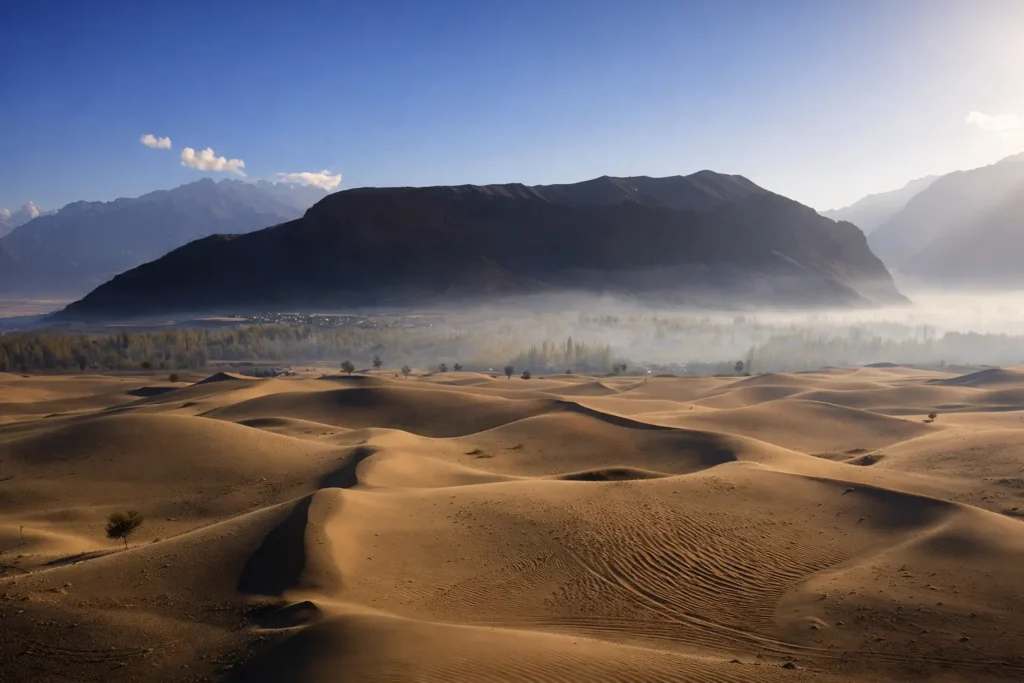
If Hunza is Pakistan’s crown jewel, Skardu is its beating heart of high-altitude adventure. Perched at 2,228 meters above sea level in the Baltistan region, Skardu is the launching pad for some of the world’s most ambitious mountaineering expeditions, including attempts on K2, the savage and unpredictable second-highest mountain on Earth.
But Skardu is far more than a base camp town. The surrounding landscape is vast, arid, and otherworldly, think wide river valleys carved by glaciers, sand dunes that appear impossibly in the middle of high-altitude desert, and lakes so still and reflective they look like mirrors laid flat on the earth.
Satpara Lake sits just south of Skardu town, its dark blue waters surrounded by rocky hills. It’s a peaceful spot for morning walks or boat rides. Further afield, Shangrila Resort (popularly called “Heaven on Earth”) sits at the edge of Lower Kachura Lake, a setting so postcard-perfect it’s been featured in countless Pakistani travel campaigns.
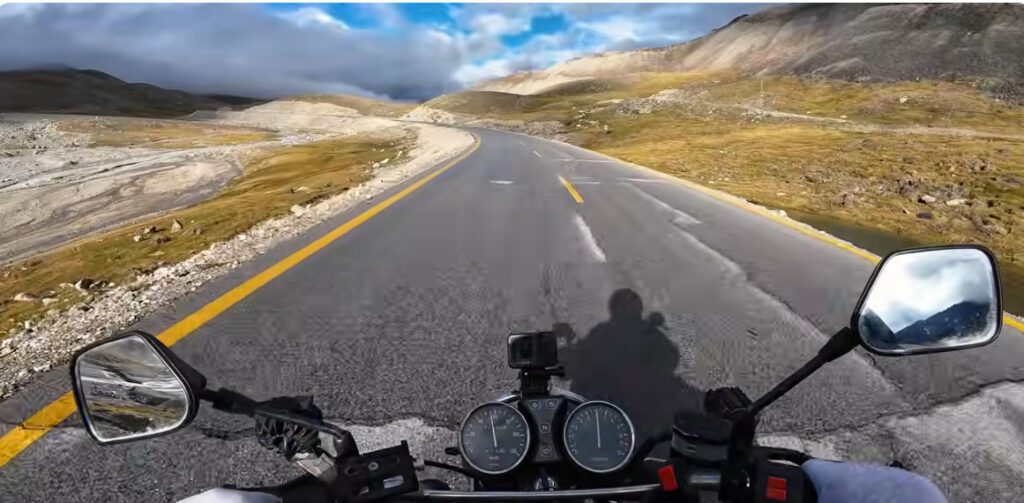
For those with a sense of adventure, Deosai National Park is one of Pakistan’s greatest natural wonders. At an average elevation of over 4,000 meters, it’s one of the highest plateaus on Earth. In summer, the plateau transforms into a vast wildflower meadow, carpeted in yellows, purples, and whites, and home to the rare Himalayan brown bear, Marco Polo sheep, and golden marmots. The drive across Deosai is one of the most exhilarating road journeys in the world.
- Best Time to Visit: June to September
- How to Get There: Daily flights from Islamabad (highly recommended; road takes 18+ hours)
- Don’t Miss: Deosai National Park in July (wildflower season), K2 Base Camp trek (requires permit and guide), Satpara Lake sunrise
3. Swat Valley—The Switzerland of Pakistan
Locals and travel writers alike have called Swat Valley the “Switzerland of Pakistan,” and while every country seems to have a region with that nickname, Swat genuinely earns it. Lush green terraced hillsides, rushing emerald rivers, snow-dusted peaks above the tree line, and a cool, misty climate combine to create a valley that feels distinctly Alpine.
Swat sits in Khyber Pakhtunkhwa province, a few hours drive from Peshawar. The valley has a layered history, it was once the heartland of the ancient Gandhara civilization, and Buddhist relics and stupas are scattered throughout the landscape, offering a remarkable counterpoint to its natural beauty.
Malam Jabba is one of Pakistan’s premier ski destinations, with the country’s largest ski resort (recently modernized with chairlifts and improved facilities) sitting at around 2,800 meters. In winter, the snow coverage is reliable; in summer, the meadows make for beautiful hiking.
The Ushu Forest near Kalam is one of the most stunning cedar and pine forests in the country, walking through it feels ancient and cathedral-like, the tall trees filtering green light down onto the mossy ground. The river at Mahodand Lake, about 35 km beyond Kalam, is another jewel: a high-altitude lake surrounded by wildflower meadows and grazing horses, reachable by jeep track.
- Best Time to Visit: March to June (spring greenery), November to February (skiing)
- How to Get There: Drive from Islamabad (~4–5 hours) or Peshawar (~2–3 hours)
- Don’t Miss: Ushu Forest walk, Malam Jabba ski resort, Mahodand Lake, Buddhist archaeological sites near Mingora
4. Fairy Meadows & Nanga Parbat—The Naked Mountain
If you want to stare directly into the face of one of the world’s most fearsome mountains, Fairy Meadows is your destination. Perched at 3,300 meters, this alpine meadow offers one of the most dramatic mountain views on Earth: the near-vertical 4,600-meter Rupal Face of Nanga Parbat (8,126m) rising directly from the valley floor just a few kilometers away.
The approach itself is an experience. After a white-knuckle jeep ride up one of the world’s most terrifying mountain roads, you hike about 3–5 hours through pine forests before the meadow opens up before you. Simple wooden guesthouses and camping spots let you stay overnight, and the pre-dawn hours, when Nanga Parbat’s summit glows orange before the sun reaches the valley, are absolutely unforgettable.
- Best Time to Visit: May to September
- Difficulty: Moderate hike (3–5 hours one way)
- Don’t Miss: Pre-dawn summit glow, Beyal Camp higher up for even closer views
5. Ghizer Valley—Pakistan’s Best-Kept Secret
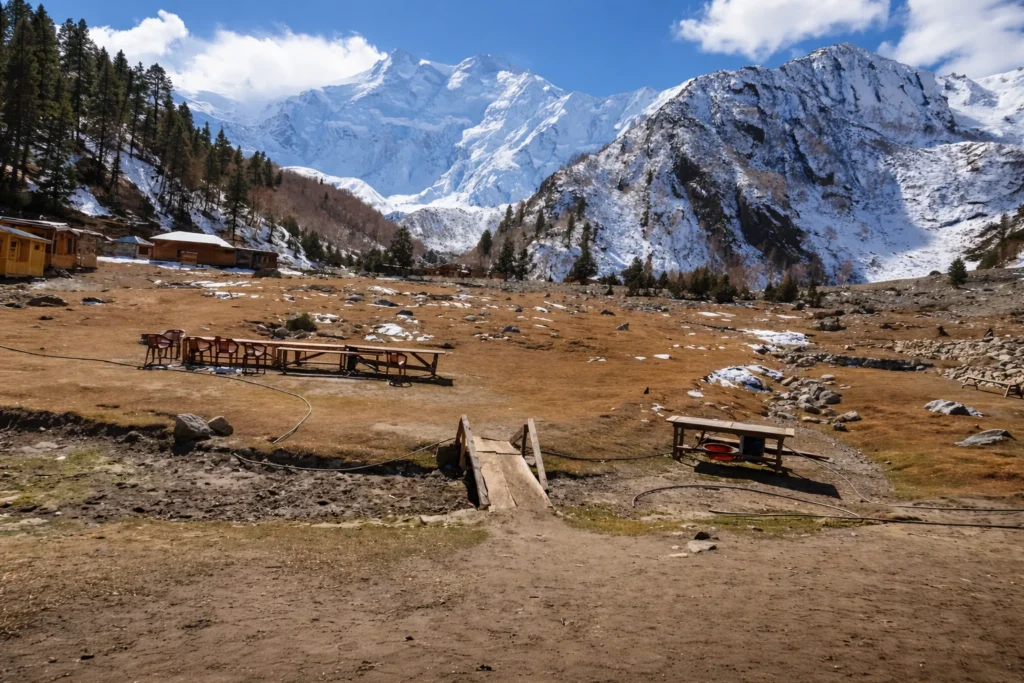
While Hunza and Skardu dominate the travel conversation, those in the know quietly redirect attention to Ghizer Valley — a sweeping corridor of untouched landscapes in Gilgit-Baltistan that remains blissfully free of the crowds gathering elsewhere.
Ghizer stretches along the Ghizer River, with three distinct sub-valleys each offering something unique:
Ishkoman Valley is characterized by wide, braided river flats hemmed in by dramatic rock walls. The villages here maintain traditional lifestyles largely unchanged by tourism, and trekking routes wind through landscapes that see almost no foreign visitors. Orchards, small mosques, and carved wooden architecture give Ishkoman a timeless quality.
Yasin Valley pushes further into the mountains and offers access to the spectacular Yasin Glacier, one of the longest glaciers in the region. The valley’s isolation has preserved both its ecosystem and its culture, Yasin is one of the last strongholds of the Burushaski language. The people here are famously hospitable, and impromptu invitations to family homes for tea (or full meals) are common.
Phander Valley is Ghizer’s showstopper. Phander Lake, a turquoise ribbon of water set against snow-capped peaks with pine forests tumbling down the hillsides, is arguably one of the most beautiful lakes in all of Pakistan, and it receives only a fraction of the visitors that Attabad does. The reflection of the mountains on calm mornings is absolutely mesmerizing.
- Best Time to Visit: May to September
- Getting There: Drive from Gilgit (~3–5 hours depending on destination)
- Don’t Miss: Phander Lake at dawn, Yasin Glacier trekking, Ishkoman village walks
The Hill Stations: Escaping the Heat in Style
6. Murree—The Classic Pakistani Escape
Few places in Pakistan evoke nostalgia quite like Murree. Established as a hill station by the British colonial administration in the 1850s, Murree has been the preferred summer retreat of Pakistani families for generations. At 2,291 meters above sea level, it sits about 70 km northeast of Islamabad in the Pir Panjal Range.
Mall Road is the beating heart of Murree’s social scene, a pedestrianized strip lined with bakeries selling famous Murree bread, souvenir shops, ice cream stalls, and vendors selling fresh corn. It’s best experienced at dusk, when the mountain air cools and families stroll in the golden light.
Patriata (New Murree) offers Pakistan’s only operational chairlift and cable car system, providing aerial views over thick pine forests and distant ridgelines. It’s a favorite with families and couples alike.
For those willing to hike, the forests around Pindi Point and Kashmir Point offer short trails with panoramic views toward the plains below on clear days.
- Best Time to Visit: April to June and September to October (cooler, clearer)
- How to Get There: About 1.5 hours by car from Islamabad
- Don’t Miss: Mall Road evening walk, Patriata chairlift, fresh Murree bread and honey
7. Nathia Gali & Ayubia—The Quieter Alternative
If Murree feels too crowded (it often does on peak weekends), the twin hill stations of Nathia Gali and Ayubia, just a short drive further into the Galyat range, offer similar beauty with a much more relaxed atmosphere. Dense oak and rhododendron forests, misty mornings, and trout streams make these spots beloved by hikers and writers seeking quiet inspiration.
The Ayubia National Park chairlift and the Mushkpuri Top trek (offering 360° views from 2,800m) are highlights of the area.
The Southern Frontier: Coastlines and Ancient Civilizations
8. Gwadar—Balochistan’s Coastal Jewel
Pakistan’s coastline stretches over 1,000 km along the Arabian Sea, and much of it remains extraordinarily undeveloped. The most compelling coastal destination is Gwadar, a port city in Balochistan that sits dramatically on a hammerhead peninsula jutting into deep blue waters.
Gwadar is currently undergoing massive development as part of the China-Pakistan Economic Corridor (CPEC), but its natural beauty remains largely intact. The dramatic Hammerhead Point at sunset, where you can simultaneously watch the sun drop into the sea on one side and watch fishing boats return to harbor on the other is genuinely spectacular.
The broader Makran Coastal Highway, which runs from Karachi to Gwadar, is one of the world’s great coastal drives. Stretching 700 km along mostly deserted beaches and dramatic sea cliffs, it passes natural rock formations that look as if a sculptor spent centuries carving them.
Hingol National Park, Pakistan’s largest national park at 6,100 sq km, sits along this highway. It’s home to unique rock formations including the famous Princess of Hope (a naturally carved rock silhouette resembling a standing woman) and the Sphinx of Pakistan, as well as important nesting sites for sea turtles.
- Best Time to Visit: November to March (avoid summer heat)
- Don’t Miss: Hammerhead Point sunset, Makran Coastal Highway drive, Hingol National Park
9. Lahore—Where History Breathes
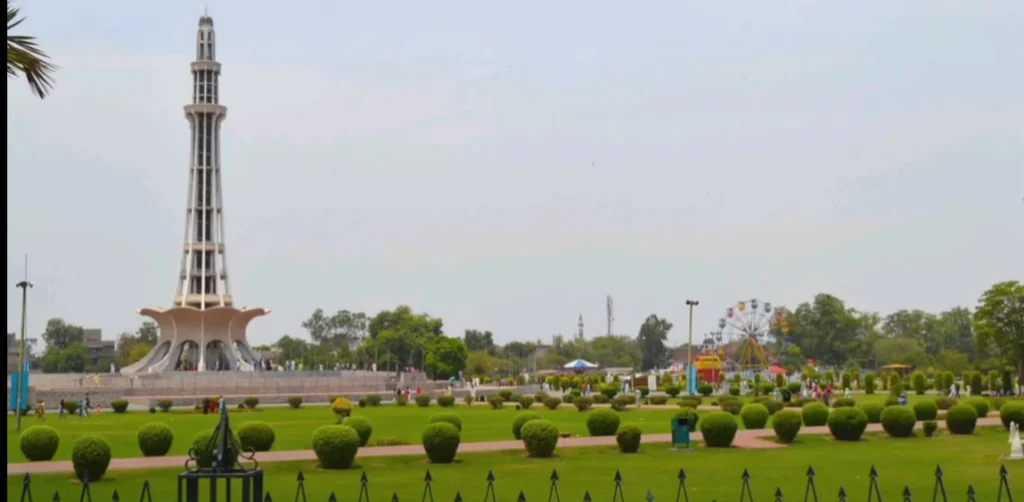
No travel guide to Pakistan is complete without Lahore, the country’s cultural capital, its food city, and arguably its most historically layered destination. Lahore’s Walled City is a labyrinthine UNESCO-recognized old town where Mughal architecture, Sikh heritage, and colonial-era buildings press against each other in a dense, intoxicating mixture.
The Badshahi Mosque (one of the largest mosques in the world), the Lahore Fort, and the ornate Wazir Khan Mosque with its breathtaking tile-work interior are all within walking distance of each other. At sunset, climbing to the rooftop of a restaurant near the Badshahi Mosque and watching the city’s domes and minarets glow in the fading light is a memory that stays with you.
Lahore’s Food Street near Gawalmandi is one of the great culinary experiences in South Asia, a long street of outdoor tables serving grilled meats, rich nihari (slow-cooked beef stew), crispy samosas, and endless variations of biryani until the early hours of the morning.
- Best Time to Visit: October to March
- Don’t Miss: Badshahi Mosque, Lahore Fort and Sheesh Mahal, Food Street, Wazir Khan Mosque
10. Mohenjo-daro—Walking Through 5,000 Years of History
For travelers with a passion for archaeology and ancient history, Mohenjo-daro in Sindh province is one of the world’s most significant sites. One of the largest urban centers of the ancient Indus Valley Civilization (flourishing around 2500–1900 BCE), Mohenjo-daro was among humanity’s first planned cities, featuring a sophisticated grid layout, advanced drainage systems, and multi-story buildings that predate many European urban centers by millennia.
The site is a UNESCO World Heritage designation holder and, despite being remote (near Larkana in interior Sindh), it rewards the journey completely. Walking through the ruins of the Great Bath, the granary, and the residential quarters produces a profound sense of time’s depth.
- Best Time to Visit: November to February
- Getting There: Fly to Mohenjo-daro Airport (limited flights) or drive from Larkana
Essential Travel Tips for The Most Beautiful Places to Visit in Pakistan
Getting Around
Pakistan’s Karakoram Highway (KKH), connecting Islamabad to the Chinese border via Hunza, is not just a road; it’s a destination in itself. Called the 8th Wonder of the World by some, it took 20 years to build and cuts through some of the most vertiginous mountain terrain on Earth. Renting a car with a local driver or joining a road trip group is highly recommended for the northern leg.
For long distances, domestic flights (PIA and local carriers) connect Islamabad to Gilgit, Skardu, and other key northern destinations, often the only practical option in winter. Intercity coach buses are comfortable and affordable for routes like Islamabad–Lahore or Lahore–Karachi.
Where to Stay
Accommodation in Pakistan spans from ultra-basic village guesthouses (charging as little as $5–10 per night) to upscale boutique hotels in Hunza and Islamabad. PTDC (Pakistan Tourism Development Corporation) motels are reliably clean and located at key points along popular routes. For the northern valleys, booking ahead in July–August is essential, as capacity is limited.
Food and Water
Pakistani food is extraordinary, and deeply underrated on the world stage. Some essentials you must try:
- Chapli kebab from Khyber Pakhtunkhwa: a flat, herb-packed minced meat patty cooked on a tawa
- Karahi (wok-cooked meat or chicken in tomato-based gravy)
- Daal chawal (lentils and rice), a cheap, delicious staple everywhere
- Fresh apricots, walnuts, and mulberries in Hunza (in season)
- Lahori nihari and paya for late-night dining
For water, stick to bottled or filtered water, especially in rural areas. In the north, many springs and rivers provide clean water, but always check with locals first.
Safety Considerations
Pakistan is considerably safer than its international reputation suggests, particularly in tourist areas. However, travel advisories do apply to some border regions and parts of Balochistan and KP, always check your country’s official travel advisory and register your trip before departing. In the popular tourist routes of the north (KKH, Hunza, Skardu, Swat), international travelers move freely and report very positive experiences.
Travel insurance that covers high-altitude trekking is strongly recommended for northern adventures. We recommend you SafetyWing Travel Insurance on the basis of our clients feedback and experiences in the past.
Respecting Local Culture
Pakistan is a predominantly Muslim country with a conservative social culture in many regions, particularly outside major cities:
- Dress modestly (shoulders and knees covered is a safe baseline; women should carry a headscarf)
- Ask permission before photographing people, especially women
- Remove shoes before entering mosques and many homes
- Alcohol is not available (legally) outside of major international hotels
- Ramadan will affect restaurant hours and the general atmosphere, plan accordingly
The warmth and hospitality of Pakistani people is genuinely exceptional. Accepting offers of tea, engaging with locals, and showing curiosity about culture and food will almost always lead to your most memorable travel moments.
Best Time to Visit Pakistan: A Month-by-Month Overview
| Month | Northern Areas | Central Pakistan | South/Coast |
|---|---|---|---|
| January–February | Heavy snow; road closures | Cool, pleasant | Best for Karachi/Gwadar |
| March–April | Blossom season begins | Spring warmth | Still comfortable |
| May–June | Peak beauty; roads open | Getting hot | Too hot |
| July–August | Monsoon in foothills; good in high valleys | Monsoon rains | Avoid |
| September–October | Clear skies; golden foliage | Pleasant | Comfortable |
| November–December | Snow arrives; roads begin closing | Cool and clear | Best for south |
Overall best window for most travelers: April–May or September–October
Frequently Asked Questions About Visiting Pakistan
Is Pakistan safe for tourists?
Popular tourist routes, particularly in northern Pakistan, are generally safe for international visitors. Millions of domestic tourists travel these routes every year. Always check current government travel advisories and register your itinerary with your country’s embassy.
Do I need a visa to visit Pakistan?
Most nationalities require a visa. Pakistan has made significant progress on e-visas, which are now available to citizens of over 50 countries and can be obtained online before departure. Check the National Database & Registration Authority (NADRA) website for current requirements.
Is Pakistan expensive to travel?
Pakistan is one of the more affordable destinations in Asia. Budget travelers can manage comfortably on $25–40/day; mid-range travel (decent guesthouses, local transport, restaurant meals) runs about $50–80/day.
Do I need permits for trekking?
Yes, certain treks, particularly to K2 Base Camp and other restricted zones, require permits obtained through the Tourism Corporation of Pakistan or registered local tour operators. Many treks in the northern valleys do not require permits, but always verify before you go.
Can I travel independently or do I need a tour group?
Independent travel is absolutely possible in Pakistan, and many experienced travelers prefer it. However, for high-altitude treks, remote areas of Balochistan, or complex multi-region itineraries, hiring a local guide adds both safety and richness to the experience.
Final Thoughts: The Journey You’ve Been Waiting For
Pakistan is one of travel’s great remaining surprises, a country of extraordinary beauty that still surprises most visitors with the gap between expectation and reality. The mountains are more dramatic than you imagined. The food is more delicious than you read. The people are kinder than any travel article can adequately capture.
The world is catching on. Social media, adventure tourism growth, and a new generation of Pakistani creators sharing their homeland have started shifting the narrative. But for now, you can still reach Fairy Meadows and find yourself nearly alone beneath Nanga Parbat’s face. You can still wander through Hunza’s blossom season without navigating tourist infrastructure. You can still sit in a Lahore food street eating freshly grilled chapli kebab at midnight and feel like you’ve stumbled into something real and undiscovered.
At Tips Nomad, we believe the best travel experiences are the ones that genuinely change your perspective. Pakistan will do that. Pack your bags accordingly.

0 Comments