
Traveling through historical and archaeological sites allows us to understand how human civilization developed across continents. From ancient cities and sacred temples to forgotten kingdoms and trade centers, these destinations tell stories of innovation, belief systems, and cultural exchange. This guide explores some of the most fascinating historical sites across Asia, Europe, Africa, and the Americas, helping history lovers discover where these sites are located, why they matter, and what makes them worth visiting.
South Asia–Cradle of Early Urban Civilization
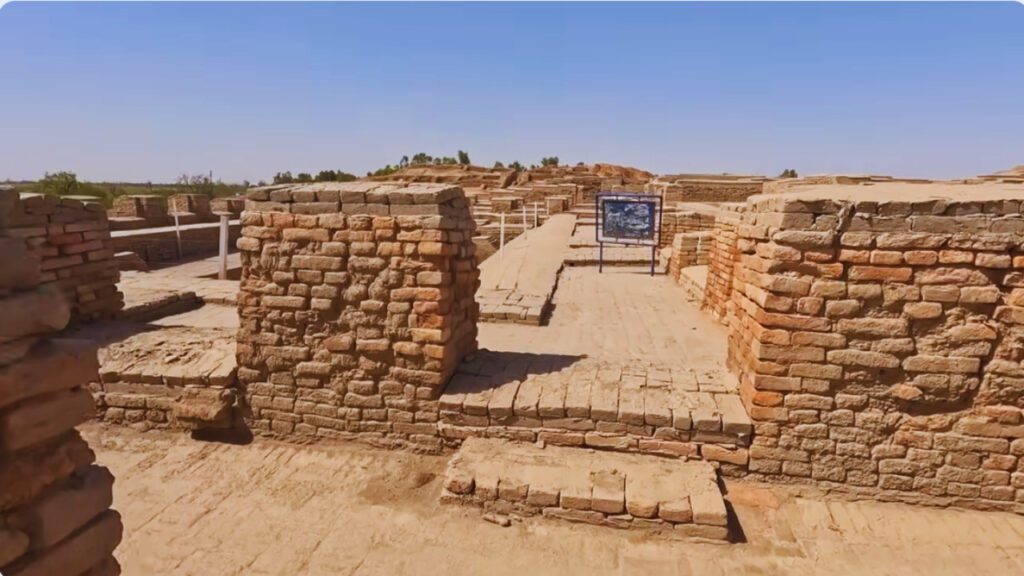
Pakistan is located in South Asia on the Asian continent and is one of the most historically rich countries in the world. It was home to some of the earliest planned cities and later became a center for Buddhism, trade, and early Islamic culture.
Mohenjo-daro: Historical and Archaeological Sites
Mohenjo-daro is one of the oldest known cities in the world, built around 2500 BCE. Located in Sindh, Pakistan, this site belonged to the Indus Valley Civilization. The city shows advanced planning with straight streets, brick houses, drainage systems, and public buildings. The Great Bath suggests social or ritual importance. Mohenjo-daro proves that people had organized urban life thousands of years ago. Visiting this site gives a deep understanding of early human intelligence and cooperation.
Harappa
Harappa is another major Indus Valley city located in Punjab, Pakistan. Excavations revealed granaries, seals, tools, and residential areas, showing strong trade systems and social organization. Harappa helps historians understand early governance, craftsmanship, and economic life. The city’s standardized construction reflects planning and unity. It is a key destination for archaeology lovers interested in the origins of civilization.
Taxila
Taxila, near Islamabad, was a major center of learning in ancient times. Located in Pakistan, Asia, it flourished under the Gandhara Civilization and attracted students from across the region. Taxila played a vital role in spreading Buddhism along the Silk Road. The ruins include monasteries, stupas, and universities. It shows how knowledge, religion, and culture traveled across continents.
Takht-i-Bahi
Takht-i-Bahi is a UNESCO World Heritage Site in Khyber Pakhtunkhwa, Pakistan. Built on a hilltop, this Buddhist monastery dates back to the 1st century CE. Its location protected it from invasions, making it one of the best-preserved Buddhist complexes in the region. The site reflects monastic life, meditation practices, and religious devotion. It offers a peaceful and meaningful experience for cultural travelers.
Banbhore
Banbhore is an ancient port city near the Arabian Sea in Sindh, Pakistan. The site has layers of history including Buddhist, Hindu, and early Islamic periods. It was once a major trading hub connecting South Asia with the Middle East. Archaeologists believe it contains one of the earliest mosques in the region. Banbhore is important for understanding early coastal trade and cultural exchange.
Middle East: Empires, Faith, and Trade Routes
The Middle East connects Asia, Europe, and Africa and has been home to powerful empires and sacred traditions.
Petra
Petra is located in Jordan, Asia, and was carved into red sandstone cliffs over 2,000 years ago. It was a major Nabataean trade city connecting Arabia with the Mediterranean. Petra’s advanced water systems allowed life in the desert. Its rock-cut architecture shows remarkable creativity. Petra is one of the world’s most inspiring archaeological sites.
Jerash
Jerash is one of the best-preserved Roman cities outside Europe. Located in Jordan, it features theaters, temples, and colonnaded streets. Jerash shows Roman urban life and engineering at its finest and allows visitors to walk through a complete ancient city.
Persepolis
Persepolis in Iran was the ceremonial capital of the Persian Empire. Massive columns and stone carvings show royal ceremonies and unity among nations. It reflects power, administration, and respect for different cultures.
Pasargadae
Pasargadae is the resting place of Cyrus the Great, founder of the Persian Empire. The site reflects early Persian architecture and values of justice and leadership that influenced later civilizations.
Baalbek
Baalbek in Lebanon is famous for its massive Roman temples built with some of the largest stones ever used. The site shows Roman engineering skill and religious importance on a grand scale.
Europe: Foundations of Classical Civilization
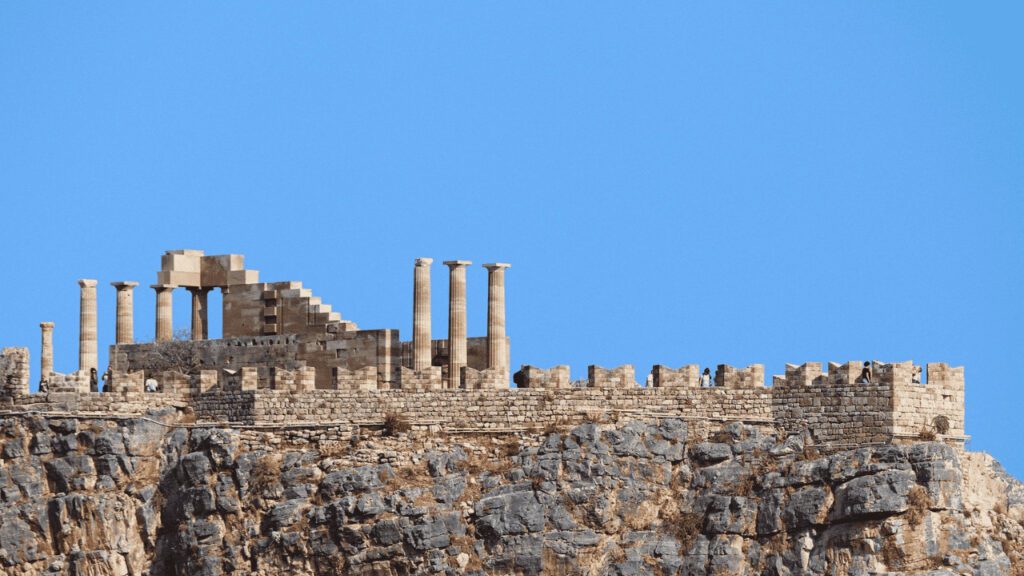
Europe shaped philosophy, democracy, law, and architecture that still influence the modern world.
Acropolis
The Acropolis of Athens in Europe represents the heart of ancient Greek civilization. Built in the 5th century BCE, it includes the Parthenon and other sacred temples. The Acropolis symbolizes democracy, philosophy, and classical art. It remains one of the most influential archaeological sites in the world.
Delphi: Historical and Archaeological Sites
Delphi was considered the center of the ancient world. Located in Greece, Europe, it was home to the Oracle of Apollo. People came here seeking guidance. Delphi reveals ancient beliefs, rituals, and spiritual life.
Pompeii
Pompeii in Italy was preserved by volcanic ash after the eruption of Mount Vesuvius. The city offers a detailed look at Roman daily life, including homes, markets, and temples. It is one of the most valuable archaeological sites in Europe.
Herculaneum
Herculaneum is even better preserved than Pompeii. Wooden structures, furniture, and colorful frescoes survived. It reflects Roman luxury and advanced urban life.
Ephesus
Ephesus is located in Turkey, bridging Europe and Asia. It was a major Roman city known for the Library of Celsus and early Christian history. The site shows advanced planning and cultural exchange.
Africa: Ancient Kingdoms and Timeless Civilizations
Africa holds some of the oldest civilizations in the world and is deeply connected to the story of human history. From ancient Egypt to powerful African kingdoms, the continent preserves remarkable archaeological sites that reflect advanced knowledge, trade networks, and spiritual traditions long before modern times.
Pyramids of Giza: Historical and Archaeological Sites
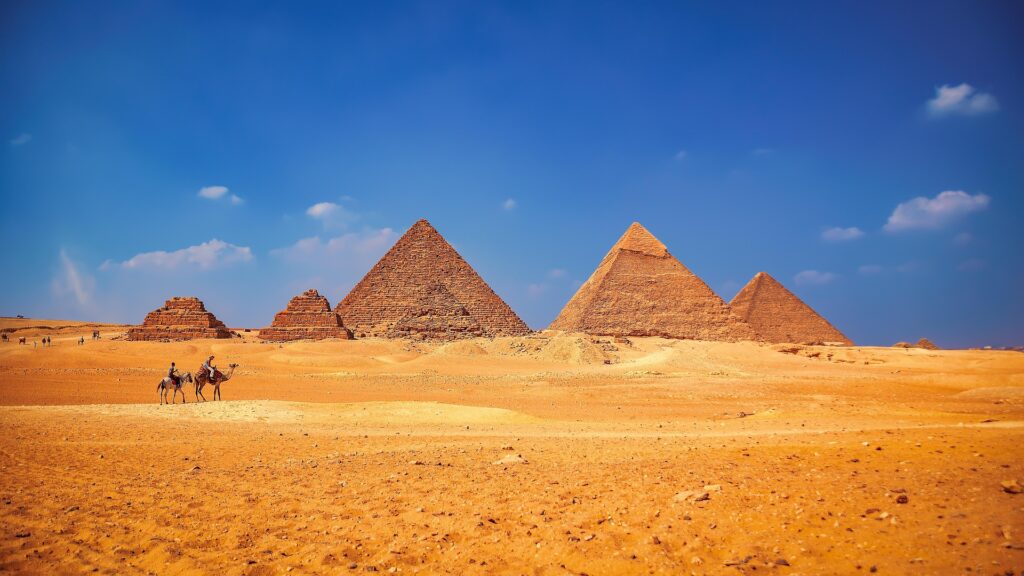
The Pyramids of Giza are among the most famous and mysterious monuments in the world. Located in Egypt on the African continent, these massive structures were built over 4,500 years ago as tombs for powerful pharaohs. The Great Pyramid is the only remaining wonder of the ancient world and demonstrates extraordinary engineering skills. The pyramids reflect ancient Egyptian beliefs about the afterlife, where rulers prepared for life beyond death. Nearby temples and the Great Sphinx add to the site’s historical importance. Visiting the Pyramids of Giza allows travelers to witness the power, religion, and creativity of one of the world’s oldest civilizations.
Valley of the Kings
The Valley of the Kings is located near Luxor in Egypt, Africa, and served as a burial ground for New Kingdom pharaohs, including Tutankhamun. Instead of pyramids, kings were buried in rock-cut tombs hidden in desert valleys to protect them from robbers. The tombs are richly decorated with wall paintings showing religious texts, gods, and journeys to the afterlife. These artworks are important sources for understanding ancient Egyptian beliefs and daily life. The Valley of the Kings reveals how death, religion, and power were deeply connected in ancient Egypt. It remains one of the most fascinating archaeological sites for history lovers.
Great Zimbabwe
Great Zimbabwe is a powerful reminder of Africa’s rich and independent past. Located in Zimbabwe on the African continent, this stone city was built between the 11th and 15th centuries and served as the capital of a strong African kingdom. The massive stone walls were constructed without mortar and show advanced engineering skills. Great Zimbabwe was a major center for trade, connecting Africa with the Middle East and Asia through gold and ivory trade. The site challenges outdated ideas about African history and proves that complex societies existed long before European influence. It is a deeply inspiring destination for cultural travelers.
Aksum
Aksum is an ancient city located in Ethiopia, Africa, and was once the center of the powerful Aksumite Empire. It played a major role in trade between Africa, the Middle East, and Asia. Aksum is famous for its tall stone obelisks, which marked royal graves and symbolized authority. The city is also important for religious history, as it became one of the earliest Christian kingdoms in the world. Archaeological remains include palaces, tombs, and inscriptions that reveal political and religious life. Aksum offers deep historical meaning and is a key destination for archaeology and history enthusiasts.
Gedi
Gedi is a mysterious abandoned city located on the coast of Kenya in Africa. Hidden within forest surroundings, Gedi was once a thriving Swahili settlement between the 13th and 17th centuries. The ruins include mosques, houses, palaces, and wells, showing a well-organized urban society. Gedi reflects a blend of African, Arab, and Islamic influences shaped by Indian Ocean trade. Imported ceramics and artifacts reveal strong connections with China, the Middle East, and India. Visiting Gedi allows travelers to explore a lesser-known but highly important chapter of African coastal history.
Central America–The Advanced World of the Ancient Maya Civilization
Central America, located between North and South America, is home to the ancient Maya civilization, one of the most advanced cultures in the ancient world. The Maya were skilled in astronomy, mathematics, architecture, and writing long before European contact. Their cities were powerful political, religious, and trade centers, surrounded by dense jungles that have preserved these ruins for centuries. Today, Maya archaeological sites attract history lovers, researchers, and travelers from around the world.
Tikal
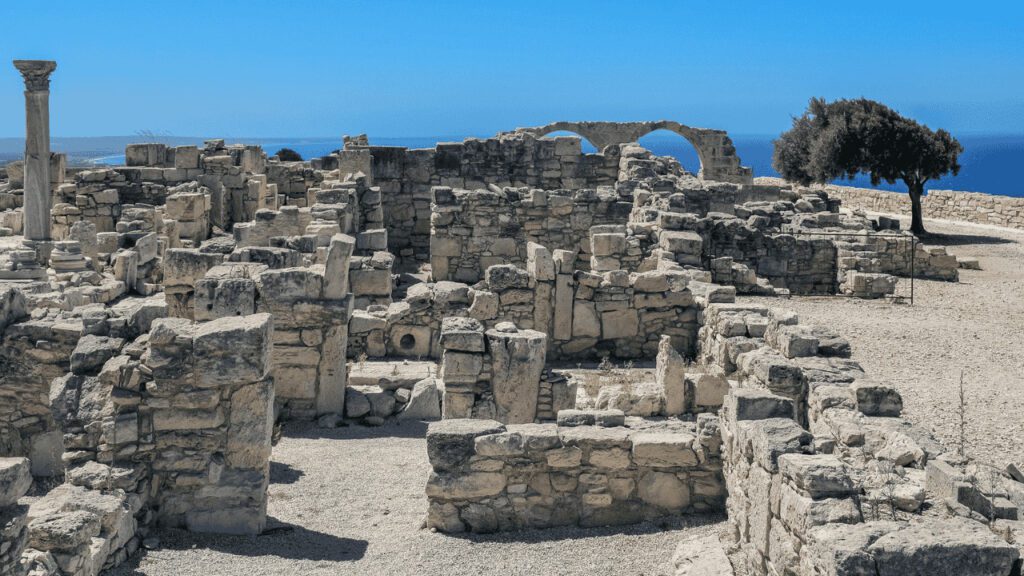
Tikal is located in northern Guatemala, Central America, deep within a tropical rainforest. It was one of the largest and most powerful cities of the ancient Maya civilization, flourishing between 200 and 900 CE. Tikal once had tens of thousands of residents and served as a political and military powerhouse. The site is famous for its tall limestone pyramids that rise above the jungle canopy, including Temple IV, one of the tallest ancient structures in the Americas. Tikal also played a major role in trade and warfare with other Maya cities. Visiting Tikal feels like stepping into a lost world where nature and history exist together, making it one of the most inspiring archaeological sites in Central America.
Chichen Itza
Chichén Itzá is located in the Yucatán Peninsula of Mexico, in North America, and is one of the most famous archaeological sites in the world. It was a major Maya political, religious, and economic center between the 9th and 12th centuries. The site is best known for El Castillo, a massive pyramid designed with advanced astronomical precision. During the spring and autumn equinoxes, sunlight creates the illusion of a serpent moving down the pyramid steps, showing the Maya’s deep understanding of astronomy. Chichén Itzá also includes temples, ball courts, and sacred cenotes. This site reflects the Maya worldview, religious beliefs, and scientific achievements, making it a must-visit destination for history lovers.
Copán
Copán is located in western Honduras, Central America, near the Guatemalan border. It is one of the most artistically rich Maya cities, known for its detailed stone carvings and hieroglyphic inscriptions. Copán was a major center of learning and culture, especially famous for its hieroglyphic stairway, which contains the longest known Maya text. The city flourished between the 5th and 9th centuries and was ruled by powerful kings whose stories are carved into monuments and stelae. Copán offers visitors a deeper understanding of Maya writing, royal lineage, and artistic expression, making it a key archaeological destination in the region.
Palenque
Palenque is located in the state of Chiapas, southern Mexico, North America, and is one of the most beautiful Maya archaeological sites. Surrounded by lush jungle and flowing rivers, Palenque is smaller than Tikal but richer in artistic and architectural detail. The site is famous for the Temple of the Inscriptions, which contains the tomb of the Maya ruler Pakal the Great. Palenque’s buildings are decorated with fine carvings that depict royal ceremonies, mythology, and religious beliefs. The city provides valuable insight into Maya spirituality, governance, and daily life, making it especially appealing to travelers who appreciate both history and natural beauty.
Uxmal
Uxmal is located in the Yucatán region of Mexico, North America, and represents the peak of Maya architectural design. Unlike other Maya cities, Uxmal is known for its smooth stonework, elegant geometric patterns, and detailed masks of the rain god Chaac. The city was an important political and ceremonial center, particularly during periods of drought, when rain rituals were vital. Structures like the Pyramid of the Magician and the Governor’s Palace show advanced engineering and urban planning. Uxmal offers a quieter and more refined experience, allowing visitors to closely observe Maya craftsmanship and architectural mastery. and advanced Maya construction techniques.
Frequently Asked Questions–Historical & Archaeological Sites Around the World
Why is Mohenjo-daro significant for world history?
Mohenjo-daro, located in Sindh, Pakistan, is one of the oldest cities in human history, built around 2500 BCE. It belonged to the Indus Valley Civilization and shows advanced urban planning with straight streets, drainage systems, and public buildings. The Great Bath highlights social or religious practices. This site helps us understand early human civilization and city life thousands of years ago.
What can visitors learn from Harappa?
Harappa, in Punjab, Pakistan, reveals the social, economic, and urban organization of the Indus Valley Civilization. Excavations show granaries, residential structures, seals, and tools, proving how early humans managed trade, governance, and daily life. Harappa is essential for understanding early civilization development in South Asia.
Why is Taxila important for history and culture?
Taxila, near Islamabad, Pakistan, was an ancient center of learning and culture under the Gandhara Civilization. It attracted students from across Asia and played a major role in spreading Buddhism along the Silk Road. Visitors can explore monasteries, stupas, and ancient universities, seeing how education and religion shaped early societies.
What makes Takht-i-Bahi a UNESCO World Heritage Site?
Takht-i-Bahi in Khyber Pakhtunkhwa, Pakistan, is a well-preserved Buddhist monastery from the 1st century CE. Located on a hilltop, it reflects monastic life, meditation practices, and spiritual devotion. Its location protected it from invasions, making it one of the best examples of Buddhist architecture and religious heritage in South Asia.
Why is Banbhore historically significant?
Banbhore, near the Arabian Sea in Sindh, Pakistan, was an ancient trading hub connecting South Asia with the Middle East. Archaeologists discovered layers of Buddhist, Hindu, and early Islamic culture. It may contain one of the earliest mosques in the region. The site is key to understanding coastal trade and cultural exchange in early Islamic history.
What makes Petra a must-visit archaeological site?
Petra, in Jordan, Asia, is a city carved into red sandstone cliffs by the Nabataeans over 2,000 years ago. It was a major trade hub connecting Arabia to the Mediterranean. Petra’s water system, tombs, and temples showcase advanced engineering and architecture. It offers a unique glimpse into the ancient civilization’s culture, wealth, and ingenuity.
Why is Jerash famous for Roman history?
Jerash, in Jordan, is one of the best-preserved Roman cities outside Europe. Visitors can explore theaters, temples, colonnaded streets, and public squares that illustrate daily Roman life. Jerash highlights Roman urban planning and cultural influence in the Middle East.
What is the historical importance of Persepolis?
Persepolis, in Iran, was the ceremonial capital of the Achaemenid Persian Empire. Its grand palaces, carved reliefs, and monumental stairways show royal ceremonies, governance, and cultural respect for different nations. Persepolis remains a symbol of Persian power, art, and diplomacy.
Why visit Pasargadae in Iran?
Pasargadae is the tomb of Cyrus the Great, founder of the Persian Empire. Located in Iran, the site reflects early Persian architecture, planning, and governance. It offers insight into leadership ideals, cultural integration, and historical influence that shaped the Middle East.
What makes Baalbek an architectural marvel?
Baalbek, in Lebanon, is home to massive Roman temples built with some of the largest stones ever moved by humans. It reflects advanced Roman engineering and religious dedication. Visitors can marvel at the size, design, and historical significance of this extraordinary site.
Why is the Acropolis important in European history?
The Acropolis in Athens, Greece, is the heart of ancient Greek civilization. Its Parthenon and other temples represent democracy, philosophy, and art. Visitors can explore classical architecture and gain insight into the cultural and political achievements of ancient Greece.
What was the role of Delphi in ancient Greece?
Delphi, Greece, was the spiritual center of the ancient world. Home to the Oracle of Apollo, it guided decisions for leaders and citizens. Delphi provides visitors a sense of ancient Greek religion, ritual, and connection to divine prophecy.
Why is Pompeii a must-see archaeological site?
Pompeii, Italy, was buried under volcanic ash in 79 CE, preserving homes, markets, and temples. It offers a vivid snapshot of Roman life, trade, and culture. Walking through Pompeii allows visitors to experience daily life in an ancient city frozen in time.
How does Herculaneum differ from Pompeii?
Herculaneum, Italy, was also destroyed by Vesuvius but is better preserved than Pompeii. Wooden structures, furniture, and frescoes survive, showing Roman luxury and private life. It offers a rare glimpse into the domestic and social life of ancient Romans.
Why is Ephesus important in ancient history?
Ephesus, in Turkey, was a major Roman city and trade center bridging Europe and Asia. It is famous for the Library of Celsus and early Christian history. Visitors can see advanced urban planning, temples, theaters, and marketplaces that reveal ancient commerce and culture.
What makes the Pyramids of Giza world-famous?
The Pyramids of Giza in Egypt, Africa, are over 4,500 years old. Built as royal tombs, they reflect extraordinary engineering and beliefs about the afterlife. The Great Pyramid is the last surviving ancient world wonder and a symbol of human achievement.
Why is the Valley of the Kings a key archaeological site?
The Valley of the Kings, near Luxor, Egypt, was used for pharaoh burials. Decorated tombs reveal religious beliefs, rituals, and artistry. Visitors can see detailed wall paintings and hieroglyphs that explain ancient Egyptian life and the afterlife.
What is the historical significance of Great Zimbabwe?
Great Zimbabwe, in Africa, was the capital of a powerful kingdom between the 11th and 15th centuries. Its massive stone walls and towers show engineering skill and wealth. The site highlights trade connections with Asia and the Middle East, reflecting Africa’s historical influence.
Why visit Aksum in Ethiopia?
Aksum, Ethiopia, was a major trading empire and early Christian kingdom. Its tall stone obelisks, palaces, and tombs reveal political power and religious devotion. It is an essential site for understanding African civilization and early Christian history.
What makes Gedi a unique archaeological site?
Gedi, Kenya, is an abandoned Swahili city showing African and Islamic cultural blending. Located on the coast, it reveals life in a trading city influenced by Indian Ocean commerce. Its mosques, houses, and walls are well-preserved and offer a glimpse into medieval coastal life.
Why is Tikal one of the most important Maya archaeological sites?
Tikal in Guatemala was a major Maya city with pyramids, temples, and political influence. It shows advanced urban planning, trade, and culture. The jungle setting adds a mystical experience for visitors exploring ancient civilization.
What makes Chichen Itza a famous Maya site?
Chichen Itza, Mexico, is famous for El Castillo pyramid, which aligns with the sun during equinoxes. The city was a ceremonial, political, and economic center and shows Maya knowledge of astronomy and religion.
What can visitors learn from Copán?
Copán, Honduras, is known for carved monuments and hieroglyphs, telling stories of Maya rulers. The site provides insight into politics, art, and cultural achievements of the Maya civilization.
Why is Palenque important for understanding Maya culture?
Palenque, Mexico, is rich in artistic and architectural detail. Temples and tombs, including Pakal the Great’s, show Maya beliefs, royal life, and spirituality. The jungle location adds natural beauty to the historical experience.
What makes Uxmal unique among Maya cities?
Uxmal, Mexico, is known for elegant stonework and geometric designs. It highlights religious devotion to the rain god Chaac and demonstrates the Maya’s advanced engineering and ceremonial planning.
Final Words
Exploring historical and archaeological sites around the world is more than just sightseeing, it’s a journey through time, culture, and human achievement. From the ancient cities of the Indus Valley in Pakistan to the towering pyramids of Egypt, from the mystical Maya ruins in Central America to the majestic Roman and Greek monuments in Europe, each site tells a unique story of civilizations that shaped our world. Visiting these places allows travelers to connect with history, understand the struggles and triumphs of past societies, and experience the artistry, architecture, and spirituality that has endured for centuries.
These sites are not just relics, they are windows into the minds and lives of our ancestors. Walking through a jungle-covered Maya city, standing atop a Roman amphitheater, or tracing the hieroglyphs of an Egyptian tomb gives a profound sense of wonder and respect for human ingenuity. For history lovers, archaeologists, and cultural travelers, these destinations are treasure troves of knowledge and inspiration.
Planning a trip to these destinations also opens doors to adventure and learning. Each site offers its own atmosphere, challenges, and stories, giving travelers the chance to immerse themselves in local culture and heritage. Whether it’s the carefully preserved temples of Petra, the vibrant streets of ancient Ephesus, or the monumental ruins of Great Zimbabwe, there’s always something new to discover, photograph, and remember.
By exploring historical and archaeological sites, you’re not just witnessing the past, you’re experiencing the legacy of humanity. These journeys inspire curiosity, foster understanding, and create memories that last a lifetime. So pack your bags, open your mind, and step into the world of ancient civilizations. Your next adventure awaits, and the stories of the past are ready to be explored.
Start your journey today and discover the wonders of the world’s historical and archaeological treasures!


0 Comments