
Practical Travel Advice for Trekkers, Hikers, and Budget Explorers
This post may contain affiliate links. If you purchase through these links, I may earn a commission at no extra cost to you.
Table of Contents
Traveling with a backpack is one of the most freeing ways to explore the world. Whether you are trekking through the remote valleys of northern Pakistan, exploring ancient cities in Europe, or wandering through bustling Asian markets, smart packing and preparation can make the difference between a stressful trip and an unforgettable adventure.
At Trips Nomad Adventure, we’ve spent decades guiding travelers through mountains, deserts, and remote villages. Over the years, we’ve learned that successful travelers are not necessarily those with the most expensive gear, but those who pack wisely and travel smart.
The following 52 backpacking and packing tips will help hikers, trekkers, and adventure travelers stay comfortable, save money, and enjoy the journey to the fullest. Read our post bout Essential Gear for Adventure Travel as well for more information.
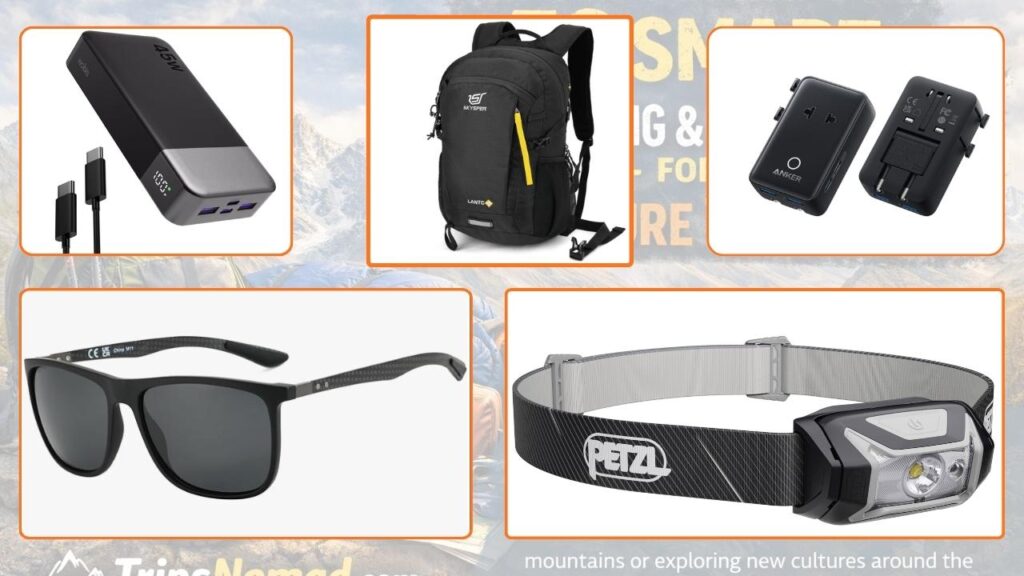
1. Pack Light and Only Carry Essentials
One of the most common mistakes travelers make is overpacking. When preparing for a trip, it’s easy to imagine dozens of situations where you might need extra clothes, gadgets, or accessories. However, once you start traveling, you quickly realize that most of those items never leave your bag.
A lighter backpack makes travel far more enjoyable. It reduces strain on your shoulders, makes hiking easier, and allows you to move freely through airports, buses, and mountain trails. For trekking destinations like the Hindukush or Karakoram, carrying unnecessary gear can quickly become exhausting.
A good rule is to pack half of what you initially think you need. Focus on versatile clothing that can be layered and used in different weather conditions. High-quality gear such as lightweight trekking pants, moisture-wicking shirts, and a durable backpack will serve you far better than carrying multiple bulky items.
Minimal packing leads to greater mobility, comfort, and freedom while traveling.
2. Choose a Reliable Travel Backpack
Your backpack is the most important piece of travel gear you will own. A poorly designed backpack can cause back pain, shoulder strain, and frustration during long journeys.
For most travelers, a backpack between 40–60 liters works well. It’s large enough to carry essentials but compact enough to remain manageable during flights and public transportation.
Water resistance is another key factor. Weather conditions can change quickly in mountain regions, so having a backpack with a rain cover or waterproof material protects your gear and electronics.
Investing in a quality backpack might cost more initially, but it will make every journey significantly more comfortable.
3. Invest in Multi-Purpose Travel Gear
When selecting a backpack for hiking or backpacking travel, look for one that offers good weight distribution, strong zippers, and padded shoulder straps. Adjustable hip belts are particularly important because they help transfer weight from your shoulders to your hips, making long walks much easier.
Smart travelers rely on multi-functional gear that can serve several purposes during a trip. This reduces weight while increasing practicality.
For example, a lightweight buff or scarf can function as a head covering, neck warmer, sun protection, or even a makeshift pillow on long bus rides. Trekking pants that convert into shorts are another excellent choice for destinations with changing weather.
Compact travel gear such as foldable backpacks, lightweight rain jackets, and portable water filters are also extremely useful for hikers and trekkers.
Multi-purpose gear becomes particularly valuable when traveling in remote areas where shops may not be easily accessible. When every item in your backpack has multiple uses, your pack becomes lighter while still keeping you prepared for unexpected situations.
This approach allows adventure travelers to stay flexible and ready for whatever the journey brings.
4. Carry a Quality Lightweight Tent for Outdoor Adventures
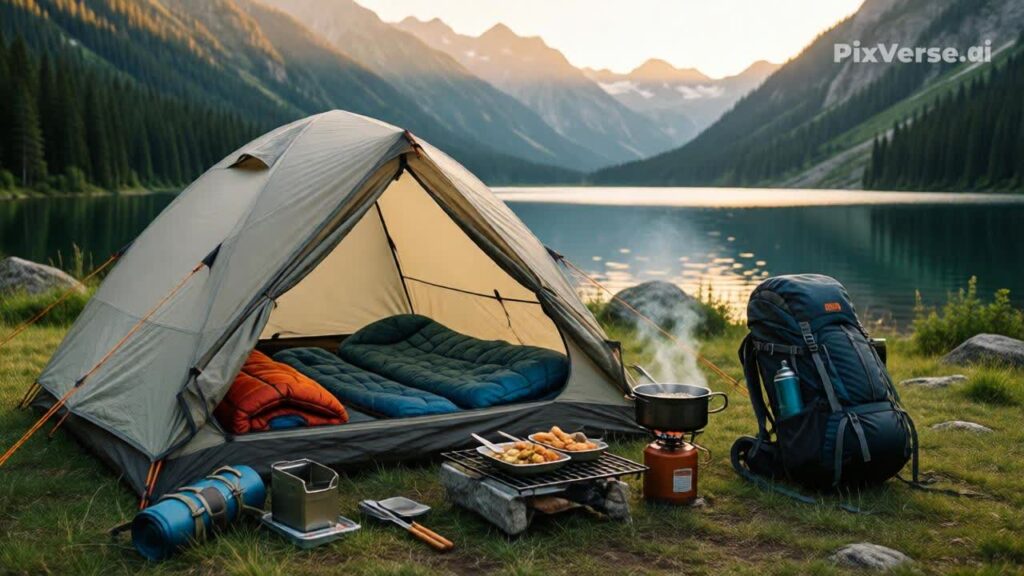
For travelers who enjoy trekking, camping, or exploring remote landscapes, a lightweight travel tent can be incredibly valuable. It provides shelter in places where hotels or guesthouses are unavailable and allows you to experience nature in a much more immersive way.
A good backpacking tent should be compact, lightweight, and easy to assemble. Modern trekking tents are designed to pack down small while still providing excellent protection from wind and rain.
Camping also helps travelers save money during long journeys. Instead of paying for accommodation every night, you can set up camp in scenic locations such as mountain valleys, lakesides, or national parks.
For destinations like northern Pakistan, camping opens the door to incredible places that most tourists never see. With the right tent and sleeping gear, you gain the freedom to explore far beyond the usual travel routes.
5. Bring a Compact Sleeping Bag for Comfort find in Backpacking Packing Tips
If your travels include trekking, camping, or staying in basic lodges, a good sleeping bag is essential. It provides warmth, comfort, and hygiene when sleeping in unfamiliar environments.
Sleeping bags come in different temperature ratings, so choosing one suitable for your destination is important. For mountain regions, a sleeping bag designed for cooler temperatures ensures you stay warm even during chilly nights.
Lightweight compression sleeping bags are ideal for backpackers because they pack down small and fit easily inside a backpack.
Even if you primarily stay in hostels or guesthouses, a sleeping bag liner can be useful for cleanliness and additional warmth.
Having your own sleeping gear gives you flexibility and ensures that wherever your journey takes you, a comfortable night’s sleep is always within reach.
6. Pack a Microfiber Travel Towel
A microfiber towel is one of the most underrated travel essentials. Unlike traditional towels, microfiber versions are lightweight, compact, and dry extremely quickly.
This makes them ideal for travelers who frequently move between accommodations, campsites, or hostels. Instead of carrying a bulky towel that stays damp for hours, a microfiber towel can dry within minutes.
These towels are also very versatile. They can be used at the beach, during trekking trips, at gyms, or even as a temporary blanket during long bus rides.
Because they pack so small, they take up almost no space in your backpack. For hikers and adventure travelers who value efficiency and minimal packing, a microfiber towel is a simple yet highly practical piece of gear. Always see this post about the Backpacking Packing Tips for comfortable travel.
7. Carry a Reusable Water Bottle
Staying hydrated is essential for any traveler, especially those exploring warm climates or high-altitude regions.
A reusable water bottle not only saves money but also reduces plastic waste. Many popular travel destinations struggle with plastic pollution caused by single-use bottles.
Modern travel bottles often include built-in filters or purification systems, allowing you to safely drink water from various sources. This is particularly useful for trekking routes or remote villages where bottled water may not be available.
For long hikes or trekking adventures, insulated bottles can also keep water cool for extended periods.
By carrying a reusable bottle, travelers contribute to environmental sustainability while ensuring they always have access to safe drinking water during their journey.
8. Bring a Small Travel Stove for Remote Trips
For trekkers and outdoor explorers, a portable camping stove can be incredibly useful. It allows you to prepare hot meals, boil water, or make tea and coffee wherever you are.
Lightweight backpacking stoves are designed to be compact and efficient, making them easy to carry during long hikes. Whether you are camping in the mountains or staying in a remote valley, a stove provides independence and convenience.
Cooking your own meals also helps travelers save money, especially during long trips. Simple foods like noodles, soup, or oatmeal can be prepared quickly with minimal equipment.
For adventure travelers exploring remote regions, a portable stove ensures that a warm meal is always within reach, no matter how far you are from civilization. List down your gears reading this Backpacking Packing Tips post before going on hiking and trekking trip.
9. Wear Synthetic and Quick-Dry Clothing
Choosing the right clothing materials can make a huge difference when traveling. Cotton clothing may feel comfortable initially, but it absorbs moisture and takes a long time to dry.
Synthetic fabrics such as polyester or merino wool are much better suited for travel and trekking. They dry quickly, regulate temperature effectively, and remain comfortable even during intense physical activity.
Quick-dry clothing is especially useful for travelers who frequently wash their clothes while on the road. Instead of waiting an entire day for garments to dry, synthetic materials are often ready to wear again within a few hours.
For hikers and trekkers, moisture-wicking clothing also helps prevent discomfort and skin irritation during long walks.
Investing in high-quality travel clothing ensures that you stay comfortable, dry, and ready for adventure.
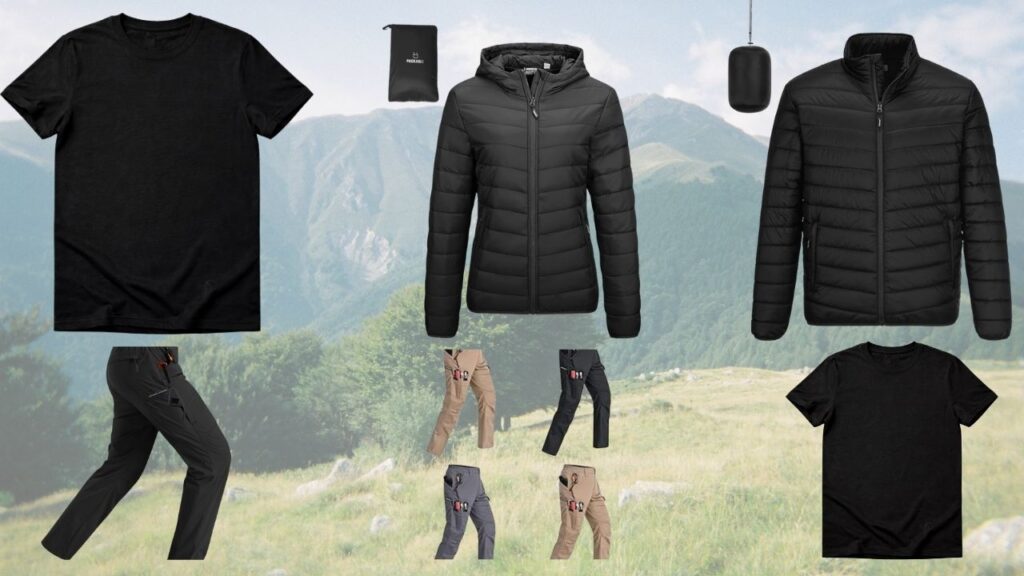
10. Always Pack Rain Protection
Weather conditions can change quickly, particularly in mountainous regions. Even destinations known for dry climates can experience sudden rainstorms.
For this reason, packing reliable rain protection is essential. A lightweight waterproof jacket and backpack rain cover can prevent your gear from becoming soaked during unexpected showers.
Rain gear is particularly important for hikers and trekkers, as wet clothing and equipment can quickly lead to discomfort or even safety concerns in colder conditions.
Compact rain jackets are designed to fold into small pouches, making them easy to store in a backpack without taking up much space.
By preparing for unpredictable weather, travelers can continue exploring confidently without worrying about sudden changes in the environment.
11. Use Packing Cubes to Stay Organized
Packing cubes are one of the simplest tools that can dramatically improve how you organize your backpack. Instead of stuffing everything randomly into your bag, packing cubes allow you to divide clothing and gear into neat, easy-to-find sections. This saves time and prevents the frustration of digging through your backpack every time you need something.
For example, you can keep shirts in one cube, underwear and socks in another, and outdoor gear in a separate compartment. Some travelers also dedicate one cube specifically for laundry, helping keep clean and used clothes separated.
Packing cubes also compress clothing slightly, which creates more usable space in your backpack. This is particularly useful for long trips or trekking expeditions where efficient packing is essential. With better organization, your backpack remains tidy and you can access your gear quickly during travel days.
12. Carry Extra Socks for Trekking Comfort
Many experienced trekkers say the most important clothing item in their backpack is a good pair of socks. When hiking long distances, your feet endure constant friction, moisture, and pressure. Having extra socks helps maintain comfort and prevents common issues like blisters.
Choose socks designed for hiking or outdoor use. These typically include moisture-wicking materials such as merino wool or synthetic blends that keep your feet dry and reduce irritation. Thick cushioning in the heel and toe areas also provides additional support during long walks.
Changing into dry socks during the day can make a huge difference on multi-day treks. Even if your shoes become damp from rain or stream crossings, fresh socks help maintain warmth and comfort.
For longer journeys, packing three to four pairs of quality hiking socks is usually sufficient.
13. Bring a Compact First Aid Kit
A small first aid kit is essential for any traveler, particularly those exploring remote destinations. While serious medical emergencies are rare, minor injuries such as cuts, blisters, headaches, or stomach discomfort can occur during travel.
Your first aid kit should include basic supplies such as adhesive bandages, antiseptic wipes, pain relief medication, blister treatment pads, and personal prescription medicines. Tweezers and small scissors can also be useful for removing splinters or trimming bandages.
Trekkers often add items like elastic bandages for sprains or altitude sickness medication if traveling in high mountain areas. This post about Backpacking Packing Tips will help you what to bring on travel in the mountains.
The key is to keep the kit small and lightweight while still covering common travel health needs. Having basic medical supplies readily available can save time and help you stay comfortable while continuing your journey.
14. Pack a Reliable Power Bank
Modern travelers rely heavily on electronic devices such as smartphones, cameras, GPS apps, and digital maps. During long journeys or trekking adventures, access to electricity may be limited, making a power bank an essential travel accessory.
A high-capacity power bank can recharge your smartphone several times before needing to be recharged itself. This is especially useful during long bus rides, flights, or outdoor adventures where charging outlets are unavailable.
For hikers and backpackers, a power bank ensures that navigation apps, emergency communication, and travel photos remain accessible throughout the trip.
When selecting a power bank, choose one that balances battery capacity and portability. Lightweight models with fast charging features are ideal for travelers who need reliable power without adding unnecessary weight to their backpack.
15. Carry a Headlamp Instead of a Flashlight
While small flashlights can be useful, experienced hikers often prefer headlamps because they allow hands-free lighting. This becomes extremely helpful when setting up camp, cooking at night, or walking along dark trails.
Headlamps are lightweight, compact, and adjustable to different brightness levels. Many modern models also offer rechargeable batteries, making them convenient for long trips. I recommend you the best lamp PETZL Tikka Headlamp – Compact 350 Lumen.
For trekkers camping in remote areas, a headlamp becomes an essential tool after sunset. It helps illuminate cooking areas, reading spaces, and walking paths around camp.
Even travelers staying in guesthouses or hostels may find a headlamp useful during power outages or early morning hikes. Because it occupies very little space in a backpack, it is a small but valuable addition to any packing list.
16. Keep Important Documents in a Waterproof Pouch
Travel documents are among the most important items you carry, so protecting them from water, dust, and accidental damage is essential. A waterproof document pouch ensures that your passport, travel insurance papers, visas, and identification remain safe throughout your journey.
This becomes particularly important when traveling in regions with unpredictable weather or when participating in outdoor activities such as trekking or boating.
Many travelers also store copies of important documents inside the pouch. Having backup copies can help simplify the process if original documents are lost or damaged.
Some waterproof pouches include neck straps or belt loops, allowing travelers to keep documents close and secure. This simple precaution provides peace of mind and prevents unnecessary travel complications.
17. Use a Small Daypack for Daily Adventures
While your main backpack carries all your travel gear, a small daypack is incredibly useful for everyday exploration. Daypacks allow travelers to carry essentials such as water bottles, snacks, cameras, and rain jackets without bringing their entire backpack.
For example, when visiting cities, hiking short trails, or exploring local markets, a daypack keeps you comfortable and mobile. It also helps distribute weight evenly so you can move freely throughout the day.
Many travelers choose foldable or ultralight daypacks that pack into very small pouches when not in use. These are ideal because they add minimal weight to your main backpack while providing excellent convenience.
For trekkers and outdoor enthusiasts, a daypack becomes a daily companion for exploration and short hikes.
18. Pack High-Energy Travel Snacks
Long travel days often include extended bus rides, train journeys, or trekking routes where food options are limited. Carrying a few high-energy snacks ensures that you stay energized and comfortable between meals.
Good snack options include nuts, dried fruits, energy bars, chocolate, and trail mix. These foods are lightweight, nutritious, and easy to store in a backpack.
For hikers and trekkers, snacks provide quick bursts of energy during long climbs or demanding trails. They also prevent fatigue when meal breaks are far apart.
Keeping a small supply of snacks in your bag can also be helpful during unexpected delays, flight layovers, or late-night arrivals when restaurants may be closed.
19. Bring a Universal Travel Adapter
Electrical outlets vary widely across different countries. A universal travel adapter ensures that you can charge your electronics no matter where you travel.
These adapters typically include multiple plug types compatible with outlets found in Europe, Asia, the Americas, and many other regions. Some models also include USB ports, allowing you to charge several devices at the same time.
For travelers carrying smartphones, cameras, laptops, and power banks, having a reliable adapter prevents frustrating situations where devices cannot be charged.
A universal adapter is small, affordable, and incredibly useful for international travel. Packing one ensures that your electronics remain powered throughout your journey.
20. Keep Toiletries Minimal and Travel Sized
Toiletries are necessary for comfort and hygiene, but they can quickly take up valuable space in a backpack. The best approach is to pack small travel-sized versions of essential items. Read this post on Backpacking Packing Tips while preparing your gear list.
Most travelers only need basic toiletries such as a toothbrush, toothpaste, small shampoo bottle, deodorant, soap, and sunscreen. Compact containers help reduce weight and prevent liquid spills inside your backpack.
Many destinations also have local shops where toiletries can easily be purchased if needed. This allows you to carry only a small supply and restock along the way.
Using a small waterproof toiletry pouch keeps everything organized and prevents leaks from damaging clothing or electronics.
21. Carry Hand Sanitizer for Hygiene
Traveling exposes you to many environments where clean water may not always be available. Hand sanitizer becomes an essential item for maintaining personal hygiene during journeys. Whether you are visiting busy markets, using public transportation, or eating street food, having sanitizer helps reduce exposure to germs.
Small travel-size bottles are easy to carry in your pocket or daypack. Many travelers use sanitizer before meals, after handling money, or when returning from crowded areas.
For trekkers exploring remote areas, hand sanitizer is particularly useful because washing facilities may be limited. By keeping a small bottle accessible, travelers can maintain hygiene and reduce the risk of illness while exploring new destinations.
22. Pack a Small Laundry Kit
Long trips often require washing clothes along the way. Carrying a small travel laundry kit helps keep clothing fresh without packing too many garments.
A basic laundry kit may include travel detergent sheets, a sink stopper, and a lightweight travel clothesline. These items allow travelers to wash clothes in sinks, bathrooms, or outdoor campsites.
Quick-dry clothing works best for this purpose because it dries overnight. Washing a few items regularly means you can travel with fewer clothes, keeping your backpack lighter.
For trekkers on multi-day journeys, washing socks and base layers helps maintain comfort and hygiene throughout the trip. This post Backpacking Packing Tips is fruitful for all those who planning trip out of towns.
23. Use Zip-Lock Bags to Organize Small Items
Zip-lock bags are one of the most useful packing tools for travelers. They help organize small items, protect electronics, and separate wet or dirty clothing from clean gear.
Many travelers use zip-lock bags to store toiletries, cables, snacks, or documents. Transparent bags also make it easier to locate items quickly inside a crowded backpack.
Another advantage is water protection. If rain occurs during trekking or travel, zip-lock bags help prevent important items like passports or phones from getting wet.
Because they are lightweight and inexpensive, carrying several zip-lock bags is a simple way to improve organization while protecting your gear during travel.
24. Bring Sunglasses and Sun Protection
Sun exposure can be surprisingly intense, especially in high-altitude regions or tropical destinations. Sunglasses protect your eyes from harmful UV rays and reduce glare during outdoor activities. You can easily order the Sun Glasses from the comfort of your home.
Travelers visiting mountains, beaches, deserts, or snow-covered landscapes should always carry proper sun protection. Polarized sunglasses are particularly helpful for reducing glare from snow or water surfaces.
In addition to sunglasses, sunscreen and a hat provide additional protection. Sunburn can quickly turn an enjoyable trip into an uncomfortable experience.
For trekkers and hikers spending long hours outdoors, protecting the skin and eyes from sun exposure is an important part of travel safety and comfort.
25. Keep Electronics Organized in a Gear Pouch
Modern travelers often carry several electronic devices such as phones, cameras, chargers, and cables. Without proper organization, these small items can become tangled or difficult to find inside a backpack.
A travel gear pouch keeps electronic accessories organized and protected. These pouches often include small compartments for cables, memory cards, and power banks.
Using a dedicated pouch also helps prevent damage to fragile electronics by keeping them separate from clothing or heavy gear.
For photographers, vloggers, or content creators documenting their travel adventures, an organized electronics pouch ensures that gear remains safe and accessible throughout the journey.
26. Carry a Lightweight Sleeping Bag
A compact sleeping bag provides comfort and warmth for travelers who camp or stay in simple lodges. Even in warmer regions, nighttime temperatures can drop unexpectedly.
Modern backpacking sleeping bags are designed to be lightweight and highly compressible. This allows them to fit easily into a backpack without occupying too much space.
For trekkers in mountainous areas, choosing a sleeping bag with an appropriate temperature rating is essential. Down or synthetic insulation helps retain body heat during cold nights.
Having a personal sleeping bag also improves hygiene when staying in hostels or guesthouses where bedding quality may vary.
27. Use a Travel Pillow for Comfort
Long flights, bus journeys, and train rides can become exhausting without proper neck support. A travel pillow helps travelers rest comfortably during transit.
Inflatable travel pillows are particularly popular because they pack down small when not in use. Memory foam pillows offer greater comfort but take slightly more space.
For travelers who spend long hours on the road, having a pillow can make overnight journeys much more comfortable.
Trekkers also use travel pillows during camping trips to improve sleep quality in tents.
28. Pack a Compact Tent for Trekking Adventures
Travelers exploring remote mountain trails often rely on lightweight tents for shelter. A good backpacking tent should be durable, weather-resistant, and easy to assemble.
Modern trekking tents are designed for portability, allowing hikers to carry them without adding excessive weight to their backpacks.
Camping provides the opportunity to experience stunning landscapes far from crowded tourist areas. It also reduces accommodation costs during long journeys.
For adventure travelers visiting places like the Hindukush or Karakoram Mountains, a reliable tent opens the door to unforgettable wilderness experiences.
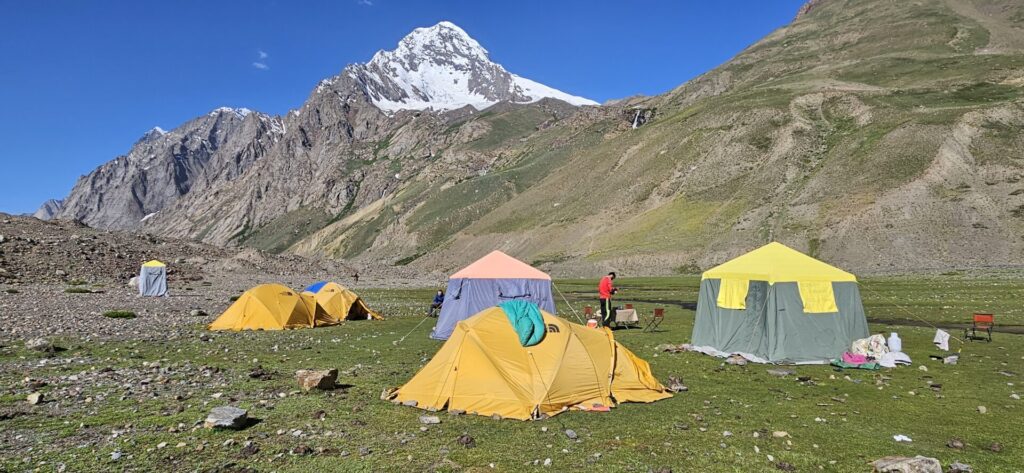
29. Carry a Portable Stove for Outdoor Cooking
A small backpacking stove allows trekkers to prepare hot meals in remote locations. Lightweight gas stoves are compact, efficient, and easy to operate.
Hot meals provide energy and warmth during cold mountain nights. Simple dishes like noodles, soups, or tea can be prepared quickly using minimal equipment.
For extended trekking journeys, a stove ensures independence from limited food supplies available in remote areas.
Travelers who enjoy camping find that cooking their own meals also adds to the adventure experience.
30. Learn Simple Travel Cooking Skills
Knowing how to prepare basic meals while traveling can save money and improve nutrition. Simple foods such as rice, pasta, instant noodles, or oatmeal require minimal cooking equipment.
Many backpackers carry lightweight cooking utensils such as a small pot, spoon, and camping stove.
Cooking your own meals also allows you to control ingredients and avoid expensive restaurant prices during long journeys.
For trekkers camping in remote valleys or national parks, simple cooking skills ensure that nutritious meals are always available.
31. Try Local Street Food
Street food is often one of the best ways to experience authentic local culture. Many destinations offer delicious traditional meals prepared fresh in open markets.
Travelers should look for busy stalls where locals eat, as these typically serve fresh food with high turnover.
Street food is also affordable, allowing travelers to enjoy flavorful meals while staying within budget.
Exploring local cuisine becomes a memorable part of the travel experience.
32. Carry Small Amounts of Cash
While credit cards are widely accepted in cities, many small towns and rural areas still rely on cash payments.
Carrying small denominations makes it easier to pay for transportation, snacks, or market purchases.
Trekkers visiting remote villages should always carry some cash because ATMs may not be available.
Keeping money organized in different pockets also improves security during travel.
33. Use Public Transportation When Possible
Public transportation is often the most affordable way to explore a new destination. Buses, trains, and shared taxis allow travelers to move between cities while experiencing local life.
In many countries, public transport systems are reliable and inexpensive compared to private taxis.
Using local transportation also provides opportunities to interact with residents and learn more about everyday culture.
For budget travelers, this approach helps reduce travel expenses significantly.
34. Buy Multi-Day Transport Passes
Many cities offer transport passes that allow unlimited travel for several days. These passes can save money for travelers planning to explore multiple attractions.
Instead of purchasing separate tickets each time, a transport pass simplifies travel and reduces costs.
Visitors staying several days in one city often benefit the most from these passes.
Researching transport options before arrival can help travelers choose the best value for their itinerary.
35. Travel with Friends to Share Costs
Group travel can significantly reduce expenses. Accommodation, transportation, and guide services often become more affordable when shared among several people.
Traveling with friends also makes the journey more enjoyable. Shared experiences create lasting memories and provide companionship during long travel days.
For trekking adventures, group travel improves safety and allows participants to support each other during challenging hikes.
36. Choose Budget Guesthouses or Hostels
Budget accommodations such as hostels or guesthouses offer affordable lodging for travelers. Many hostels provide shared kitchens, common areas, and opportunities to meet other travelers.
Guesthouses often provide a more local experience and personalized hospitality.
These accommodations help travelers stretch their budgets while still enjoying comfortable stays. This also make you easy if find this Backpacking Packing Tips post while planning your out-door activities.
37. Look for Accommodation with Breakfast Included
Many guesthouses and small hotels offer breakfast as part of the room price. This simple meal helps travelers start the day without additional expense.
Breakfast also saves time in the morning, allowing travelers to begin sightseeing or trekking earlier.
Choosing accommodation with breakfast included is a small but effective way to manage travel budgets.
38. Keep Your Backpack Close in Crowded Places
Busy markets, train stations, and tourist attractions can sometimes attract pickpockets. Travelers should always remain aware of their surroundings.
Keeping your backpack in front of you in crowded areas provides better security. Lockable zippers and anti-theft backpacks also add extra protection.
Simple awareness helps prevent unnecessary problems during travel.
39. Avoid Overplanning Your Trip
While planning is helpful, leaving room for spontaneity often leads to the most memorable experiences.
Unexpected festivals, local recommendations, or scenic discoveries may change your itinerary.
Flexible travelers often discover unique places that rigid schedules might miss.
40. Stay Flexible with Travel Plans
Weather, transportation delays, and road conditions can sometimes disrupt travel plans. Maintaining flexibility helps travelers adapt without frustration.
Adventure travel often involves unpredictable elements. Accepting these changes as part of the journey helps maintain a positive travel mindset.
41. Learn a Few Local Words
Learning basic phrases such as greetings, thank you, and simple questions can improve communication with local people.
Even small efforts to speak the local language show respect for the culture and often result in warmer interactions.
42. Respect Local Traditions and Customs
Every destination has its own cultural values and traditions. Travelers should learn basic etiquette before visiting.
Respectful behavior helps create positive relationships between travelers and local communities.
43. Carry a Multi-Use Scarf or Buff
A scarf or buff can serve many purposes including sun protection, warmth, dust protection, or even a pillow during travel.
Because it is lightweight and versatile, many experienced travelers always carry one.
44. Bring Something for Entertainment
Books, podcasts, music, or travel journals can make long travel days more enjoyable.
Entertainment helps pass time during flights, train journeys, or waiting periods.
45. Carry a Good Camera
Travel photography allows travelers to capture unforgettable memories from their journeys.
Even smartphones today provide excellent photography capabilities.
46. Protect Gear from Rain and Dust
Dry bags and waterproof covers protect clothing, electronics, and documents from environmental damage.
This protection is particularly important in mountainous regions where weather can change quickly.
47. Check Weather Conditions Before Traveling
Weather forecasts help travelers prepare proper clothing and gear before heading out for the day.
Knowing weather conditions helps prevent unnecessary surprises.
48. Store Digital Copies of Important Documents
Saving digital copies of passports, insurance documents, and visas provides backup in case originals are lost.
Cloud storage or email accounts are convenient places to store these files securely.
49. Stay Healthy During Travel
Drinking enough water, eating balanced meals, and getting adequate rest helps maintain energy levels throughout a trip.
Healthy travelers enjoy their journeys much more.
50. Monitor Your Travel Budget
Keeping track of daily expenses helps travelers manage their finances and avoid overspending.
Budget tracking apps or simple notes can help maintain financial awareness.
51. Travel with Curiosity and an Open Mind
The best travel experiences often come from unexpected encounters, new cultures, and unfamiliar traditions.
Approaching travel with curiosity allows deeper connections with places and people.
52. Focus on the Journey, Not Just the Destination
Backpacking is about the entire experiences, the landscapes, the people, and the lessons learned along the way.
The journey itself becomes the greatest reward of travel.
Backpacking is more than just carrying a bag and moving from one place to another. It is a lifestyle built on freedom, exploration, and learning from the world around us.
By packing smart, traveling responsibly, and staying flexible, you can enjoy incredible adventures, whether trekking in the Hindukush Mountains, exploring ancient cultures, or discovering hidden valleys across Pakistan.
At Trips Nomad Adventure, we believe the best journeys happen off the beaten path. With the right preparation and mindset, every traveler can experience the beauty, culture, and adventure that make travel truly unforgettable.
Frequently Asked Questions for Backpacking Packing Tips
What should I pack for a backpacking trip?
A good backpacking packing list includes lightweight clothing, a reliable backpack, hiking shoes, rain protection, a reusable water bottle, first aid kit, travel documents, and essential gear for outdoor adventures.
How heavy should a backpack be for travel?
Most experts recommend carrying a backpack that weighs no more than 10–15% of your body weight to maintain comfort and mobility during travel.
What size backpack is best for backpacking travel?
A backpack between 40–60 liters is ideal for most travelers. It offers enough space for essentials while remaining manageable during long journeys.
How can I pack lighter for travel?
Choose multi-purpose clothing, pack travel-size toiletries, use packing cubes, and carry only essential gear to reduce weight.
What gear is essential for trekking trips?
Essential trekking gear includes hiking boots, weather protection, a backpack, navigation tools, water bottles, energy snacks, and proper clothing for outdoor conditions.

0 Comments