Pakistan is one of the most extraordinary yet underrated adventure destinations in the world. Amazing Trekking in Pakistan provides several opportunities for trekkers and camping enthusiasts. Where the Himalaya, Karakoram, Hindu Kush, and the high mountain corridors linking toward the Pamir Range meet, travelers can explore some of the most dramatic landscapes on Earth within a single country. Snow-covered 8,000-meter peaks, vast glaciers, emerald valleys, alpine lakes, and remote high-altitude plateaus create unmatched opportunities for trekking, hiking, and camping.
Unlike many crowded mountain destinations, trekking in Pakistan still feels raw and authentic. Trails pass through traditional villages where life has changed little over generations. Camps are set beside glacier-fed rivers under clear night skies filled with stars. Mountain communities welcome travelers with warmth, hospitality, and cultural richness.
This complete 2026 guide covers the best trekking routes, hiking trails, and camping sites in Pakistan. It also includes essential information about permits, safety, packing, travel insurance, and the best time to visit. Whether you are planning your first hiking adventure or a serious high-altitude expedition, this comprehensive article will help you prepare for an unforgettable journey between June and October.
Table of Contents
Why Pakistan Is a Paradise for Trekking, Hiking and Camping
Few countries in the world combine four major mountain systems in one region. Northern Pakistan connects the Himalaya, Karakoram, Hindu Kush, and the highlands that extend toward the Pamir. This rare geography creates remarkable diversity in terrain, altitude, and culture.
Trekking routes range from gentle meadow walks to demanding glacier crossings. Hiking trails pass through forests, riversides, and ancient trade routes. Camping sites vary from peaceful lakeshores to high alpine pastures above 4,000 meters.
Pakistan stands out because it offers five of the world’s fourteen peaks above 8,000 meters, some of the longest non-polar glaciers, and valleys that remain culturally authentic. The country is also significantly more affordable than many international trekking destinations, making it attractive for adventurous travelers seeking meaningful experiences rather than commercial tourism.
Trekking Pakistan in the Himalaya Region
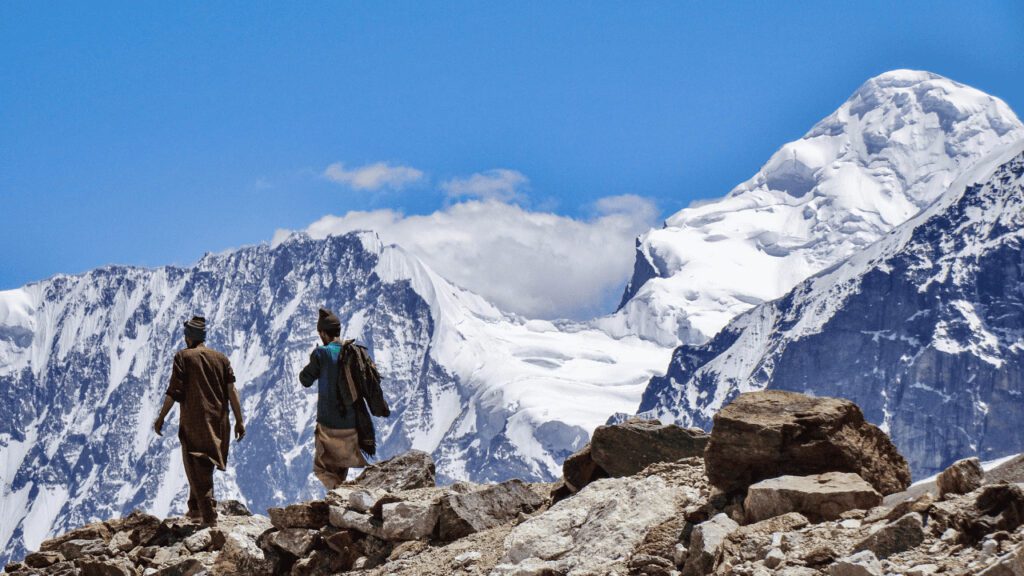
The Himalayan region of Pakistan is famous for dramatic peaks, alpine meadows, and accessible base camp treks. There are couple trekking routes in the Himalaya Range. The top attraction in the Himalayas is Nanga Parbat the second highest mountain in Pakistan and number 9 out of 14 peaks above 8000m in the world. Mazino Pass (5,400 m) Trekking in Pakistan and around Nanga Parbat are famous treks in Himalaya Range. There some more trekking destinations with breath-taking camping sites around the Nanga Parbat like trekking in Rupal Face, North Face, Fairy Meadows and Nanga Parbat Base Camp hiking. Above all, the shortest hiking to a 8000 meter peak in the world is to this amazing mountain.
Nanga Parbat Base Camp Trek
The journey to Nanga Parbat Base Camp is one of the most iconic trekking experiences in the country. Nanga Parbat, standing at 8,126 meters, is the ninth-highest mountain in the world and dominates the skyline above lush green meadows.
The trek often begins from Fairy Meadows, where hikers enjoy panoramic views before continuing toward the base camp. The route offers glacier scenery, alpine camping, and unforgettable sunrise views. The easiest trekking route to the south face is unlike anywhere else. As mentioned above it has several side valley with trekking, hiking and camping sites with stunning views and natural beauty.
Difficulty is easy to moderate and suitable for reasonably fit beginners except crossing Mazino Pass click here for more information. The best season is from June to September.
Fairy Meadows itself is also one of the most beautiful camping sites in Pakistan, making this region ideal for both trekking and relaxed hiking. The easiest and shortest distance to one of the above 8000 meters.
Trekking in the Karakoram Range
The Karakoram Range is considered the heart of serious trekking in Pakistan. Sharp granite towers, massive glaciers, and high mountain passes define this region. In the Karakorum Mountain Ranges in Pakistan offers numerous trekking in Pakistan the most difficult trek, moderate treks and and the easiest trekking destinations are there in the Karakorum Mountains. Like the most famous 20 days trek in the word K2 Base Camp and Ghondoghoro La Trek is in the Karakorum mountains in Pakistan. The easiest trek in the Karakorum is Nangma Valley Trek has the most beautiful camping sites with fascinating peaks like Amin Barak is there.
Rakaposhi Base Camp Trek
The trail to Rakaposhi Base Camp one of the most interesting and easy trekking in Pakistan. It starts from Minapin village and ascends through forests and alpine meadows. Rakaposhi, known as the Mother of Mist, offers stunning glacier views and an impressive summit profile. Rakhaposhi Base Camp Trek is located the amazing Hunza Valley in Pakistan which is one of the most tourist visiting destinations in Pakistan. Find here the details information to plan this stunning trek.
Rush Lake Trek
Rush Lake is among the highest alpine lakes in the world. Camping beside the lake rewards trekkers with sweeping views of surrounding peaks. This trek is moderately challenging and best between July and September. This trek also begins from Hopper Nagar Valley again you are passing through the Hunza Valley and other beautiful places in Northern Pakistan to visit. This trek is famous for its alpine lakes, combination of lush green camping sites and glaciers moraine. The popularity of this trek is because famous mountain Golden Peak in the Karakorum Mountain Range in Pakistan. See more here about the Rush Lake trekking Pakistan.
Snow Lake and Hispar Trek
An iconic trekking in Pakistan for experienced adventurers, Snow Lake offers a legendary glacier expedition. This challenging route crosses vast ice fields and demands proper acclimatization and professional support. This trek is on two of the longest glacier in the Karakorum Biafo and Hispar Glacier between Nagar Valley and Shigar Valley of Gilgit-Baltistan. This trek is accessible from both sides from east to west Askole to Hispar and west to east from Hispar Village in Nagar Valley. There are few camping sites on green meadows but the most are on white glaciers and moraines.
Most of the people go from east to west because of porters in the Shigar Valley are cooperative and friendly and no agitative on rates and other things. On the other hand the porters of Hispar are not that cooperative and demand beyond porters rates extra materials. There are awe-inspiring views on both sides of the Snow Lake and Hispar La amazing trekking in Pakistan.
Nangma Valley
Nangma Valley is often compared to Yosemite because of its towering granite spires. Located in the Kandy region, it provides lush green camping areas and moderate trekking routes ideal for photographers and climbers. This is a 4-5 day trek to the base camp of Amin Barak a beautiful rock climbing peak with spectacular views in the surrounding. The trail is easy with mesmerizing landscape and friendly porters region always cooperative and fun making. You enjoy this trek all the way with singing songs and dances of your porters. The camping sites along the trek are to amazing trekking in Pakistan list. You can read the detail itinerary in this tour package to Nangma Valley.
Masherbrum Base Camp
The trek to Masherbrum Base Camp leads to one of the most elegant peaks in the Karakoram. One of the shortest and easiest treks to base camp Masherbrum South Face from Hushe Valley. All the camping sites are lush green and offer amazing views of the snow-covered Karakorum Peaks. Hiking and remote camps make it an unforgettable high-altitude experience. Very few trekkers go this trek to enjoy this beautiful trekking destination in Pakistan.
K6 and K7 Base Camps
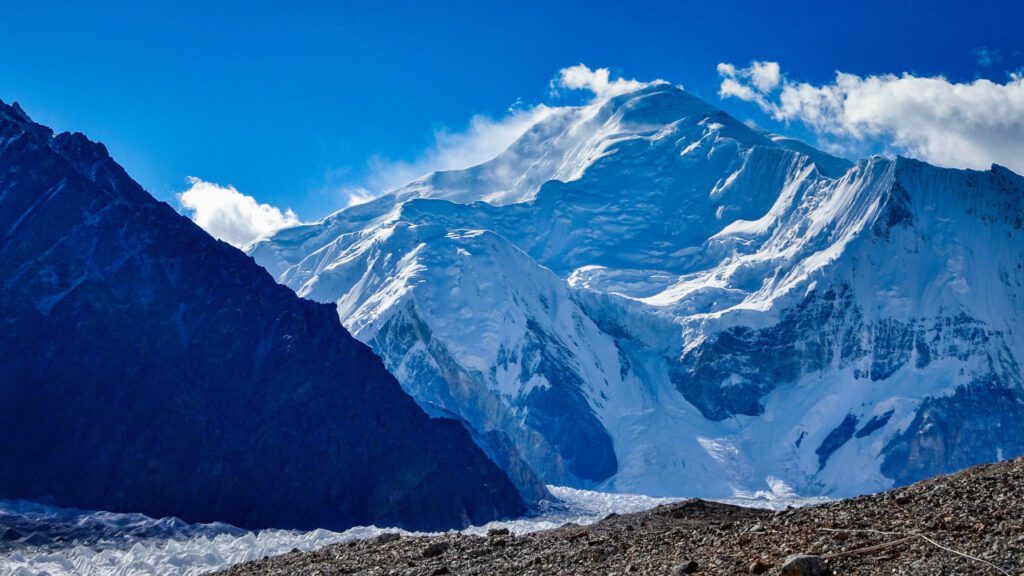
Like Musherbrum Base Camp Trek this trek also starts from Hushe Valley and Traverse from Siacho toward K6 and K7 base camps. It also untapped regions in the Karakorum Mountains and amazing trekking in Pakistan. The dramatic twin peaks K6 Base Camp and K7 Base Camp rise above the Charakusa Valley. Trekking here means isolation, alpine wilderness, and extraordinary mountain scenery rarely crowded by tourists. The trail from from Siacho camping site leads with awe-inspiring views and crossing moraines on the glaciers and lush green meadows.
See this trek itinerary here with detail information.
K6–K7 Base Camp Trek (Charakusa Valley)
Route: Saicho – Spangser – K6/K7 Base Camp – Return
Overview
The K6–K7 Base Camp Trek takes you deep into the wild Charakusa Valley, one of the most dramatic and least-traveled regions of the Karakoram. Starting from the village of Hushe, this trek blends raw mountain adventure with authentic Balti culture. Along the way, you’ll pass remote summer pastures, shepherd huts, and glacier-fed valleys, experiencing life far from the modern world.
The trek offers close-up views of legendary peaks including K6 (7,281m), K7 (6,934m), Link Sar (7,041m), Drifica, Kapura Peak, Niza Peak, and Namika (6,325m). Towering granite walls, vast glaciers, and untouched landscapes make this journey unforgettable for serious trekkers and mountain lovers.
Designed for adventurous spirits, this trek is as much about inner discovery as it is about physical challenge.
SAICHO TO SPANGSER
Trekking Time: 5–6 hours
After leaving Saicho, the trail heads east into the ablation valley north of the Tsarak Tsa Glacier. The sharp spires of K7 and Link Sar soon dominate the skyline. Along the route, you pass Tikchumik, a small spring with clean drinking water.
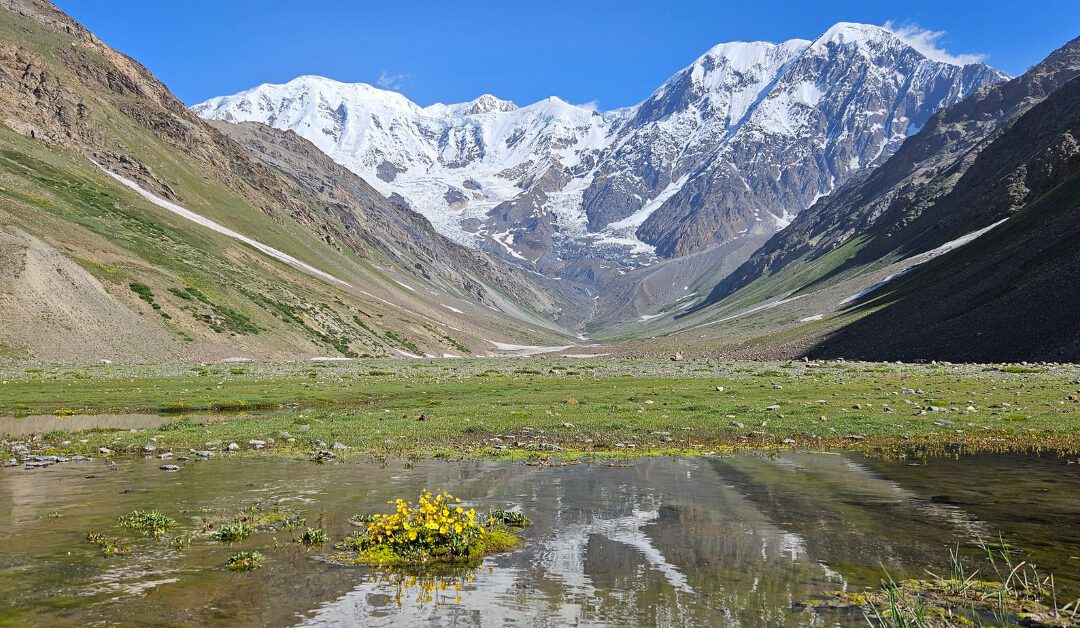
The trail continues along the base of a rocky ridge before crossing the Chogolisa Glacier. On the other side lies Spangser (4,000m), a lush summer pasture filled with wildflowers and surrounded by massive granite slabs. Across the glacier, Namika Peak rises dramatically. Spangser is the highest grazing area in the valley, used only during peak summer months.
Trek to K6 & K7 Base Camp
Altitude: 4,600 meters
An early start is essential for this demanding day. The route follows a rough ablation valley north of the Tsarak Tsa Glacier, with uneven terrain and slippery rocks. The pace is slow and steady, with frequent breaks for rest, water, and food.
As you gain height, the views become more dramatic—glaciers, icefalls, and towering peaks surround you. The final section is physically challenging due to altitude, but patience and proper acclimatization make the ascent manageable.
Upon reaching base camp, tents are set up in a stunning high-altitude setting beneath K6 and K7. The rest of the day is spent resting, hydrating, and enjoying a warm meal while soaking in the silence of the Karakoram.
EXPLORATION & RETURN TO SAICHO
Camp: Saicho (3,350m)
On the return journey, the trek becomes easier as trails descend and merge. Stone huts built by herders appear along the way, signs of seasonal settlement in this remote valley. The lower altitude brings more oxygen, scattered trees, and flowing glacier streams.
Camp is set up again at Saicho, a sandy area with patches of grass beside clear meltwater streams. It’s a relaxing spot to unwind, reflect on the journey, and enjoy the final night surrounded by mountains.
Trekking and Camping in the Hindu Kush
The Hindu Kush region offers quieter but equally impressive trekking opportunities. It is located in North West of Pakistan with the highest Mountain Terichmir 7,708 meters in Chitral. An easy 4 days trek leads to its base camp from Chitral. You have clear view of Terichmir from the main Chitral City.
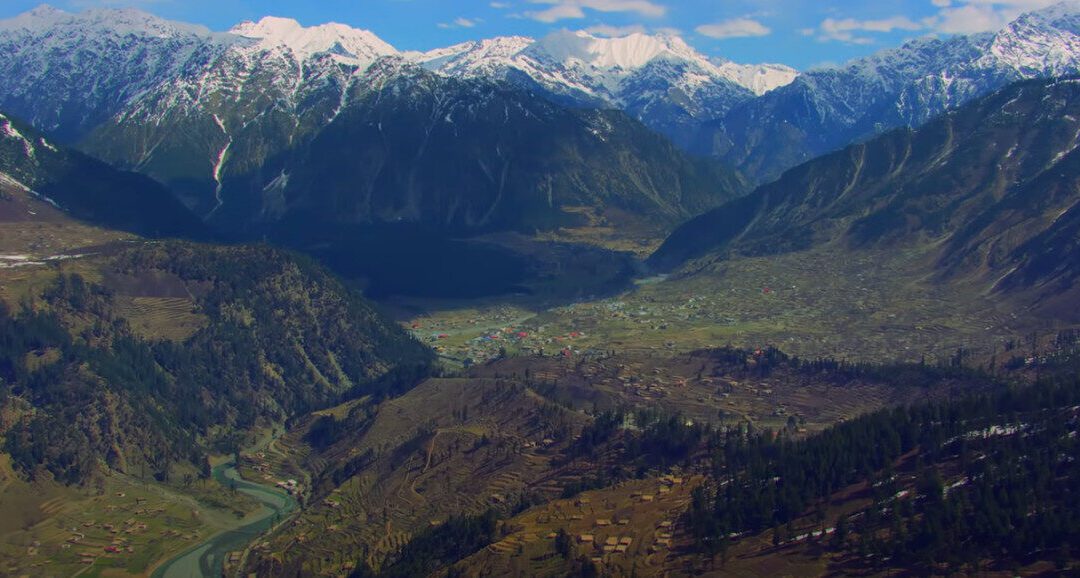
Apart from Chitral Ghizer Valley (The Land Of Lakes) in Gilgit-Baltistan covers most of the Hindu Kush Range along with beautiful mountains and several amazing trekking in Pakistan. There are more than 30 circle trekking routes crossing easy passes as well some challenging ones like Darkot Pass 4,500m between Yasin and Broghil, Amin Pass 5,400m in between Ishkoman and Broghil Valley.
Yasin Valley
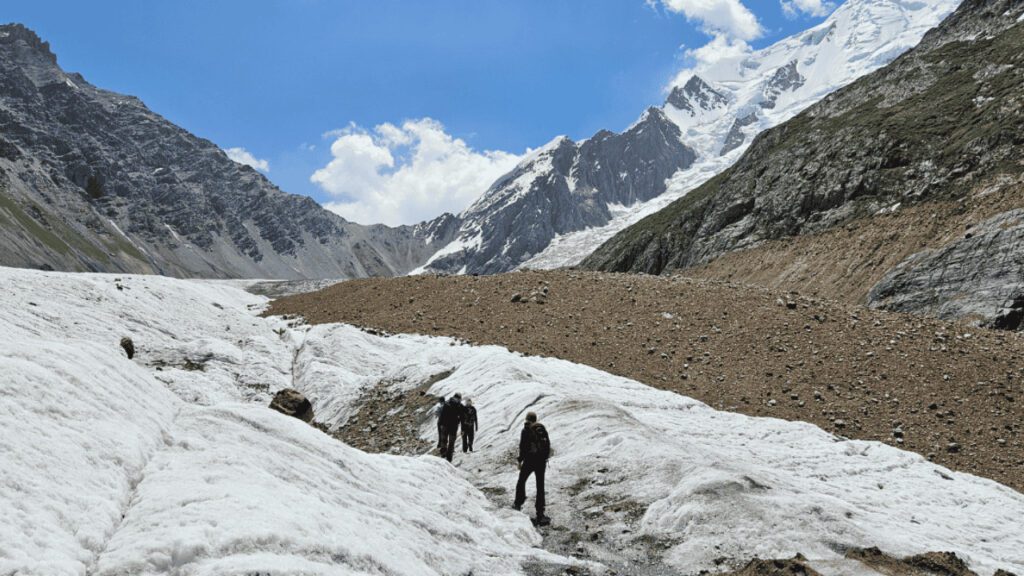
Yasin Valley is known for welcoming communities and dramatic landscapes. Trekkers explore high passes and alpine pastures while experiencing traditional mountain life. Yasin Valley is hub of many of the amazing trekking in Pakistan. There treks from a day hike to a month long trek. Trips Nomad Adventure is an expert approved tour organizer of the region. The famous trekking routes are the Darkot Pass, Thui Pass, Panji Pass, Attar Pass, Assumbar Pass, apart from these Ghamubar Pass, Amin Pass, Darmandir and Polish Pass recently explored are the most beautiful trekking destinations in Ghizer Valley.
Phander Valley Amazing Trekking in Pakistan
Phander Valley is famous for its emerald lakes and riverside camping. It is perfect for relaxed hiking and scenic photography. The crystal clear water with the unique trout fish is the top attractions of the Phander Valley. There are some amazing trekking in Pakistan from Phander Valley like Dadrilli Pass trek to Kalam and Swat Valley Nazbar Pass 4,900m and Zagar Pass 5,008m and Chumarkhand Pass 4200m are accessible from the Phander Valley. Zagar and Chumarkhand Pass lead Mastuj Upper Chitral and Nazbar to Yasin Valley.
All these treks are rarely visited by trekkers, I organized some trips to these in the past looking forward promote in future. You can combine these short treks to any other trek mentioned above from the Yasin Valley and below Ishkoman Valley.
Ishkoman Valley
Ishkoman Valley remains one of the least explored valleys in northern Pakistan. It offers remote trekking routes and peaceful camping grounds surrounded by high peaks. As we mentioned there several treks in Ishkoman Valley with Yasin Valley and the famous Natar and Pakhora Pass Trek is the most interesting one fro Ishkoman. One of the charismatic trek in the amazing trekking in Pakistan Korumbar and Wakhan Corridor (unfortunately closed for foreign trekkers for last few year) is leading from there. Amin Pass 5,400 meters one of the challenging trek leads Broghil Valley as well on Chiantir Glacier and vial Zindikharam Pass to Darkot.
Attar and Panji Passes between Ishkoman and Yasin Valley the top trekking destinations in the Ghizer Valley. For your information the porters from Ishkoman side are not friendly and cooperative who demand beyond your reach rate. It is the best to start from Darkot Valley and descend to Ishkoman Valley to avoid negotiations wasting time.
Exploring the Pamir Connection T hrough Shimshal Valley
Northern Pakistan also connects toward the highlands of the Pamir. Shimshal is one the remotest villages in northern Pakistan but surisingly the inhabitants are 100% educated. Above all, this is called the valley mountaineers because many of Pakistan famous climbers like Samina Baig (The First Pakistan woman to summit Mount Everest) and many others are from there. Most of the climbers in Pakistan are supported by mountaineers from shimshal on the above 8000 m mountains in Pakistan.
Shimshal Valley the Land of Mountaineers
Shimshal Valley is one of the most remote settlements in the region. Often considered a gateway toward the Pamir highlands, Shimshal provides access to high-altitude plateaus, historic trade routes, and alpine pastures above 4,000 meters.
Camping in Shimshal offers vast open landscapes, traditional Wakhi culture, and a sense of true wilderness that defines amazing trekking in Pakistan. Some of the famous trekking destinations Chipchingol Pass, Pamir Pass, Shimshal Pass and Lukpe La trek lead from Shimshal Valley.
Best Hiking Destinations in Pakistan
Hiking in Pakistan is suitable for all levels.
Margalla Hills provides well-maintained trails near the capital city and is ideal for beginners.
Hunza Valley offers scenic village walks, glacier viewpoints, and short meadow hikes combining culture and nature.
These locations are perfect for travelers seeking lighter adventure without committing to multi-day expeditions.
Most Beautiful Camping Sites in Pakistan
Camping is an essential part of the adventure experience. Northern Pakistan is the best to go for camping activities in the natural environment.
Deosai National Park is one of the highest plateaus in the world and offers vast open plains ideal for stargazing.
Rama Meadows provides peaceful forest camping with snow-covered mountain views. Here you can see the killer mountain Nanga Parbat 8,126 m in the Himalayas of Pakistan.
These destinations represent some of the most scenic camping sites in Pakistan along with amazing trekking in Pakistan.
Best Time for Trekking, Hiking and Camping
The best time for trekking in Pakistan is from June to October. July and September often provide stable weather and clear skies. Snowfall restricts most high-altitude routes during winter months. Some short hiking destinations are also possible from last week of April in northern Pakistan. Like Fairy Meadows, Rakhaposhi Base Camp, Hopper Glacier, Nanga Parbat South Face Rupa Valley and many more. Hiking to Naltar Lake is also possible in April and October.
Permits and Travel Insurance
Certain trekking regions require permits, especially near international borders. High-altitude travel insurance covering emergency evacuation is strongly recommended. Hiring experienced local guides improves safety and simplifies logistics. You will enjoy amazing trekking in Pakistan following the instructions and proper planning.
What to Pack for High-Altitude Adventures
Essential items include waterproof trekking boots, layered clothing, a warm sleeping bag, trekking poles, sunscreen, and a personal first aid kit. Proper preparation ensures comfort and safety in rapidly changing mountain conditions.
Final Thoughts of Amazing Trekking in Pakistan
Amazing Trekking in Pakistan, hiking, and camping sites in Pakistan offer a rare combination of dramatic scenery, cultural richness, and authentic wilderness. From the Himalayan slopes of Nanga Parbat to the granite towers of the Karakoram, the quiet valleys of the Hindu Kush, and the highland plateaus linking toward the Pamir, Pakistan stands as one of the world’s greatest adventure destinations.
For travelers seeking meaningful exploration in 2026, Pakistan remains wild, welcoming, and unforgettable. For more information to Planning a trip to Pakistan read this post. Comment below on amazing trekking in Pakistan for more such destinations.
Frequently Asked Questions (FAQs)
Planning your first trekking adventure in Pakistan? These frequently asked questions cover safety, permits, costs, seasons, and expert tips to help you prepare confidently.
Is amazing trekking in Pakistan safe for foreign tourists?
Yes, amazing trekking in Pakistan is generally safe for foreign tourists, especially in popular trekking regions like Hunza Valley, Skardu, and Ghizer Valley. Northern Pakistan is welcoming and heavily dependent on tourism. Most trekking routes are peaceful, and local communities are hospitable. However, it is always recommended to travel with a licensed local guide, register with local authorities when required, and stay updated with weather conditions before starting your trek.
What is the best time for trekking in Pakistan?
The best time for trekking in Pakistan is from May to October.
• May–June: Ideal for mid-altitude treks with blooming valleys
• July–August: Best for high-altitude treks like K2 Base Camp
• September–October: Clear skies, autumn colors, and stable weather
Winter trekking is possible in lower valleys but high passes remain closed due to heavy snowfall.
Do I need permits for trekking in northern Pakistan?
Yes, permits are required for certain restricted and border areas in northern Pakistan. Treks near Afghanistan, China, and India borders may require a No Objection Certificate (NOC). Popular routes in Hunza Valley and Fairy Meadows usually do not require special permits, but it’s always best to confirm with a registered tour operator.
Which are the best hiking trails in Pakistan for beginners?
Some of the best beginner-friendly hiking trails include:
• Eagle’s Nest Viewpoint in Hunza Valley
• Fairy Meadows trail near Nanga Parbat
• Margalla Hills Trail 3 in Islamabad
• Rakaposhi View Point short hikes
These trails offer stunning views without extreme altitude challenges.
What are the most beautiful camping sites in Pakistan?
Pakistan offers incredible camping locations, including:
• Deosai National Park
• Fairy Meadows
• Rama Meadows
• Phander Valley
• Shimshal Valley
These destinations offer alpine lakes, glaciers, and star-filled skies.
How difficult is the Nanga Parbat Base Camp trek?
The trek to Nanga Parbat Base Camp is considered moderate to challenging. It involves glacier crossings and altitude gain. Good physical fitness is required, but it is achievable for determined trekkers with proper acclimatization.
Is travel insurance required for high altitude trekking in Pakistan?
Travel insurance is highly recommended for high-altitude and amazing trekking in Pakistan. It should cover emergency evacuation, altitude sickness treatment, and trip cancellation. Helicopter rescue in remote mountain areas can be expensive without proper coverage.
Can families go camping in Deosai National Park?
Yes, families can camp in Deosai National Park during summer (June–September). The terrain is vast and open, making it suitable for family camping. However, nights are cold, and proper gear is essential.
What is the difference between Karakoram and Himalaya trekking routes?
The Karakoram features rugged terrain, massive glaciers, and extreme peaks like K2. Treks here are more remote and challenging.
The Himalayas offer greener valleys, cultural villages, and relatively moderate trekking routes. Both ranges provide unique experiences, but Karakoram treks are generally more technical.
Are guides mandatory for trekking in Pakistan?
Guides are mandatory for restricted zones and major expeditions like K2 Base Camp. For easier hikes, guides are not always legally required but strongly recommended for safety, navigation, and cultural insights.
How much does trekking in Pakistan cost?
Trekking costs vary depending on duration and difficulty: It normally depends on number persons, days and service the visitors seek here a rough idea:
• Short guided hikes: $100–$300
• Multi-day valley treks: $500–$1,500
• K2 Base Camp expedition: $2,500–$5,000
Costs typically include guide, porters, camping gear, and permits.
Which valley is best for cultural trekking experiences?
Hunza Valley is considered the best for cultural trekking due to its unique traditions, historic forts, and welcoming communities. Yasin Valley and Shimshal Valley also offer authentic mountain village experiences.
What should I pack for trekking in northern Pakistan?
Essential packing items include:
• Waterproof hiking boots
• Layered clothing (thermal + fleece + down jacket)
• Sleeping bag (rated for cold temperatures)
• Trekking poles
• Sunscreen and sunglasses
• First-aid kit
• Power bank and headlamp
Weather in the mountains changes quickly, so preparation is key.
Is Shimshal Valley part of the Pamir Range connection?
Yes, Shimshal Valley lies close to the Pamir Knot region and connects geographically to the greater Pamir Mountains system. It is considered one of the highest settlements in Pakistan and offers remote high-altitude trekking routes.
Can beginners try hiking in Hunza Valley?
Yes, beginners can safely try hiking in Hunza Valley. The valley offers short scenic hikes, cultural walks, and moderate altitude trails suitable for first-time trekkers. Hiring a local guide enhances safety and experience.

0 Comments