Every year more families and trekkers head north to Hunza, Skardu, Fairy Meadows, Deosai and the Chitral valleys. The scenery gets all the attention, but anyone who has driven the Karakoram Highway knows that a trip north also means a long line of police and army check posts, hotel registrations and, for some routes, formal permits. Getting your documents right before you leave home is the easiest way to avoid delays, awkward conversations and, in the worst case, being turned back.
Here is a simple, practical Travel Documents for Northern Pakistan for both trekking groups and family holidays in Gilgit-Baltistan and the north of Pakistan.
Table of Contents
For every Pakistani traveller
- Original CNIC: carry the card itself. Phone photos are not always
accepted at checkposts, and an expired card can cause real problems. - Photocopies: keep two or three copies of each adult’s CNIC in a
separate bag, plus a scanned copy in your email or cloud storage. - Passport-size photographs: four to six per person are useful for
permits, SIM registration or hotel paperwork. - Vehicle papers: if you are driving your own car, keep the
registration book, a copy of your driving licence and the token tax
receipt. If you are using a rented car, ask the company for an
authority letter.
For families with children
Families make up a large share of summer travelers on the KKH, and check post staff sometimes ask about children in the group.
- Bring the B-Form (Child Registration Certificate) for children under
18, or at least a copy. - If a child is travelling with relatives rather than parents, carry a
simple consent letter signed by a parent along with a copy of the
parent’s CNIC. - Keep a list of every family member’s name and CNIC or B-Form number
in one place; it makes hotel check-in and checkposts much faster.
For overseas Pakistanis
If you are visiting from the UK, the Gulf, Europe or North America and planning a trip north, carry your NICOP or POC (Pakistan Origin Card). If you entered Pakistan on a foreign passport with a visa, keep that passport, the visa page and your entry stamp with you, and photocopies of each. Make sure your passport will still be valid for at least six months when you fly back.
For foreign trekkers and tourists
Foreign visitors need a valid Pakistani visa before travelling, and for most nationalities this is now an online tourist e-visa applied for through the official Pakistan Online Visa System. Apply early and make sure the visa type fits your plans. Beyond that:
- Keep your passport and several copies of the visa page on you at all
times; you will be asked for details at checkposts and hotels. - Some treks in Gilgit-Baltistan, especially routes near the borders
such as parts of the Baltoro and Hushe areas towards K2 and Gondogoro
La, are in restricted zones. These need a trekking permit arranged by
a government-licensed tour operator, and sometimes a liaison officer. - Mountaineering expeditions on major peaks need a separate expedition
permit and much longer lead times. - Rules for foreigners can change from season to season, so confirm
the current requirements with your operator before booking flights.
For trekkers: route-specific papers
Even for Pakistani trekkers, longer treks benefit from a little extra paperwork:
- A printed copy of your itinerary, with the names of guides and
porters and your operator’s contact details. - National park entry receipts where applicable, for example for
Deosai or Khunjerab. - Travel or trekking insurance covering high altitude and, ideally,
helicopter evacuation for treks above 4,000 metres. - A short medical note if you take regular medication, plus copies of
prescriptions.
Money and connectivity
Not strictly documents, but just as important:
- ATMs are available in Gilgit, Hunza (Aliabad/Karimabad) and Skardu,
but can run out of cash in peak season. Carry enough cash for remote
valleys. - Mobile coverage is patchy beyond the main towns; SCOM and some
national networks work best in Gilgit-Baltistan. Save important
documents offline on your phone.
Planning a trip abroad after the north?
Many travelers who complete a trek in the Karakoram start planning their next adventure abroad: Nepal, Central Asia, Turkey or Europe. If that is you, check your passport’s expiry date now, while you are already sorting out documents. For visit visa files, document checklists and appointment guidance for international trips,
EasyVisa.pk. Every year more families and trekkers head north to Hunza, Skardu,
Fairy Meadows, Deosai and the Chitral valleys. The scenery gets all the attention, but anyone who has driven the Karakoram Highway knows that a trip north also means a long line of police and army checkposts, hotel registrations and, for some routes, formal permits. Getting your documents right before you leave home is the easiest way to avoid delays, awkward conversations and, in the worst case, being turned back.
Here is a simple, practical checklist for both trekking groups and
family holidays in Gilgit-Baltistan and the north of Pakistan.
For every Pakistani traveler
- Original CNIC: carry the card itself. Phone photos are not always
accepted at checkposts, and an expired card can cause real problems. - Photocopies: keep two or three copies of each adult’s CNIC in a
separate bag, plus a scanned copy in your email or cloud storage. - Passport-size photographs: four to six per person are useful for
permits, SIM registration or hotel paperwork. - Vehicle papers: if you are driving your own car, keep the
registration book, a copy of your driving licence and the token tax
receipt. If you are using a rented car, ask the company for an
authority letter.
For families with children
Families make up a large share of summer travelers on the KKH, and check post staff sometimes ask about children in the group.
- Bring the B-Form (Child Registration Certificate) for children under
18, or at least a copy. - If a child is travelling with relatives rather than parents, carry a
simple consent letter signed by a parent along with a copy of the
parent’s CNIC. - Keep a list of every family member’s name and CNIC or B-Form number
in one place; it makes hotel check-in and checkposts much faster.
For overseas Pakistanis
If you are visiting from the UK, the Gulf, Europe or North America and planning a trip north, carry your NICOP or POC (Pakistan Origin Card). If you entered Pakistan on a foreign passport with a visa, keep that passport, the visa page and your entry stamp with you, and photocopies of each. Make sure your passport will still be valid for at least six months when you fly back.
For foreign trekkers and tourists
Foreign visitors need a valid Pakistani visa before travelling, and for most nationalities this is now an online tourist e-visa applied for through the official Pakistan Online Visa System. Apply early and make sure the visa type fits your plans. Beyond that:
- Keep your passport and several copies of the visa page on you at all
times; you will be asked for details at checkposts and hotels. - Some treks in Gilgit-Baltistan, especially routes near the borders
such as parts of the Baltoro and Hushe areas towards K2 and Gondogoro
La, are in restricted zones. These need a trekking permit arranged by
a government-licensed tour operator, and sometimes a liaison officer. - Mountaineering expeditions on major peaks need a separate expedition
permit and much longer lead times. - Rules for foreigners can change from season to season, so confirm
the current requirements with your operator before booking flights.
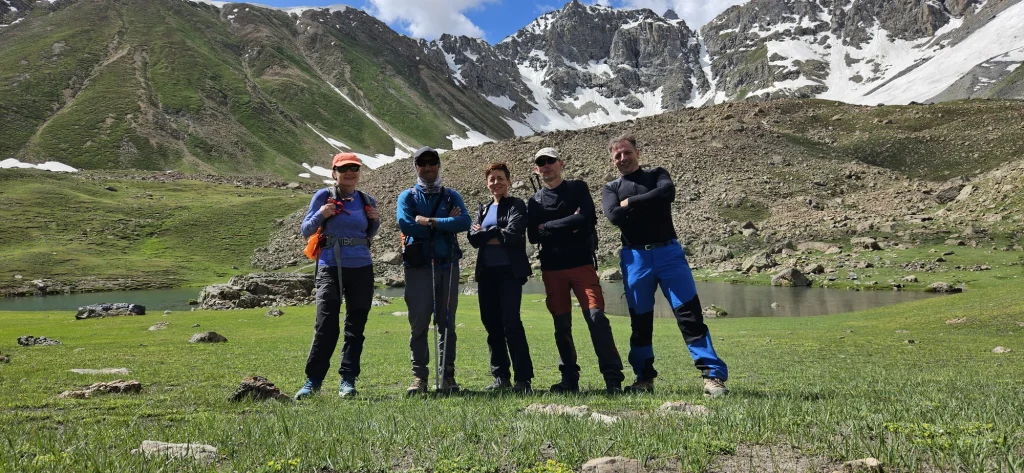
For trekkers: route-specific papers
Even for Pakistani trekkers, longer treks benefit from a little extra paperwork:
- A printed copy of your itinerary, with the names of guides and
porters and your operator’s contact details. - National park entry receipts where applicable, for example for
Deosai or Khunjerab. - Travel or trekking insurance covering high altitude and, ideally,
helicopter evacuation for treks above 4,000 metres. - A short medical note if you take regular medication, plus copies of
prescriptions.
Planning a trip abroad after the north?
Many travelers who complete a trek in the Karakoram start planning their next adventure abroad: Nepal, Central Asia, Turkey or Europe. If that is you, check your passport’s expiry date now, while you are already sorting out documents. For visit visa files, document checklists and appointment guidance for international trips, EasyVisa.pk is a helpful starting point for
Pakistani travelers. Why travelling with a licensed operator helps. A licensed local operator knows the current check post rules, applies for permits in advance, registers foreign guests with the relevant authorities and briefs the group on what to carry. For families it means fewer surprises; for trekkers it means the permit is ready before you reach the trailhead.
Your quick checklist
- Original CNIC (adults), B-Form (children), or passport plus
Pakistani visa, NICOP or POC - Two or three photocopies of every ID, plus scanned copies online
- Four to six passport-size photos per person
- Vehicle registration, driving licence and token tax receipt (or
rental authority letter) - Trekking or expedition permits for restricted routes (through your operator)
- Printed itinerary with operator and hotel contacts
- Insurance for high-altitude trekking
- Copies of prescriptions, a basic first-aid kit and enough cash for
remote valleys
Sort these out a week before departure and the north of Pakistan will
feel as easy as it is beautiful. Have a safe and memorable trip. Easy Visa is a helpful starting point for
Pakistani travelers.
Why travelling with a licensed operator helps
A licensed local operator knows the current check post rules, applies for permits in advance, registers foreign guests with the relevant authorities and briefs the group on what to carry. For families it means fewer surprises; for trekkers it means the permit is ready before you reach the trailhead.
Your quick checklist of Travel Documents for Northern Pakistan
- Original CNIC (adults), B-Form (children), or passport plus
Pakistani visa, NICOP or POC - Two or three photocopies of every ID, plus scanned copies online
- Four to six passport-size photos per person
- Vehicle registration, driving licence and token tax receipt (or
rental authority letter) - Trekking or expedition permits for restricted routes (through your operator)
- Printed itinerary with operator and hotel contacts
- Insurance for high-altitude trekking
- Copies of prescriptions, a basic first-aid kit and enough cash for
remote valleys
Sort these out a week before departure and the north of Pakistan will feel as easy as it is beautiful. Have a safe and memorable trip.
Frequently Asked Questions (FAQs)
What travel documents are required for Northern Pakistan?
Pakistani travellers should carry their original CNIC, while children should have their B-Form. Overseas Pakistanis may need their NICOP or POC, and foreign visitors should carry a valid passport, Pakistani visa and relevant permit documents where required.
Do foreign tourists need permits for trekking in Northern Pakistan?
Yes, some trekking routes in Gilgit-Baltistan, particularly restricted areas near the borders, require special trekking permits arranged through a government-licensed tour operator. Some routes may also require a liaison officer.
What documents should families carry when travelling to Northern Pakistan?
Families should carry original CNICs for adults, B-Forms or Child Registration Certificates for children, photocopies of identification documents, and a parental consent letter if a child is travelling with relatives rather than parents.
Do I need travel insurance for trekking in Northern Pakistan?
Travel or trekking insurance is strongly recommended, particularly for high-altitude treks above 4,000 metres. Ideally, your insurance should cover high-altitude trekking and emergency helicopter evacuation.
How can I avoid delays at checkposts when travelling to Northern Pakistan?
Keep your original identification documents, photocopies, passport-size photographs, vehicle papers and travel itinerary readily available. Foreign travellers should also keep their passport and visa copies accessible. Checking permit requirements with your tour operator before departure can help avoid unnecessary delays.
Planning Your Adventure in Northern Pakistan?
From the valleys of Hunza and Ghizer to the remote trekking trails of the Karakoram, Hindukush and Himalayas, Trips Nomad Adventure helps travellers explore Northern Pakistan with experienced local guides and practical travel support.
Whether you are planning a family holiday, a cultural journey or a high-altitude trek, we can help you prepare for a safe, memorable and rewarding adventure.
Explore our tours and treks: Trips Nomad Adventure
Contact us to plan your trip to Northern Pakistan