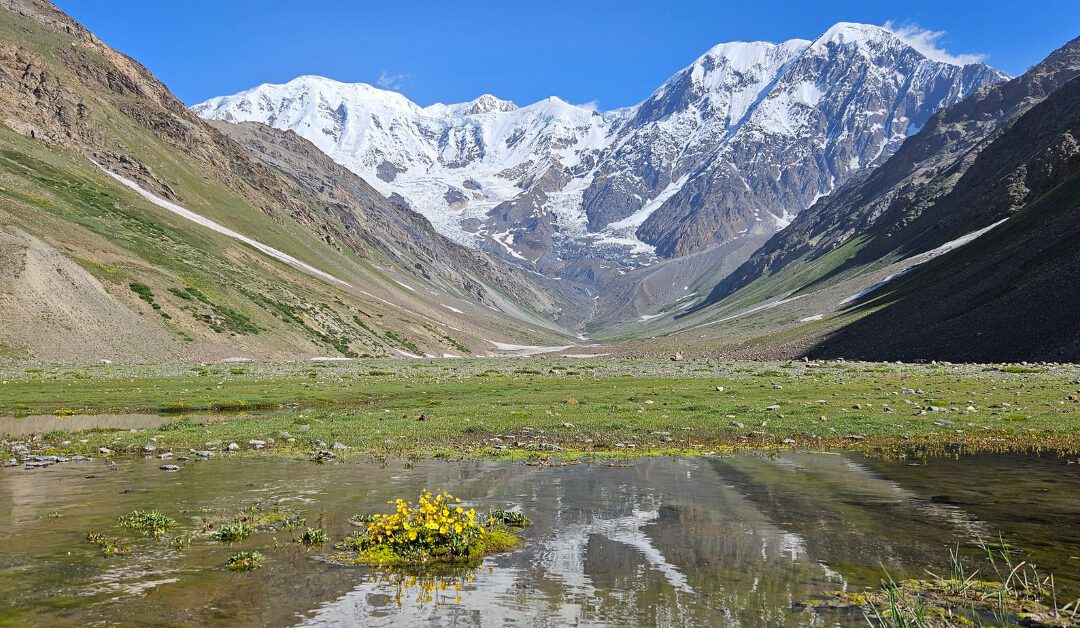
Hindukush trekking Guide offers one of the most untouched mountain adventures in the world…. While many travelers head to the Himalayas or Karakoram, the Hindukush quietly offers remote valleys, dramatic high passes, rich mountain culture, and peaceful trails far from crowds. Read about Hindukush Trekking Guide in this post find your favorite destination and book with Trips Nomad Adventure.
If you are looking for an authentic adventure, where nature feels raw and local hospitality is still genuine, Hindukush trekking is for you. This guide covers routes, difficulty levels, costs, safety tips, culture, and how to book responsibly.
Why Hindukush Trekking Guide?
The Hindukush stretches across northern Pakistan, mainly in Chitral, Yarkhun, Boroghil, and Ghizar regions. What makes it special:
- Fewer trekkers compared to Karakoram
- Stunning high passes and alpine valleys
- Strong cultural identity and hospitality
- Ideal for explorers, photographers, and serious trekkers
This region rewards patience and respect, it’s not about luxury, but about real adventure.
Key Hindukush Trekking Routes
1. Tirich Mir Base Camp Trek
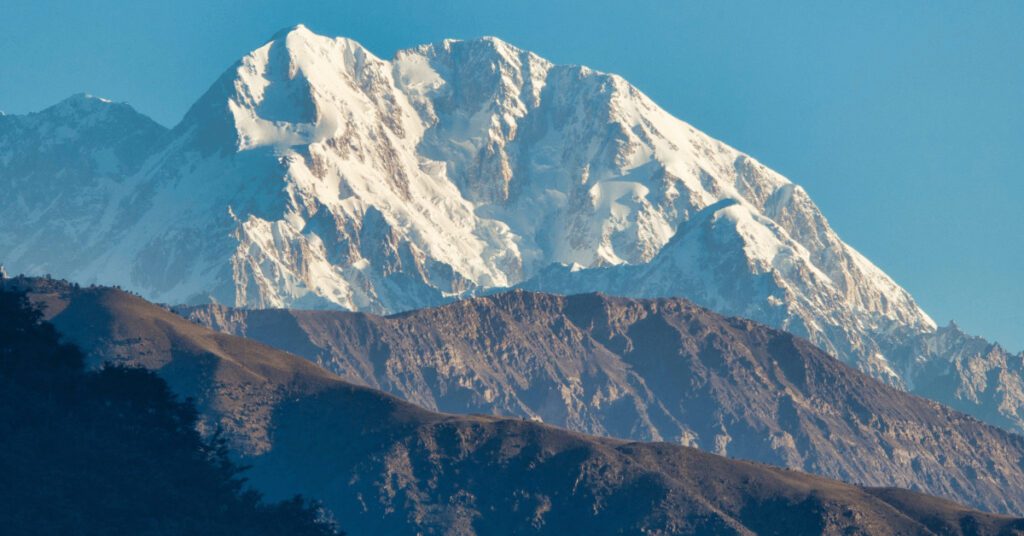
One of the most iconic Hindukush treks, leading to the base of Tirich Mir (7,708 m), the highest peak in the range. The route passes villages, glaciers, and dramatic mountain scenery. This treks takes you through historical Chitral Valley, the unique culture of Kalash and many more.
Best for: Moderate trekkers
Duration: 8–12 days
2. Yarkhun Valley Trek
A scenic valley trek with rivers, open landscapes, and traditional villages. Perfect for trekkers who want culture mixed with nature.
Best for: Beginners to moderate trekkers
Duration: 7–10 days
3. Assumbar Pass Trek
A serious high-altitude crossing connecting remote valleys. Long days, steep climbs, and very limited facilities make this a true adventure trek.
Best for: Experienced trekkers
Duration: 12–16 days
4. Attar Pass Trek
Known for its isolation and rugged beauty. This trek includes beautiful lakes, lush green meadows, waterfalls. The tiny peaks in Attar Valley are the top attractions for climbers. The most interesting part of Attar Pass Trek is meeting the local communities along the trek. You will enjoy the hospitality and the living standard of the people in the summer houses.
Best for: Beginners
Duration: 14–18 days
5. Darmandir Pass Trek
An easy route offering wide panoramic views. Weather can change fast, and route finding is crucial. This trek is full of fun and beauty the camp sites, waterfalls, lakes, streams and rivers. This trek starts from a remote village Darmandir a remote place nearby Gahkuch passing Polish Pass (4,500m) to Makuli a beautiful tourist attractions in Yasin Valley.
Best for: Beginners trekkers
Duration: 12–15 days
6. Polish Pass Trek
A classic Hindukush pass used historically by locals and traders. Remote and rarely trekked today. Like the Attar Pass Polish Pass trek has also natural beauty. It is like Ghamubar Pass between Darkot and Thui Valleys in the remote Yasin Valley. The people of Yasin has a long live culture of hospitality still there is live. You may enjoy on the trip. Visiting to the historical Darkot Village gives an amazing experience to meet the locals and their culture and traditions which unlike anywhere else the north of Pakistan.
Best for: Normal trekkers with guide support
Duration: 13–17 days
7. Lashkargaz Trek in the Broghil Valley
This trek is in the north of Chitral in the Broghil Valley a charismatic trek that leads to one of the alpine lakes Korumbar Lake. Lashkargaz is the last permanent village of the Broghil Valley. The wakhi people stay here their life is too simple in this remote village. The source of their economy is mostly depends on animals goats, sheep, yaks and cows.
Best for: Easy trekkers
Duration: 7–9 days
8. Naltar-Pakhora Trek
A crossover trek linking Hindukush and Karakoram landscapes, with lakes, forests, and glaciers. This trek begins from Naltar an alpine village nearby Gilgit city and ends in Pakhora Village of Ishkoman in the Ghizer Valley. Naltar Pass at the altitude 4,700 m is most beautiful trek in the north of Pakistan. It connects several passes in Hindukush Trekking areas.
Best for: Moderate to experienced trekkers
Duration: 8–11 days
9. Ghambar Valley Trek
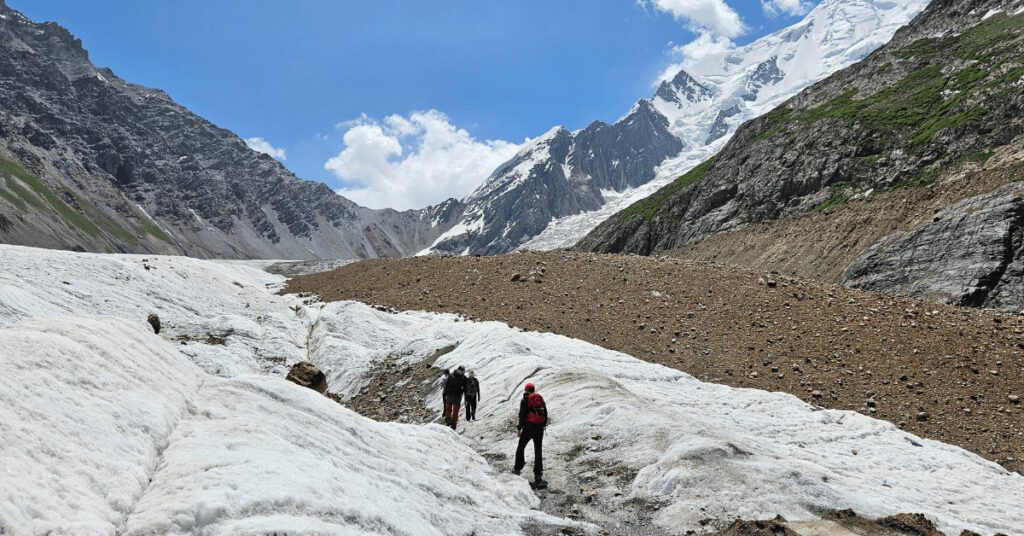
A greener, gentler valley trek with cultural immersion between Darkot and Thui Valleys of Yasin in the Ghizer District. This trek takes 3-4 days along the beautiful Ghamubar pastures, Gohichi Kutu Daspar the beautiful camping sites one of the most beautiful camp under the shade of Thui-1 (6,666m).
Best for: Beginners and photographers
Duration: 6–8 days
10. Thui Pass & Boroghil Region
This is an interesting trek in Hindukush Trekking a two weeks passing through beautiful summer pastures in the Mushi Bar. It is between Thui Yasin and Yarkhun Valley in the north of Chitral. Thui Pass is at the altitude of 4,499m easily accessible from both Gilgit and Chitral. The trek is full of fun passing through summer pastures enjoying the hospitality of the mountain communities.
Best for: Moderate-level trekkers
Duration: 15–20 days
Difficulty Levels Explained
Easy to Moderate
Ghambar Valley, parts of Yarkhun, Lashkargaz
Good trails, lower altitude, shorter days.
Moderate to Challenging
Tirich Mir Base Camp, Naltar–Pakhora
Long walking days, higher altitude, mixed terrain.
Difficult / Expedition-Level
Assumbar, Attar, Darmandir, Polish, Thui Pass
High passes, snow, glaciers, navigation challenges.
Fitness & Experience Required
Hindukush trekking is physically demanding, especially on high passes.
You should be able to:
- Walk 5–8 hours per day
- Carry a light daypack
- Handle uneven terrain
- Stay comfortable in basic camping conditions
For high passes, normal trekking experience is strongly recommended.
Cost of Hindukush Trekking
Costs depend on remoteness, group size, and duration.
Typical expenses include:
- Transport (jeep & local vehicles)
- Local guides & porters
- Camping equipment & food
- Logistics and safety planning
Estimated range:
- Valley treks: lower cost
- High passes & remote routes: higher cost due to logistics
Always choose licensed local operators for safety.
Packing List for Hindukush Treks
Essential Items
- Strong trekking boots
- Warm layers & down jacket
- Waterproof jacket
- Sleeping bag (-10°C recommended)
- Backpack & headlamp
Helpful Extras
- Trekking poles
- Power bank or solar charger
- Personal first-aid kit
- Sunglasses & sunscreen
Safety planning is essential for Hindukush trekking, especially on remote high passes.
- Acclimatize properly
- Respect weather changes
- Always trek with experienced local guides
- Carry communication devices in remote areas
- Get travel and evacuation insurance
The region is safe when trekked responsibly and with local expertise.
Local Culture & Community
The Hindukush is home to Chitrali, Wakhi, and Kalash communities, known for their hospitality.
Respect local customs:
- Dress modestly
- Ask before taking photos
- Support local porters and homestays
Cultural interaction is often the highlight of the journey.
The best time for Hindukush trekking is between June and September
June to September is the best trekking season.
- Snow melts and passes open
- Weather is relatively stable
- Villages are active
Early or late season treks require flexibility.
How to Book a Hindukush Trek with Trips Nomad Adventure
Trips Nomad Adventure specializes in guided Hindukush trekking experiences across northern Pakistan.
Why trek with us:
- Local expert guides
- Remote and high-pass experience
- Custom itineraries
- Ethical and responsible trekking
Contact us via website or WhatsApp to plan your Hindukush adventure.
Travel Insurance for Hindukush Trekking
Because Hindukush trekking involves remote valleys, high passes, and limited medical facilities, having reliable travel insurance is essential. We strongly recommend SafetyWing Travel Insurance for international trekkers visiting Pakistan.
SafetyWing is popular among trekkers and adventure travelers because it covers medical emergencies, trip interruptions, and evacuation, even in remote destinations. It’s easy to purchase online, affordable, and you can buy it before or during your trip.
👉 You can check coverage and get insured here: SafetyWing Travel Insurance.
Having proper insurance allows you to trek with peace of mind, knowing you’re protected if plans change or unexpected situations arise.
Final Thoughts
The Hindukush is not about luxury, it’s about raw landscapes, deep culture, and true exploration.
If you want to experience Pakistan beyond the usual routes, Hindukush trekking offers something rare and unforgettable.
Frequently Asked Questions (FAQs)
Is Hindukush trekking safe for foreigners?
Do I need previous trekking experience for Hindukush treks?
Valley treks like Ghambar or Yarkhun are suitable for fit beginners.
High passes such as Assumbar, Attar, Darmandir, and Polish Pass require previous multi-day trekking experience and good physical fitness.
What is the best time to trek in the Hindukush?
How difficult are Hindukush trekking routes?
Easy to Moderate: Ghambar Valley, Lashkargaz
Moderate to Challenging: Tirich Mir Base Camp, Naltar–Pakhora
Difficult / Expedition-Level: Assumbar Pass, Attar Pass, Darmandir Pass, Polish Pass, Thui Pass
How much does a Hindukush trek cost?
Do I need permits for Hindukush trekking?
What kind of accommodation is available?
What should I pack for Hindukush trekking?
Trekking boots
Warm layered clothing
Down jacket
Sleeping bag (-10°C recommended)
Rain jacket and headlamp
Is altitude sickness a concern in the Hindukush?
Can I do Hindukush trekking solo?
Why book with Trips Nomad Adventure?
Experienced local Hindukush guides
Small groups and custom routes
Strong safety standards
Ethical and community-based trekking
They specialize in remote and high-pass Hinduk